Is Dishwasher Detergent the Same as Dish Soap? What to Know
No, dishwasher detergent is not the same as dish soap, and swapping one for the other can cause real problems. Dish soap creates lots of suds, while dishwasher detergent is made to run almost suds-free inside your machine.
Why does this matter? If you pour regular dish soap into your dishwasher, you could end up with a foamy flood on your kitchen floor. We dug into what the experts say, and they all agree: the two products are built for very different jobs.
- Dishwasher detergent and dish soap are not interchangeable.
- Dish soap makes too many suds for a dishwasher and can cause leaks.
- Using the wrong one can damage your machine or leave residue on dishes.
- Running out of one? There are safe workarounds we will cover below.
- Each product works best in its own place, so knowing the difference saves you mess and money.
Below, we break down exactly how these two products differ, what happens if you mix them up, and what to do if you’re ever in a pinch.
The Real Difference Between Dishwasher Detergent and Dish Soap
The difference comes down to formulation. Dish soap is designed for hand washing, where suds help lift grease off a single plate. Dishwasher detergent is built for a machine that sprays water at high pressure and needs a low-foam formula to work properly.
Think of it this way: dish soap is like a bubbly bath, while dishwasher detergent is more like a quiet, deep soak. They look similar on the store shelf, but they do completely different jobs.
Why Suds Are the Big Deal
Suds are the main reason you should never swap these products. Your dishwasher relies on a spray arm system that pushes water through tiny jets. Foam gets in the way of that spray.
When dish soap meets hot water and a churning pump, it expands fast. We found that many appliance manufacturers warn this foam can push past the door seal and leak onto your kitchen floor. In the worst cases, foam can reach the machine’s motor and sensors.
What Happens Inside Your Machine
Here’s the short version of the mess. The pump whips the soap into a foam avalanche. Water level sensors get confused. The drain can clog with bubbles instead of draining properly.
Many experts say the foam itself is not toxic, but the cleanup is no fun. You may spend an hour mopping and running rinse cycles before things get back to normal.
How Dishwasher Detergent Actually Works
Dishwasher detergent uses enzymes and mild alkaline salts instead of heavy suds. Enzymes break down food stuck on plates, and the hot water washes it all away.
Detergents also skip most of the ingredients that create lather. That’s why your dishwasher can run a full cycle without a single bubble escaping the door.
Quick Comparison: Which Product Goes Where
| Feature | Dish Soap | Dishwasher Detergent |
|---|---|---|
| Best use | Hand washing dishes in the sink | Automatic dishwasher cycles |
| Suds level | High, lots of foam | Low or none |
| Key ingredients | Surfactants made for lathering | Enzymes and mineral salts |
| Rinse needs | You rinse by hand | Machine rinses with hot water |
| Safe in dishwasher? | No | Yes, when used as directed |
Keep this table in mind next time you’re standing in the cleaning aisle. The two products may share a word in their names, but that’s where the similarity ends.
Can You Use Dish Soap in a Dishwasher?
No, and we’d strongly advise against trying it. Even a small squirt of dish soap can fill your machine with foam. One tablespoon can create enough bubbles to leak out the door seal.
We dug into owner forums and appliance guides, and the stories are consistent: suds pouring out the bottom of the dishwasher, slippery floors, and a stressed-out homeowner holding a towel.
What If You Accidentally Used Dish Soap?
Don’t panic. This happens to people every day, and it’s fixable. The key is to stop the cycle and act quickly.
- Cancel the cycle and let the machine sit for a few minutes.
- Open the door slowly, since foam may rush out.
- Scoop out any suds you can reach with a cup or towel.
- Pour a cup of white vinegar into the bottom of the tub. Vinegar helps break down foam.
- Run a rinse-only cycle with no detergent at all.
- Repeat the rinse until no bubbles remain.
Some appliance pros suggest sprinkling table salt on heavy foam, since salt helps pop bubbles. Either way, your goal is the same: clear the suds before running a normal cycle again.
What About Using Dishwasher Detergent by Hand?
This one is less dramatic but still a bad idea. Dishwasher detergent does not lather, so it’s hard to tell when you’ve used enough. Many experts say it can also be harsh on skin, since it’s made with stronger alkaline ingredients than hand soap.
Worse, it may not rinse off dishes well in cool sink water. Residue on your plates is not something you want at dinner. Stick with dish soap at the sink.
Types of Dishwasher Detergent Explained
Not all dishwasher detergents work the same way. Knowing the three main types helps you pick the right one for your machine and your water hardness.
Pods, Powder, and Gel
Pods are pre-measured and foolproof, which makes them the most popular choice. Powder is cheaper and lets you adjust the amount for soft or hard water. Gel dissolves fast but can struggle with baked-on food.
Which One Should You Choose?
If your dishes come out clean every time, stick with what you have. If you see film or leftover food, try switching formats. Hard water areas often do better with powder plus a rinse aid, according to many appliance care guides.
Safety Notes You Should Know
Both products contain chemicals that deserve respect. Dishwasher detergent, in particular, can irritate skin and eyes because of its alkaline pH. The National Institutes of Health warns that swallowing dishwasher detergent can cause burns to the mouth and throat, so keep it stored away from kids and pets.
Never mix dishwasher detergent with bleach, either. The combination can release harmful fumes. If someone in your home swallows detergent, call Poison Control right away.
Emergency Substitutes When You’re Out of Detergent
So your dishwasher is loaded, the cycle is ready, and the detergent box is empty. Before you reach for the dish soap, try one of these safer workarounds we found recommended by appliance experts.
- Borax plus washing soda: A mix of these two makes a basic low-suds detergent.
- Baking soda: Sprinkle a few tablespoons in the detergent cup for a light-duty wash.
- White vinegar in the rinse aid spot: Helps with spots and film, but never as the main detergent.
- Run a short rinse cycle instead: Sometimes a rinse now and a full wash later beats a risky substitute.
- Borrow a pod from a neighbor: Honestly, this is the easiest fix of all.
Quick Checklist Before You Run Your Next Load
- Check that you’re using a product labeled for automatic dishwashers.
- Scrape big food chunks off plates, but skip pre-rinsing.
- Load the spray arms so nothing blocks them.
- Use the right amount, especially with powder or gel.
- Add rinse aid if your glasses come out cloudy.
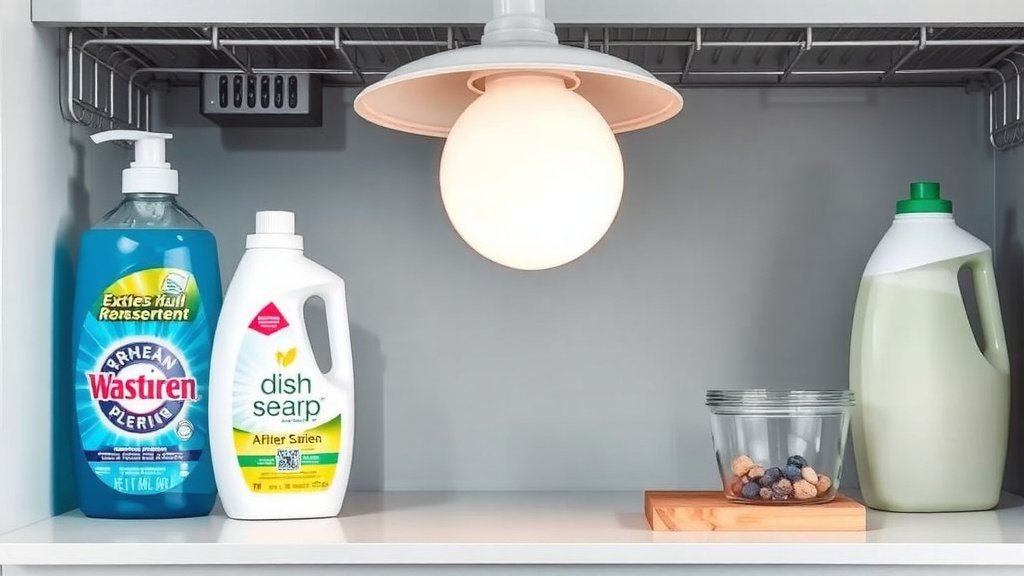
- Keep both soaps stored in separate, labeled spots so nobody mixes them up.
Tips to Keep Your Dishwasher Running Smoothly
A clean machine cleans better. Once a month, wipe the door seals and check the filter at the bottom of the tub. Many manufacturers say a clogged filter is the top cause of poor cleaning results.
Run hot water at the kitchen sink before starting the cycle. This helps the dishwasher fill with hot water from the very first spray. Small habits like these add years to your machine’s life.
And one last tip for the road: keep a backup box of detergent under the sink. Future you will be grateful at 9 p.m. on a Tuesday when the dishwasher is full and the box isn’t empty.
Conclusion
So, is dishwasher detergent the same as dish soap? Absolutely not, and now you know why. Dish soap is built to foam up in your sink, while dishwasher detergent uses low-suds enzymes to clean inside a high-pressure machine. Swap them, and you risk a foamy mess, a leaky door, or residue on your plates. The good news? Accidents are fixable, and safe substitutes like baking soda can get you through a pinch. Your next step is simple: check under your sink today and make sure both products are labeled clearly and stored apart. That one small habit can save you a very soggy evening.
Frequently Asked Questions
Can I put a tiny drop of dish soap in my dishwasher?
We’d still say no. Even a small drop can foam up when whipped by the pump and hot water. If you’re truly out of detergent, baking soda is a much safer light-duty option.
Is dish soap cheaper than dishwasher detergent?
The upfront price can look similar, but the real cost shows up in the aftermath. One dish soap mishap can mean an hour of mopping and multiple rinse cycles. Buying the right product the first time is the cheaper choice.
Can dish soap damage my dishwasher permanently?
Permanent damage is rare, but it’s possible if foam reaches the motor or sensors. Most of the time, you’re dealing with a messy cleanup instead. Still, repeated mistakes aren’t worth the risk to your machine.
Are dishwasher pods safe for septic systems?
Most major pod brands are labeled septic-safe and break down in standard systems. We found it’s worth checking the packaging for a septic-safe label if that applies to your home. Powder detergents also tend to rinse cleanly.
Why doesn’t dishwasher detergent foam at all?
It’s intentional. Foam would cushion the spray jets and block the water pressure your machine needs to clean. Manufacturers leave out lathering ingredients so the spray arms can do their job.