Garbage Disposal Do’s and Don’ts: A Complete Guide
Yes, you can use your garbage disposal for most everyday food scraps, but you must avoid certain items to prevent costly clogs and damage. The core rule is simple: only grind soft food waste, and always run cold water while the disposal is on. We found that following a few basic guidelines keeps your unit running smoothly for years.
Your garbage disposal is a hard-working kitchen tool, but it is not a magic trash can. Fibrous foods, grease, and large bones are common culprits behind jams and foul odors. Many experts say that with the right habits, you can avoid most disposal problems altogether and keep your plumbing clear and fresh.
- Always run cold water before, during, and after grinding — this flushes waste through the pipes.
- Feed food scraps in small batches, not all at once, to prevent overloading the motor.
- Never put grease, oil, or fat down the drain — it hardens and causes blockages.
- Avoid fibrous items like celery, corn husks, and onion skins that can wrap around the blades.
- Skip hard items like bones, coffee grounds, and eggshells that can dull the blades or create sludge.
- Clean your disposal monthly with ice cubes and baking soda to keep it fresh and sharp.
Below, we break down everything you need to know about garbage disposal use guidelines, including what to put in, what to keep out, and how to fix minor issues when they pop up.
Putting the Right Foods in Your Disposal
When you use it correctly, a garbage disposal is a huge help. It handles the mushy leftovers and small scraps that would otherwise stink up your trash can. But what exactly can you toss down there?
We found that thinking of it as a blender with plumbing attached helps. You want to process soft, wet, non-fibrous food waste. That means leftover rice, cooked pasta, soft fruits, and small veggie peels are all fair game.
The Safe List: Soft Scraps Only
Most everyday kitchen waste that comes from prepping a meal is fine. This is the stuff that breaks down easily in water.
- Leftover cooked meats, cut into small chunks
- Soft fruit peels, like banana or melon rinds
- Small amounts of leftover pasta or rice
- Soft vegetables that are already cooked
- Leftover sauces or dressings (scraped, not poured)
You want to feed these in small amounts. We recommend waiting until the motor is running and then dropping them in one or two pieces at a time.
The Rotating Impellers Do the Grinding
Many people think a garbage disposal has blades like a blender. It doesn’t. It uses rotating impellers that throw food against a stationary grind ring. This action shreds the food into tiny pieces.
Because of this design, you must avoid anything too tough or stringy that can’t be thrown against the ring easily. Soft food is perfect for this process. Hard stuff just bounces around or gets stuck.
Always Run Cold Water While Grinding
Water is your disposal’s best friend. It serves two main jobs. First, it helps move the ground-up food through the drain pipe. Second, it keeps the motor cool during operation.
You should use cold water, not hot. Many experts say cold water keeps any fats or oils in the food solid enough to be flushed away. Hot water can melt grease, which then coats the pipes further down and causes clogs later.
How Long Should You Run the Water?
The process is simple: turn on the water first, then flip the disposal switch. Keep the water running for about 15 to 30 seconds after you hear the grinding stop.
That extra time is critical. It flushes the tiny food particles completely out of the trap and into the main sewer line. Skipping this step is one of the most common reasons for sludge buildup and bad smells. Food particles just sit in the pipe and rot.
Feeding the Disposal: Small Batches Work Best
We get it. You just finished dinner, and you want to dump the plates and get back to the couch. Don’t do it. Overloading the disposal is the fastest way to jam the motor or blow a circuit breaker.
Treat the disposal like a friend who chews slowly. You wouldn’t shove a whole sandwich in your mouth at once, right? Same idea here. You need to feed it in controlled portions.
Wait for the Grind to Finish
Listen for the change in sound. When the motor is grinding, it makes a whirring noise. Once the load is gone, the pitch changes to a higher, free-spinning hum.
Only add more food after you hear that free-spinning sound again. This ensures the previous batch has been completely processed. This habit prevents overload and keeps the motor from overheating.
What to Do With Large Leftovers
Got a huge pork chop bone or a giant chunk of baked potato? Throw the bone in the trash. For the potato, break it into smaller pieces with a fork before you feed it to the disposal.
Large pieces are harder for the impellers to break down. You also risk the piece bouncing around and cracking the porcelain sink. Break big scraps into roughly one-inch cubes to make the motor’s job easy.
The Never List: Items That Damage Your Disposal
The “never” list is where most people run into trouble. We found that many clogs and jams come from a few specific culprits that should never hit the drain. Memorize these rules if you can.
Grease, Oil, and Fat Are the Enemy
Do not pour cooking oil, bacon grease, or melted butter down the sink. Even if you run hot water and soap, the grease can solidify further down the pipe line. It mixes with other debris to create a “fatberg” that blocks your sewer line.
Allow grease to cool and pour it into a jar or can. Throw the container in the trash once it’s full. Fats, oils, and grease (often called FOG) are the number one cause of municipal sewer overflows, according to the Environmental Protection Agency EPA.
Fibrous Foods Wrap Around the Parts
Celery ribs, corn husks, onion skins, asparagus stalks, and artichoke leaves are terrible for your unit. They are stringy and tough. Instead of being chopped up, they wrap around the impeller assembly and bind the motor.
This can trip the internal breaker. You’ll hear the unit hum but see nothing spinning. Removing tangled fiber is a messy job and often requires a hex wrench to manually rotate the blades free. Avoid it entirely by tossing fibrous scraps in the trash or compost bin.
Starchy Foods Create Paste
Potato peels and pasta are tricky. A few small pieces are fine. But a whole sink full of potato peels is trouble.
Excess starch turns into a thick paste when mixed with water. This paste can coat the inside of your drain pipes and stick to the grind ring. Over time, this paste traps other food particles and causes a slow drain. Feed starchy foods in very small amounts, or use a sink strainer.
Hard Items That Dull the Grind Ring
You might think the disposal can handle a chicken bone. It can sometimes, but it’s not good for the unit. The grind ring is made of stainless steel, and bones are harder.
Bones, Coffee Grounds, and Eggshells
Small, soft bones like a cooked chicken wing tip might be okay occasionally. But you should always throw larger bones in the trash. They are too tough and can break the internal parts or dull the ring’s cutting edges.
Coffee grounds are another confusing one. They are soft, so they grind fine. But they pack together like mud in the pipes. What seems like a small amount of grounds can turn into a heavy sludge that fills the trap. The same goes for eggshells. The thin membrane can stick to the sides of the pipes, and the shell itself creates gritty sludge that accumulates over time.
Chemical Cleaners: Use With Caution
We see a lot of advice about using bleach or chemical drain cleaners to deodorize the disposal. You should avoid harsh chemicals. They can corrode the metal parts and the drain pipes over time.
If a liquid drain cleaner gets stuck in the trap because the drain is slow, it can sit there and eat away at the rubber gaskets. This causes leaks. There are safer, cheaper ways to clean it.
Use Ice Cubes and Citrus for a Deep Clean
Instead of chemicals, fill the disposal with ice cubes. Turn on the water and the disposal. Then drop in a handful of ice and a few lemon or lime peels.
The ice cubes are hard and sharp enough to knock off built-up sludge and food residue from the impellers. The citrus peels give off a fresh scent and leave your kitchen smelling clean. This is our recommended monthly maintenance, backed by many plumbing professionals. Run the cold water, pour in ice, run the unit until the ice is gone, and then let the water run for another 20 seconds.
What to Do When Your Disposal Jams
Sometimes, even with the best habits, a jam happens. First, turn the unit off immediately and do not keep flipping the switch. This can burn out the motor. You will usually hear a humming noise that stops after a few seconds.
Many disposals have a reset button on the bottom of the unit. Press it after the unit cools down. If it still doesn’t spin, you need to manually rotate the turntable.
The Manual Hex Wrench Method
Most units come with a small hex wrench that fits into a hole on the bottom center of the motor housing. Never put your hand down the drain to feel for objects if the disposal might be on.
Insert the hex wrench and turn it back and forth. This will break up whatever is stuck and allow the impellers to spin free. Once you feel resistance stop, remove the wrench and try running the unit again with water. It should spin right up.
Monthly Habits That Keep Your Disposal Healthy
Consistency is key here. A little maintenance once a month is much better than calling a plumber for an emergency repair. We suggest adding a simple routine to your calendar.
This routine takes about two minutes and uses items you already have in your kitchen. It keeps the unit smelling fresh and prevents the buildup of greasy film that causes slow drains.
The Baking Soda and Vinegar Fizz
Once a month, sprinkle a half cup of baking soda down the drain. Follow it with a cup of white vinegar. Let it fizz for about ten minutes. This breaks down minor organic buildup.
Then, run hot water to flush it all away. This is a gentle and effective way to deodorize without harming your pipes or the environment. It neutralizes odors and removes the slimy film that bacteria love to grow on.
Remember, you are building a habit, not performing a chore. After you cook, take two seconds to scrape plates into the trash instead of the sink. Use a sink strainer to catch the bits you can’t see. These small steps are the best defense against plumbing disasters.
Quick Checklist for Foolproof Disposal Use
Here is a convenient checklist you can bookmark or print and stick to your fridge. If you remember these six things, you are in good shape.
- Run cold water before, during, and after each use
- Feed food in small batches and wait for the spin down
- Keep grease, oil, and fat out of the sink entirely
- Trash fibrous items like celery, onion skins, and corn husks
- Skip coffee grounds, eggshells, and large bones
- Clean monthly with ice cubes and citrus peels
Conclusion
You can keep your garbage disposal running strong for years with just a few simple habits. We covered the essentials: always run cold water, feed small batches, and never let grease or fibrous foods near the drain. Remember, your disposal handles soft scraps, not tough or starchy waste.
We want you to walk away feeling confident, not overwhelmed. Start with the quick checklist we shared. Stick it on your fridge. In a few weeks, these steps will become second nature.
One small change makes a big difference. Commit to using a sink strainer and scraping plates into the trash before rinsing. You will avoid most clogs and jams before they even start. Your plumbing will thank you.
Frequently Asked Questions
Can I put lemon peels in my garbage disposal?
Yes, you can. Lemon or lime peels are safe and actually help deodorize your unit. We recommend tossing a few peels in with ice cubes for a monthly cleaning. Just cut them into smaller pieces so they don’t jam the impellers.
Is it okay to run hot water in the disposal?
No, you should always stick with cold water. Cold water keeps fats and oils solid so they get flushed through the pipes. Hot water melts grease, which then coats your drain lines and leads to stubborn clogs over time.
Why does my garbage disposal smell even after cleaning it?
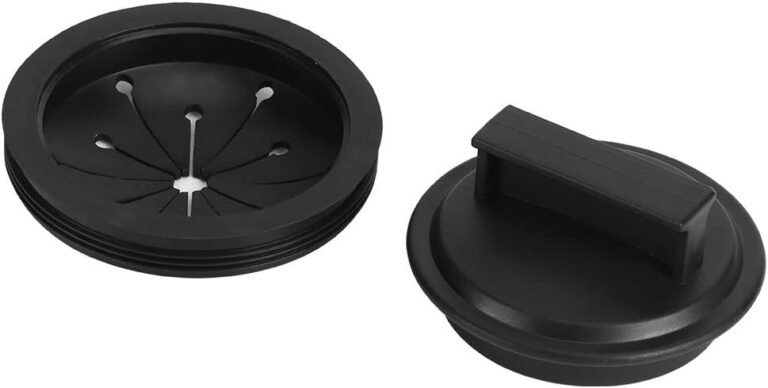
Leftover food particles are usually trapped in the splash guard or the grind chamber. Replace the rubber splash guard if it’s caked with grime. You can also grind a tray of ice with salt to knock off any hidden buildup you can’t see.
How long should a garbage disposal last?
With proper care, most units last between 10 and 15 years. That lifespan depends on how often you use it and what you feed it. Following the safe list and monthly maintenance routine we shared will help you get the most out of yours.
Should I use a plumber if my disposal keeps jamming?
If you have tried the reset button and the hex wrench method and it still jams, it is time to call a pro. A plumber can check for deeper issues like a blocked drain line or a failing motor. Repeated jams often signal it’s time for a replacement.