Garbage Disposal Size Guide: What Fits Your Kitchen
The best garbage disposal size for most households is 1 horsepower. It handles normal daily use without jamming, and it fits most standard sinks. If you have a large family or cook a lot, a 3/4 horsepower model is a smart upgrade. Smaller 1/3 horsepower disposals are only good for light, occasional use.
Choosing the right size isn’t just about power. You also need to consider your sink flange size (standard is 3.5 inches) and your dishwasher hookup. We found that bigger motors grind food faster and are less likely to clog.
- 1/3 HP: Cheapest, but only for very light use. Skip this if you have a family.
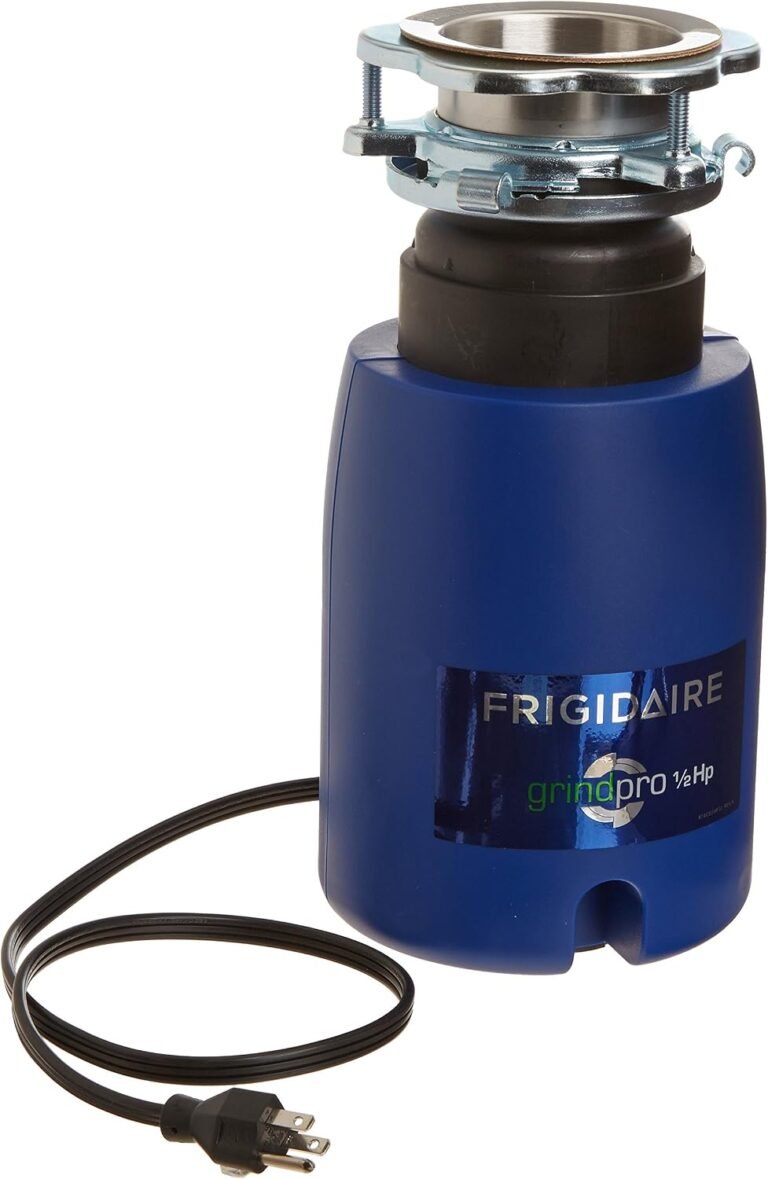
- 1/2 HP: Good for singles or couples. Handles soft foods okay.
- 3/4 HP: The best balance of power and price for most homes.
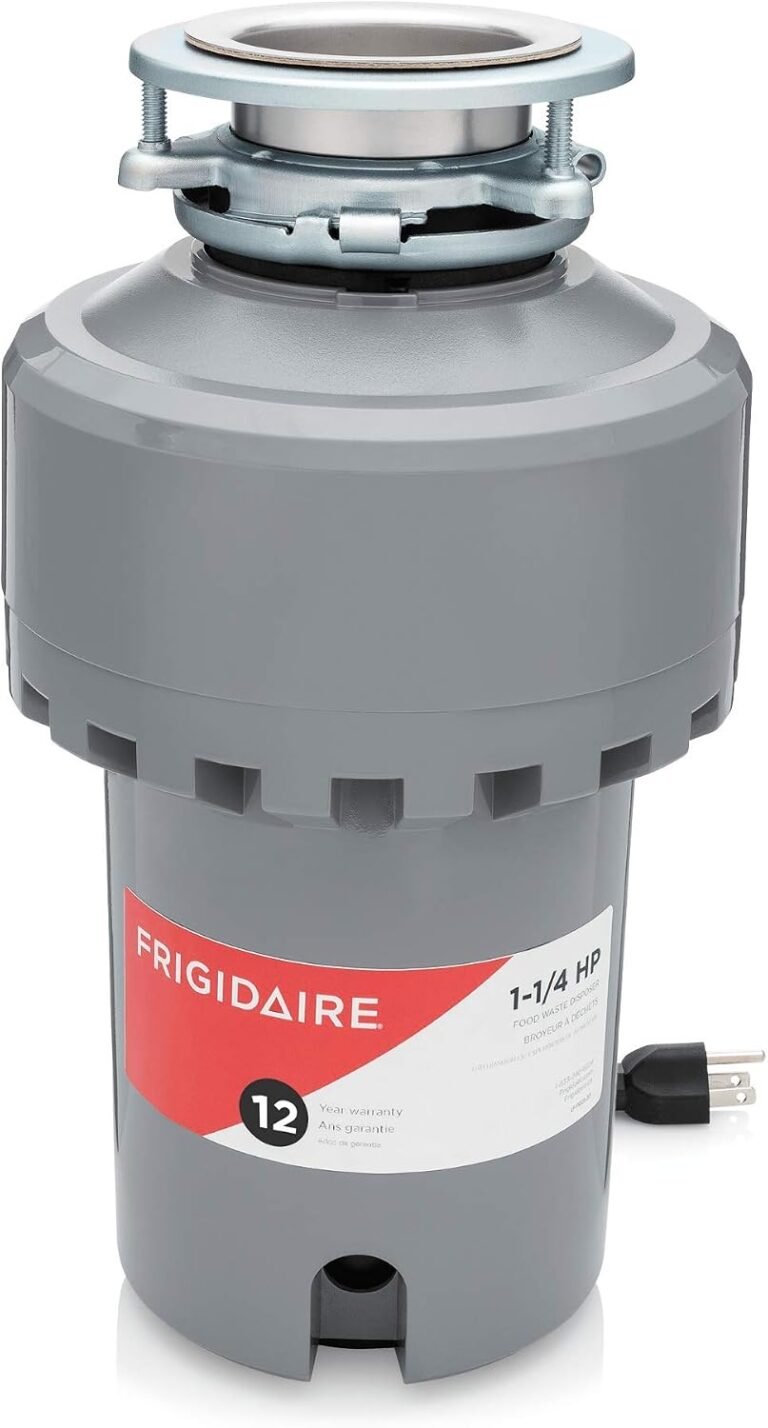
- 1 HP: Best for large families, heavy use, and grinding tough scraps like bones.
- Check your sink opening: Make sure it measures 3.5 inches wide for a standard fit.
Below, we break down each horsepower size in detail, so you can match the right unit to your kitchen and your cooking habits.
Matching Disposal Power to Your Cooking Habits
The right garbage disposal size comes down to one simple question: how much food actually goes down your drain? You wouldn’t buy a pickup truck for grocery runs, and you wouldn’t buy a compact car to haul lumber. The same logic applies here.
We found that most families overshoot or undershoot their disposal needs. They either buy too much power and waste money, or they buy too little and deal with constant jams. Let’s fix that right now.
Why Horsepower Matters More Than Price
Horsepower is the engine of your disposal. It determines how fast the grinding chamber spins and how much torque it can apply to tough food scraps. More power means faster grinding and fewer clogs.
Think of it like a blender. A weak blender struggles with ice. A strong one crushes it in seconds. Your disposal works the same way with food waste. Higher horsepower equals less frustration in the long run.
The Torque Factor You Can’t See
Torque is the twisting force that actually breaks down food. Many experts say torque matters even more than raw horsepower. A motor with high torque can handle thick, fibrous scraps without slowing down or stopping. Look for models that advertise high torque ratings, not just high HP numbers.
When you compare two disposals side by side, the one with better torque will feel more responsive. It will chew through celery and corn husks without choking. That’s the kind of performance you want.
Breaking Down Each Horsepower Category
Let’s walk through each size option so you can see exactly where your household fits. We’ll cover who each one is for, what it can handle, and where it falls short.
The 1/3 HP Disposal: Budget-Friendly but Limited
We found that 1/3 horsepower disposals are the cheapest option on the market. They’re often priced under $100 and are tempting for tight budgets. However, they come with serious limitations that might frustrate you.
These units handle soft foods like cooked vegetables, rice, and small leftovers. That’s about it. They struggle with fibrous vegetables like celery and artichokes. They also choke on any type of bone, even small chicken bones. Many guidelines point to these as starter units for apartments or vacation homes (Consumer Reports).
Who Should Buy a 1/3 HP Model
This size works if you’re single, eat out often, or barely cook at home. It’s also fine for a rental property where you can’t control what tenants install. But if you have a family or cook regularly, skip this size entirely. You’ll end up replacing it within a year or two.
The 1/2 HP Disposal: The Entry-Level Sweet Spot
Half horsepower is where most basic disposals start. It’s a step up from the budget models and handles everyday food scraps with reasonable ease. You’ll find plenty of options in this range from brands like InSinkErator and Waste King.
This size can grind soft foods, cooked meats, and even small fruit pits. It’s not built for heavy bones or large amounts of fibrous waste. It’s a solid choice for singles and couples who cook a few meals per week.
Durability Concerns With 1/2 HP Units
We found that 1/2 HP disposals have a shorter lifespan under heavy use. The motor runs hotter and wears out faster when you feed it tough scraps. If you cook big meals or host gatherings often, this size might not keep up. Budget for a replacement in 3 to 5 years.
The 3/4 HP Disposal: The Reliable Workhorse
This is the size we recommend for most American households. It offers enough power for daily family meals without breaking the bank. Prices range from $150 to $300 depending on the brand and features.
A 3/4 HP disposal handles nearly everything a typical kitchen produces. Cooked bones, vegetable peels, small pits, and even ice cubes are no problem. It grinds faster and jams less often than smaller models. Many experts say this is the best value for the money in the disposal market (Home Depot buying guides).
Multi-Stage Grinding Technology
Many 3/4 HP models come with multi-stage grinding chambers. This means food gets shredded multiple times before entering your pipes. The result is finer particles that flow through plumbing more easily. This reduces the risk of clogs deep in your drain line.
The 1 HP Disposal: Maximum Power for Heavy Kitchens
If you have a large family, cook from scratch daily, or love hosting dinner parties, this is your size. One horsepower disposals are the top tier of residential units. They take on the tough jobs without breaking a sweat.
These units handle beef bones, chicken bones, and even small pork bones. They grind fibrous vegetables and corn husks with ease. They also run quieter because the motor doesn’t have to work as hard to get the job done.
Noise Reduction Features
High-end 1 HP models often include sound insulation layers. Some have sound-absorbing shells or anti-vibration mounts. This makes them noticeably quieter than their smaller counterparts. If open-concept living is your style, this matters more than you think. Nobody wants to hear grinding while guests are talking in the next room.
Sink and Mounting Considerations
Before you buy any disposal, you need to check your sink setup. Not every disposal fits every sink. The mounting system and the flange diameter are critical measurements you can’t ignore.
Standard Sink Flange Sizes Explained
The vast majority of kitchen sinks have a 3.5-inch drain opening. This is the standard size that nearly all disposals are built to fit. But some newer sinks come with 3.5-inch openings that accept special flanges, while older homes might have unusual sizing.
You can measure your sink opening with a simple tape measure. Remove the drain strainer and measure the inner diameter of the drain hole. If it reads 3.5 inches, you’re good for any standard disposal. If it’s larger or smaller, you’ll need an adapter kit.
Undermount vs. Top-Mount Sinks
Undermount sinks are common in modern kitchens. They work fine with disposals, but the installation is a bit different. The mounting hardware connects to the sink from underneath. Top-mount sinks have a lip that sits on the counter, and the disposal attaches differently. Most plumbers handle this easily, but it’s worth knowing your sink type before making a purchase.
Dishwasher Hookup Compatibility
If your dishwasher drains into your garbage disposal, you need a model with a dishwasher inlet. This is a small connection port that receives water from the dishwasher. Most modern disposals have this built in, but some budget models do not.
Check the product specs for “dishwasher connection” and make sure it’s included. This is especially important for newer homes where the dishwasher drain line connects directly to the disposal. Without the inlet, you’ll need a separate plumbing modification.
Noise Levels and What to Expect
Nobody talks about this enough when choosing a disposal size. The motor power directly affects how loud the unit runs. Smaller motors spin at higher speeds to compensate for lower torque, which creates more noise. Larger motors don’t have to work as hard, so they run quieter.
Sound Ratings for Different Sizes
Most manufacturers rate their disposals on a sound scale. Anything below 45 decibels is considered quiet, like a soft conversation. Anything above 60 decibels is loud, like a vacuum cleaner. We found that 3/4 HP and 1 HP models typically fall in the 45 to 55 decibel range. Smaller units often hit 60 decibels or higher.
You can find this information in the product description or on the manufacturer’s website. If you prioritize quiet operation, look for models that advertise “sound-sealed” or “sound-insulated” technology. These are worth the extra cost for open kitchens.
Comparing All Sizes Side by Side
To help you visualize the differences, here’s a quick comparison table. Use this as a cheat sheet when you’re shopping online or in stores.
| Horsepower | Best For | Handles Bones? | Noise Level | Price Range |
|---|---|---|---|---|
| 1/3 HP | Singles, light use, apartments | No | Loud (60+ dB) | $60 – $100 |
| 1/2 HP | Couples, moderate cooking | Small chicken bones | Moderate (55-60 dB) | $100 – $180 |
| 3/4 HP | Most families, daily use | Yes, most cooked bones | Quiet (45-55 dB) | $150 – $300 |
| 1 HP | Large families, heavy cooking | Yes, all bones | Quiet (45-50 dB) | $250 – $400+ |
Mounting Types and Installation Simplified
We found that many people overlook mounting types, but they matter for installation. There are two main systems: the traditional bolt-mount EZ mount and the older lock-ring style. The EZ mount is easier for DIY installation because it snaps into place without tools.
Lock-ring mounting requires a special wrench and more patience. If you’re hiring a plumber, this doesn’t matter. But if you plan to install it yourself, choose an EZ mount system. It will save you an hour of frustration on installation day.
Continuous Feed vs. Batch Feed
You’ll also choose between continuous feed and batch feed models. Continuous feed disposals run while you feed food into them. You turn them on with a wall switch and they keep grinding until you turn them off. Batch feed models require you to load food and then cap the drain to start grinding. For convenient control without a wall switch, our guide to air switch options explains the best choices.
Continuous feed is more common and convenient. It lets you run water and feed food simultaneously. Batch feed is safer for households with kids because it can’t run without the cover in place. Both work with any horsepower size, so this is a personal preference choice.
Quick Checklist Before You Buy
Use this final checklist to make sure you’ve covered everything. It’s easy to forget one little detail in the excitement of picking out a new appliance.
- Measure your sink drain opening to confirm it’s 3.5 inches.
- Count how many people live in your home and how often you cook.
- Decide if you need a dishwasher connection port on the unit.
- Check the power source — most disposals plug into a standard 120V outlet.
- Compare noise ratings online before you settle on a brand.
- Confirm you have enough vertical space under your sink for the unit.
This list covers the practical stuff. Bone handles and fancy features are nice, but these basics will prevent most headaches. Take your time and measure twice before you order. Your future self will thank you when installation goes smoothly.
Conclusion
Choosing the right garbage disposal size really comes down to your household size and cooking habits. We found that 3/4 HP is the sweet spot for most families, while 1 HP offers maximum power for heavy kitchens and large households. Smaller 1/3 and 1/2 HP units work fine for light use but will frustrate you if you cook regularly.
Don’t forget to measure your sink opening and check for a dishwasher hookup before you order. These small details make installation much smoother. If you’re still unsure, go with 3/4 HP. It offers the best balance of price, performance, and longevity. You’ll thank yourself every time you grind up leftovers without jamming.
Frequently Asked Questions
Can I replace a 1/2 HP garbage disposal with a 1 HP model?
Yes, you can upgrade to a larger size without any special plumbing work. Both models fit the same 3.5-inch sink opening and use the same mounting connections. Just make sure you have enough vertical space under your sink for the bigger motor unit.
How long does a garbage disposal last before needing replacement?
Most disposals last between 8 and 15 years with normal use. Smaller motors tend to wear out faster, especially if you regularly feed them tough scraps. A 3/4 HP or 1 HP model will typically outlast a 1/2 HP unit by several years.
Does a bigger garbage disposal use more electricity?
Not really, and here’s why. A stronger motor grinds food faster, so it runs for less time overall. That means a 1 HP unit might actually use similar electricity to a 1/2 HP model. You’re only paying a few extra cents per month for the extra power.
Will a larger disposal fit under my kitchen sink?
Most standard base cabinets have enough room, but you should measure before buying. You need roughly 13 to 18 inches of vertical clearance from the bottom of your sink to the cabinet floor. Check for plumbing pipes and other items that might take up space in that area.
What happens if I put fibrous vegetables in a small disposal?
Fibrous foods like celery, corn husks, and artichoke leaves can wrap around the impellers and jam a small motor. You’ll hear a humming sound and the unit will stop. You can hit the reset button, but repeated jams can cause permanent damage. This is a big reason to choose at least 3/4 HP.