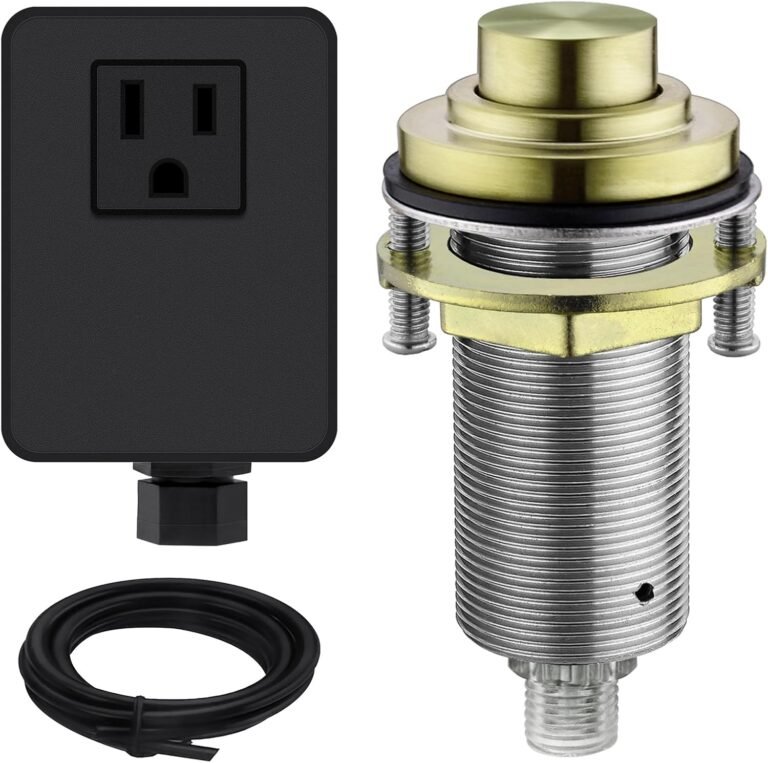
Garbage Disposal Safety Switch Cover: A Full Guide
Your garbage disposal safety switch cover is the small plastic plate that sits flush on your wall or countertop. It protects the reset button and the wiring behind it from water splashes and accidental bumps. This cover is a simple but vital safety barrier. It keeps your family safe from electrical shocks, especially when you are working with water right next to it.
We found that most homeowners don’t think about this tiny piece until it cracks or goes missing. When that happens, moisture can get into the switch, which could cause a short circuit. It’s a small fix that packs a big punch for peace of mind. Replacing a damaged cover is one of the easiest DIY tasks you can do.
- Safety first: The cover blocks moisture and debris from reaching live electrical parts.
- Quick check: Look for cracks, missing screws, or a loose fit to see if yours needs replacing.
- Easy fix: Swapping it out takes less than five minutes with just a screwdriver.
- Universal fit: Most covers match standard single-gang switch boxes found in US homes.
- Cost-effective: A new cover costs just a few dollars and prevents costly electrical damage.
Below, we break down exactly how to identify a failing switch cover and how to install a new one. Let’s walk through this simple home safety upgrade together.
Why Your Disposal Switch Cover Matters More Than You Think
That small plastic plate isn’t just for looks. It’s a line of defense between water and electricity. And in a kitchen, those two things mix all the time.
We found that most people never give this cover a second thought. Until something goes wrong. Then they wish they had checked it sooner.
The switch cover keeps splashes from reaching wires. It also stops crumbs and grease from building up behind the switch plate. Over time, that gunk can cause problems. A simple cover prevents all of that.
What Happens When the Cover Fails
A cracked cover is like a broken umbrella. It looks mostly fine, but it won’t protect you when it counts.
Moisture finds the smallest gaps. Once water touches live wires, you get a short. That can trip your breaker or worse. Many experts say that ground-fault circuit interrupters (GFCIs) are the first line of defense, but the cover is your physical barrier (Consumer Product Safety Commission).
We found that a missing cover is even more risky. Kids can reach the switch. Pets might bump it. And water splashes hit the wires directly.
How Often Should You Check Yours?
There’s no official rule for this. But we recommend a quick look every few months. Just glance at it while you’re washing dishes. That’s all it takes.
Look for visible damage. Cracks, chips, or discoloration are red flags. Also check if the screws are tight. A loose plate moves around, and that motion wears down the seal over time.
Spotting the Signs of a Damaged Switch Cover
You don’t need to be a handyman to spot trouble. Your eyes and fingers are enough. Here’s what we found to be the most common warning signs.
Visible Cracks and Chips
Plastic gets brittle as it ages. A tiny crack today becomes a bigger gap tomorrow. Check the corners and edges where stress builds up.
Run your finger along the surface. If you feel any rough spots, that’s a clue. Hairline cracks are easy to miss, so use good lighting.
Loose or Wobbly Fit
If the cover moves when you touch it, something is off. Either the screws are stripped or the mounting holes have worn down. A wobbly cover means gaps. Gaps mean moisture can get in.
Signs of Water Damage Behind the Plate
Take the cover off once in a while. Look at the wall behind it. Dark spots, rust, or peeling paint are bad news. Those signs mean water has already found its way in.
We found that many homeowners ignore these clues until the disposal stops working. Don’t wait for that. A quick check now saves a headache later.
Getting the Right Replacement Cover
Good news: finding a replacement is easy. Most US homes use a standard single-gang switch box. That’s the same size used for regular light switches. So your local hardware store likely has what you need.
Standard Sizes and Compatibility
Measure your current cover before you shop. The standard opening is about 2.5 inches wide and 4 inches tall. But some older homes have odd sizes. Taking a quick measurement removes all guesswork.
| Cover Type | Best For | Price Range |
|---|---|---|
| Standard plastic cover | Most homes, basic protection | $2–$5 |
| Stainless steel cover | High-moisture areas, durability | $8–$15 |
| Weatherproof cover | Outdoor or splash-heavy zones | $10–$20 |
| Decorator-style cover | Modern look, rocker switches | $3–$8 |
Most disposals use a simple push-button switch. But some use a wall-mounted toggle. Check what you have before buying a cover. The style matters more than the brand.
Where to Buy One Quickly
Home improvement stores always stock these. You can also find them online with fast shipping. The cost is low. We’re talking a few dollars at most.
Buying two is a smart move. That way you have a spare ready when the first one wears out. We found that having a backup saves a second trip to the store.
How to Install a New Cover in Five Minutes
This is one of the easiest DIY jobs there is. If you can use a screwdriver, you can handle this. No electrician needed. No special tools required.
Tools You Need
Keep it simple. Just a flathead or Phillips screwdriver. That’s the whole list. Turn off the power at the breaker for extra safety, though it’s not strictly required if you only touch the screws on the cover.
Step-by-Step Swap
First, remove the old cover by unscrewing the two screws. Set those screws aside.
Next, inspect the switch itself. Look for signs of burn marks or corrosion. If you see any, call an electrician. If it looks clean, you’re good to proceed.
Line up the new cover over the switch. Insert the screws and tighten them gently. Don’t overtighten. That can crack the fresh plastic. Hand-tight plus a quarter turn is usually just right.
Test the switch. Flip it on and off to make sure it moves freely. Then run water and operate the disposal to confirm everything works. If you’re also considering an upgrade, our guide to the quietest garbage disposals can help you choose a quieter model.
Keep the Area Clean
Wipe down the new cover with a damp cloth. Dry it completely afterward. This prevents water spots and keeps the plate looking sharp.
Check that the cover sits flush against the wall. If there’s a gap, adjust the screws slightly. A flush fit seals out moisture better.
Safety Tips for Using Your Disposal Switch
A good cover is just the start. How you use the switch also matters. We found that simple habits reduce risk more than any product can.
Keep Splashes Away
Angle the faucet away from the switch when the water is running. Redirect splashes with your hand or a dish towel. It’s a tiny habit that makes a difference.
Many experts say that keeping electrical components dry is the single most important rule in a kitchen (Occupational Safety and Health Administration). The cover helps, but your awareness helps even more.
Teach Your Household
Show your family where the switch is and how to use it. Kids should know not to poke at it. And everyone should know to dry their hands before flipping any switch.
When to Call a Pro
If the switch feels hot, smells odd, or sparks, stop using it. That’s bigger than a cover problem. Call a licensed electrician right away. Safety always beats a DIY fix.
Also call a pro if the wiring looks damaged. Dark wires, melted insulation, or burn marks are serious. Professional help is cheaper than a house fire.
Your Quick Maintenance Checklist
We put together a simple list to keep your switch in top shape. Run through it every few months. Each item takes seconds.
- Look for cracks on the cover surface and edges
- Test the fit to make sure the cover doesn’t wobble
- Tighten any loose screws with a screwdriver
- Wipe down the cover to remove grease and grime
- Peek behind the plate for signs of moisture or rust
- Replace the cover at the first sign of damage
That’s it. Six small checks that keep your kitchen safe. If something looks wrong, replace it. The cost is tiny compared to the peace of mind you get.
Your garbage disposal switch cover works hard every day. Give it a little attention now and then. It will return the favor by keeping your home safe. And that’s a trade every homeowner should make.
Conclusion
That little plastic plate on your wall does more work than you might think. It stands between your family and live electrical wires, all while blocking water, grease, and curious fingers. We walked through how to spot damage, pick the right replacement, and swap it out in minutes.
You don’t need to be a pro to handle this. A quick visual check every few months and a five-minute fix when something looks off is all it takes. Your kitchen stays safer, and you skip the headache of a costly electrical repair down the road.
So grab a screwdriver and take a peek at your switch cover today. If it’s cracked, loose, or missing, replace it now. That small act of upkeep is one of the easiest safety upgrades you can make for your home.
Frequently Asked Questions
Can I use any switch cover for my garbage disposal?
Most homes use a standard single-gang switch box, so a regular cover will fit. But you need to match the switch style. A push-button disposal switch needs a cover designed for that shape, not a standard toggle switch cover. Measure your switch opening first to be safe.
Do garbage disposal switches need a GFCI outlet?
Modern electrical codes often require GFCI protection for kitchen outlets and switches near water sources. The switch cover itself is not a GFCI. If your disposal circuit lacks GFCI protection, have an electrician check it. That adds an extra layer of safety beyond the cover.
Why does my disposal switch keep tripping the breaker?
A tripping breaker usually points to a bigger issue than the cover. It could be a short in the switch, a faulty disposal motor, or moisture inside the wall box. Check the switch for signs of water damage or burning. If you see anything odd, call an electrician rather than resetting it again and again.
Is it safe to use a disposal with no switch cover at all?
No, running a disposal with a missing switch cover is risky. Water splashes can hit the live terminals directly, which can cause a short or shock. It also leaves the switch exposed to grease buildup and accidental bumps. Stop using the disposal until you install a new cover.
What’s the difference between a weatherproof cover and a regular one?
A weatherproof cover has a rubber gasket and a sealed flap that blocks moisture even when the switch is in use. A regular plastic cover just protects against casual splashes and dust. For a kitchen sink area, a standard cover works fine in most cases. Choose a weatherproof version only if your switch sits in a high-splash zone near the sink edge.