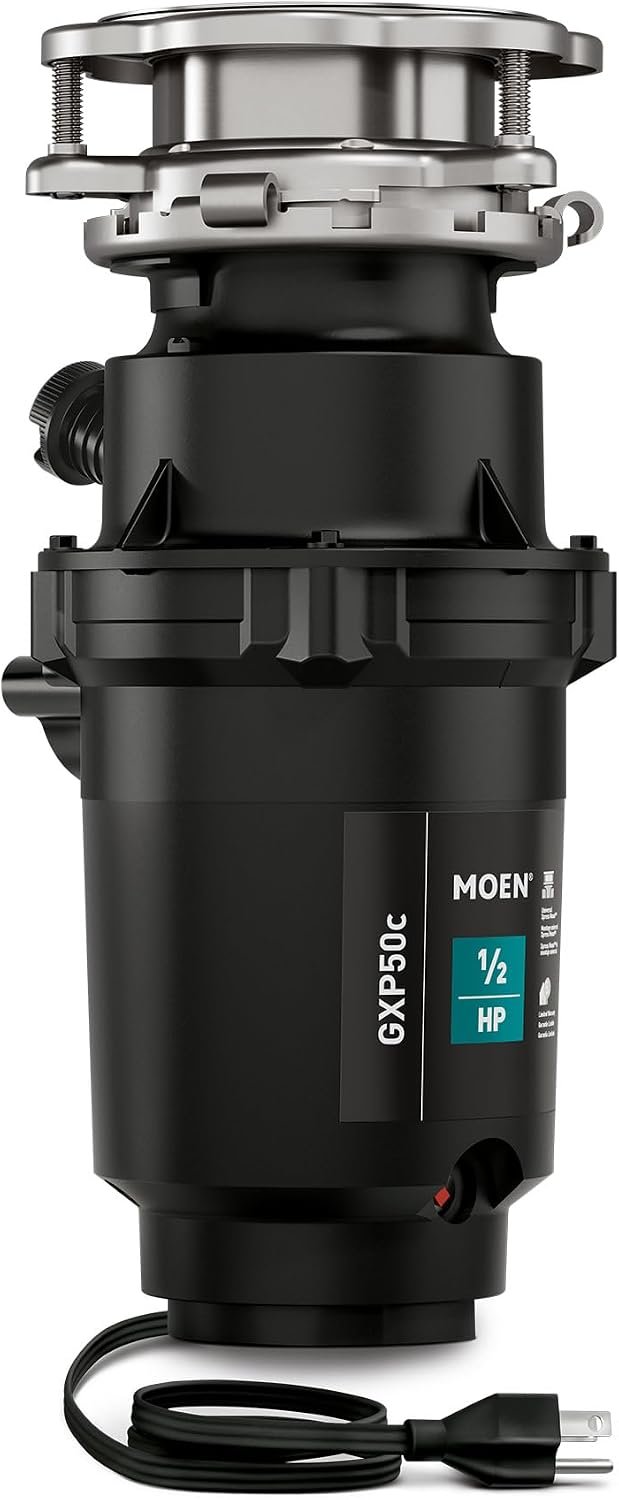
Does Garbage Disposal Work With Dishwasher Running
Yes, your garbage disposal can absolutely work while the dishwasher is running, but it’s not always the best idea. We found that most modern homes have separate drains, so running both at the same time is usually safe. The real issue isn’t the power—it’s about water flow and potential clogs that can sneak up on you.
When your dishwasher drains, it pushes food particles and soapy water into the same plumbing lines your disposal uses. If you run the disposal at the same moment, you’re doubling the load on those pipes. That’s why many plumbers suggest a simple rule: wait for the dishwasher to finish its drain cycle before you flip that switch. It takes just a few extra minutes and saves you from a messy backup.
- Yes, it works—both can run at the same time without electrical issues in most homes.
- Your plumbing setup matters—some homes share a drain line, which can cause clogs.
- The dishwasher drain cycle is the risky part—that’s when water and food collide.
- Best practice is to wait—run the disposal a few minutes before or after the dishwasher drains.
- If you hear gurgling, that’s a warning sign to stop and check your pipes.
Below, we’ll walk you through exactly how your plumbing works, when it’s safe to run both, and the simple habits that keep your kitchen drain happy. Let’s dig in.
Running Your Disposal and Dishwasher at the Same Time
You can usually run both appliances together without tripping a breaker. We found that most kitchens have separate circuits for these two workhorses. The power side of things is rarely the problem. The real issue is what happens inside your drain pipes when they both push water at the same time. If you’re considering a safer way to control your disposal, our guide to the best air switch for your disposal covers the top options.
Think of your plumbing like a two-lane road. Your dishwasher uses one lane to push water out. Your disposal uses the other lane to grind food and send it down. When both run together, the traffic merges into a single pipe. That merge point is where backups happen.
How Your Dishwasher Drain Hookup Actually Works
Your dishwasher drains through a hose that connects to your sink’s plumbing. In many homes, that hose connects directly to the disposal itself. This setup means your dishwasher pushes its wastewater through the disposal’s chamber before it reaches the main drain line.
This connection is important. It means food particles and soapy water all pass through the same narrow spots. When you run the disposal at the exact moment the dishwasher is draining, everything collides in one place.
The Drain Hose Connection Point
You can usually spot this connection under your sink. Look for the metal fitting on the side of your disposal where a small hose attaches. That’s your dishwasher drain line. Some homes have the hose connected to a separate tailpiece instead. Check yours so you know your setup. Knowing your plumbing layout helps you predict potential problems (This Old House).
If the hose connects to the disposal, you have a built-in food trap. Food that sits in the disposal chamber will get churned up when the dishwasher sends water through it. That can create a sudden surge of debris heading into your pipes.
Why Running Both Can Cause Clogs
Clogs don’t happen every time. They happen when conditions are just right. Grease, coffee grounds, and stringy vegetables create the perfect storm. When the dishwasher adds hot, soapy water to that mix, the combination can push a big clump into your pipes.
We found that the dishwasher’s drain cycle is brief but powerful. It uses a pump to force water out quickly. If that fast-moving water hits a disposal that’s actively grinding food, you get a sudden surge of debris. A surge like that can overwhelm a slow-draining pipe in seconds.
What Happens When You Run Both Appliance Drain Lines
Picture two garden hoses spraying into a narrow bucket at the same time. The bucket overflows. Your drain pipe acts much the same way. It has a limited capacity for water and solids. When both appliances push their contents together, the pipe can’t keep up.
This is why plumbers see so many service calls during holiday cooking. People run the sink, the dishwasher, and the disposal all at once. The pipe fills up. The water backs up into the other side of the sink. It’s messy, smelly, and completely avoidable.
The Gurgling Warning Sign You Should Never Ignore
That gurgling sound you hear from your sink is your pipes crying for help. It means air is being pushed through standing water. It also means your drain is struggling to handle the flow. When you hear that, stop what you’re doing.
Turn off the disposal. Let the dishwasher finish its cycle. The gurgling usually stops once the water has a chance to drain slowly. If it continues, you may have a partial clog building up. A little patience now beats a plumber visit later.
Why a Full Sink Makes Things Worse
A sink full of water adds extra weight and pressure to the system. That pressure forces water through the drain faster than it can handle. You end up with wastewater sitting in your sink, mixing with whatever is already there. Not fun.
Experts say that slow drains are the most common sign of a developing clog (Environmental Protection Agency). Pay attention to how quickly water disappears after you run the dishes. A fast drain is a happy drain.
The Dishwasher Pump Cycle Timing Explained
Your dishwasher doesn’t drain all at once. It drains in short bursts throughout the cycle. Each drain cycle lasts about 30 to 60 seconds. The pump pushes water out in powerful spurts. These spurts are exactly when clogs happen.
If you run the disposal during one of these burst moments, you’re stacking problems. The disposal adds more water and more solids at the exact moment the pipe is already under pressure. Waiting just a few minutes avoids the entire issue.
Safe Kitchen Habits That Protect Your Pipes
You don’t need to become a plumbing expert to avoid backups. You just need a few simple rules you follow every day. We found that homeowners who follow these habits rarely deal with clogs. Consistency is the secret.
Start with your dishwasher’s timing. Run the disposal before you start the dishwasher, not during. This clears out any food already sitting in the chamber. Then when the dishwasher drains, there’s nothing left to churn up.
The 5-Step Routine for a Smooth Drain
- Step one: Scrape plates into the trash can, not the sink. Less food down the drain means less risk of clogs.
- Step two: Run cold water for 15 seconds before you turn on the disposal. This flushes the line.
- Step three: Keep the water running for 30 seconds after the disposal stops. This pushes all ground food through the pipe.
- Step four: Wait to start the dishwasher until the sink water fully drains. This prevents a double load of water.
- Step five: Once a week, pour a pot of boiling water down the drain to melt away grease buildup.
These five steps take less than two minutes total. They save you from the mess, the smell, and the cost of a plumber. That’s a pretty good trade-off.
Comparing Your Options: Wait, Run Together, or Never Run Together
Let’s break down your choices clearly. Each option comes with its own set of trade-offs. We put together a simple comparison table so you can see the differences at a glance.
| Option | What Happens | Risk Level |
|---|---|---|
| Run disposal first, then start dishwasher | Disposal clears food, then dishwasher drains clean water | Very low risk |
| Run both at the exact same time | Food and water collide in the drain line | Medium risk |
| Never run disposal while dishwasher is on | Food sits in the chamber until the dish cycle ends | Low risk, but stinky |
The first option wins every time. It takes one extra minute of your time and completely removes the risk. The third option works but leaves food sitting in your disposal. That can create odors, especially in warm weather.
What About Older Homes with Shared Pipes
Older homes often have plumbing that was installed decades ago. Those pipes may be narrower or have more buildup on the inside. If you live in an older home, you might want to be extra careful about running both together.
We found that homes built before the 1980s are more likely to have shared drain lines. That means your sink, dishwasher, and sometimes even the washing machine all connect to one main pipe. More connections mean more chances for conflicts.
How to Test Your Home’s Drain Capacity
You can test your drain capacity without calling a plumber. Fill your kitchen sink halfway with water. Then pull the plug and run the disposal at the same time. If the water drains quickly without backing up, you have decent capacity. If it backs up, your drain is already restricted.
Repeat this test with the dishwasher running. If you see slow draining, that’s your warning sign. Make a habit of running the disposal separately, and you’ll avoid most problems (National Sanitation Foundation).
Signs Your Drain Needs Professional Attention
Some problems are bigger than what a few good habits can fix. If you notice any of these signs, call a professional. They have the tools to see what’s actually happening inside your pipes.
Frequent backups, slow drains that last for days, and strange odors are all red flags. Water pooling under your sink is another one. Don’t ignore these signs. Small problems become expensive repairs when left alone.
When It’s Time to Call a Plumber
- Recurring backups even when you follow safe habits.
- Gurgling sounds from other drains in the house.
- Water under the sink or around the dishwasher base.
- Persistent odors that don’t go away with cleaning.
- A drain that takes over a minute to empty.
These aren’t warning signs to ignore. They point to bigger issues like damaged pipes or deep clogs. Most plumbers recommend a yearly drain inspection for homes over 20 years old. That simple check can catch problems before they become disasters.
Conclusion
You can run your garbage disposal while the dishwasher is on, but you’re playing with fire. The power is fine, but the plumbing pressure can cause clogs and messy backups. We found that the smartest move is simple: run your disposal before you start the dishwasher, not during.
This one habit takes less than a minute and completely removes the risk. You keep food from sitting in the chamber, and your dishwasher drains clean water without colliding with debris. Remember to listen for gurgling sounds and watch for slow drains. These are your warning signs.
Your next step is to test your drain capacity today. Fill your sink halfway, pull the plug, and run the disposal. If the water flows fast, you’re in good shape. If it backs up, it’s time to adjust your routine and start using the 5-step plan we shared. Your pipes will thank you.
Frequently Asked Questions
Will running the garbage disposal and dishwasher together trip a breaker?
In most homes, no. Your disposal and dishwasher typically run on separate circuits, so you won’t overload your electrical panel. However, if you live in an older home with shared wiring, you might see issues. Keep an eye on your breaker box the first few times you run both together.
Why does my sink gurgle when the dishwasher drains?
That gurgling sound means air is being pushed through water in your pipes. It’s a sign your drain is struggling to keep up with the flow. If it happens regularly, you probably have a partial clog forming. Try running the disposal before the dishwasher starts to clear the line.
Can I put dishwasher tablets in my garbage disposal to clean it?
You can, but it’s not the best idea. Dishwasher tablets are designed for a different environment and can create excess foam in your sink. We recommend using ice cubes and coarse salt to clean your disposal instead. That combination grinds away buildup without leaving soapy residue behind.
How long should I wait after the dishwasher starts to use the disposal?
You don’t need to wait the entire cycle. Just wait until the dishwasher’s drain phase has finished. That usually happens near the end of the cycle. If you’re not sure, wait until the water stops running and the machine goes quiet for a few minutes. That’s the safest window.
Is it bad to run hot water through the garbage disposal?
Hot water is fine for general cleaning, but it’s not great for grinding food. Hot water can melt grease, which then coats your pipes and causes clogs. Cold water is better because it solidifies grease and lets the disposal grind it up into small particles that flush away easily.