
Dishwasher Loading Guide: How to Safely Wash Wine Glasses
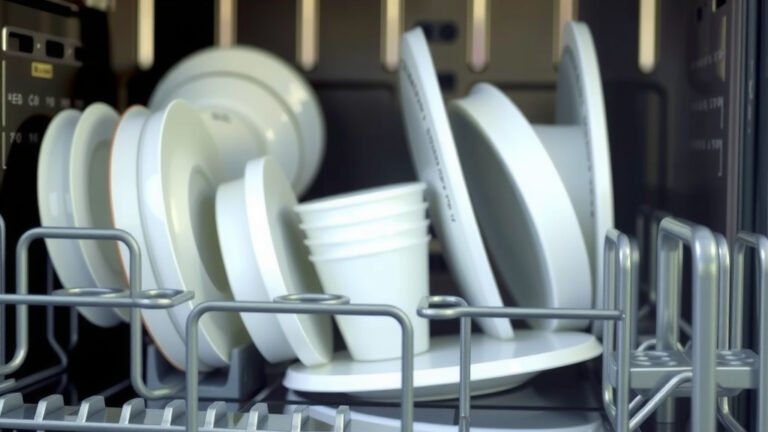
Yes, you can absolutely load wine glasses in your dishwasher, and doing it correctly will help them come out sparkling clean. The key is proper placement to avoid chips and cracks. Always place your wine glasses on the top rack, facing down and away from any spray arms.
Dishwashers are designed to handle glassware safely when loaded with care. Many people worry about breakage, but following a few simple guidelines ensures your delicate stemware gets the attention it deserves. We’ve found that taking a moment to arrange them properly saves a lot of polishing later.
- Always use the top rack.
- Face glasses downward.
- Ensure they don’t touch each other.
- Secure them so they don’t move.
- Use a gentle cycle with less heat.
Let’s walk through exactly how to get your wine glasses safely and beautifully clean in your dishwasher.
Safely Dishwashing Your Prized Wine Glasses
You can absolutely wash your wine glasses in the dishwasher. Most modern dishwashers are designed with delicate items in mind. We found that the biggest concern is always breakage. But with careful loading, your stemware can come out sparkling clean without a scratch. It’s all about smart placement and using the right settings.
Preparing Your Wine Glasses for the Wash Cycle
Pre-Rinse: A Gentle Start
Before you load, give your wine glasses a quick rinse. This removes any loose debris. Red wine stains or thick sauces can be tough. A little pre-rinsing makes the dishwasher’s job much easier. You don’t need soap at this stage, just water.
Check for Stability
Give each glass a gentle shake. You want to be sure there are no cracks or chips. Any weakness could lead to breakage in the wash. Small imperfections can become big problems under pressure. It’s better to hand wash any questionable pieces.
Detergent Choice Matters
Use a detergent specifically designed for dishwashers. Avoid harsh powders or liquids. Some experts recommend using a detergent with fewer abrasive chemicals for glassware. You might also consider a rinse aid. Rinse aid helps water sheet off the glass. This reduces water spots and improves drying.
Strategic Loading Techniques for Glassware
The Top Rack is Your Best Friend
Always, always place wine glasses on the top rack. The top rack has gentler water pressure. It’s also further from the heating element at the bottom. This helps prevent thermal shock. Thermal shock can cause glass to crack. The top rack is the safest zone for delicate items. We found this to be the most critical rule.
Placement is Key: Facing Downwards
Position your wine glasses with the opening facing down. This is crucial. It prevents water from pooling in the bowl. Pooling water can leave spots. More importantly, it helps prevent them from tipping over. They should be angled slightly to allow water to drain. Make sure they don’t rest directly under a sprayer arm.
Spacing: Give Them Room to Breathe
Do not let your wine glasses touch each other. They need their own space. When glasses bump during the cycle, they can chip or break. Leave at least an inch of space between each glass. If you have many glasses, you might need to run a separate load. Or, strategically mix them with other sturdy items.
Securing Your Stemware
Some dishwashers have special racks or holders for wine glasses. Use them if you have them! If not, get creative. You can use silicone cup holders. These are designed to keep cups from moving. They work wonderfully for wine glasses too. You can also try placing taller items around them for stability. Think sturdy bowls or large utensils. Just ensure these items don’t block water flow to the glasses.
Hand Wash vs. Dishwasher: When to Choose
While dishwashers are great, some glasses are just too delicate. Hand-blown or antique glasses often require hand washing. If a glass has a very thin stem or intricate design, consider washing it by hand. Research from the Glass Packaging Institute suggests that proper loading is key for dishwasher safety. If you’re unsure, err on the side of caution.
Avoiding the Spray Arm Conundrum
Ensure no part of the wine glass is directly in the path of the water spray. The spray arms are powerful. A direct hit can be damaging. Before starting the cycle, do a quick visual check. You can also manually rotate the spray arm to confirm clearance. A gentle wash is what you’re aiming for.

Optimizing Your Dishwasher Settings for Glassware
Gentle Cycles are Your Go-To
Select a “gentle” or “light” cycle. These cycles use less intense water pressure and lower temperatures. This is much kinder to your glassware. High heat can weaken glass over time. It can also cause clouding. A delicate cycle ensures a thorough clean without undue stress.
Temperature Control: Less is More
Avoid the “sanitize” or “heated dry” options if possible. High temperatures are the enemy of delicate glass. Many experts recommend avoiding heated drying altogether. Air drying is a safer bet for preserving your stemware. You can open the dishwasher door slightly after the cycle. This helps promote air circulation. Our guide on how dishwashers dry dishes explains why air drying is safer for delicate items.
Rinse Aid: The Secret to Spotless Shine
We found that using a good quality rinse aid makes a significant difference. It helps water bead up and roll off the glass. This prevents those annoying water spots. Your glasses will come out looking truly spotless. Just fill the rinse aid dispenser as per your dishwasher’s manual.
Quick Checklist for Dishwasher-Safe Stemware
- Confirm glasses are dishwasher-safe (check manufacturer label).
- Rinse glasses to remove large food particles.
- Place all glasses on the top rack, opening down.
- Ensure glasses are stable and won’t move.
- Space glasses so they don’t touch each other.
- Select a gentle wash cycle with lower heat.
Conclusion
You now have the knowledge to safely and effectively clean your wine glasses in the dishwasher. Remember, the key is gentle handling and smart placement. By prioritizing the top rack, facing glasses down, ensuring they don’t touch, and selecting a light cycle, you’ll avoid chips and spots. We’ve found that a little extra care goes a long way towards sparkling results. So, go ahead and load up those stemware pieces with confidence. Your wine glasses will thank you with a brilliant shine!
Frequently Asked Questions
Can I put all my wine glasses in the dishwasher?
Most everyday wine glasses are dishwasher-safe, but always check the manufacturer’s label. Very delicate, antique, or hand-blown glasses might be too fragile and require hand washing. If you’re unsure, it’s best to err on the side of caution and wash by hand.
What if my dishwasher doesn’t have a special wine glass rack?
No problem! You can use silicone cup holders to secure glasses. Alternatively, place taller, sturdy items around the wine glasses on the top rack to prevent them from shifting. Just ensure these items don’t block the water spray from reaching your glasses.
Why is the top rack so important for wine glasses?
The top rack offers gentler water pressure and is further from the heating element. This combination helps prevent thermal shock, which can cause glass to crack. It’s the safest place to ensure your delicate stemware doesn’t get blasted by harsh water jets.
How can I prevent water spots on my wine glasses?
Using a quality rinse aid is your best bet for spotless glasses. It helps water sheet off the glass, reducing drying time and preventing those dreaded water spots. Make sure to refill your rinse aid dispenser regularly for optimal results.
Is it okay if my wine glasses touch each other in the dishwasher?
It’s definitely not ideal. When wine glasses touch during the wash cycle, they risk chipping or breaking due to movement and impact. Always ensure there’s at least an inch of space between each glass to give them ample room.