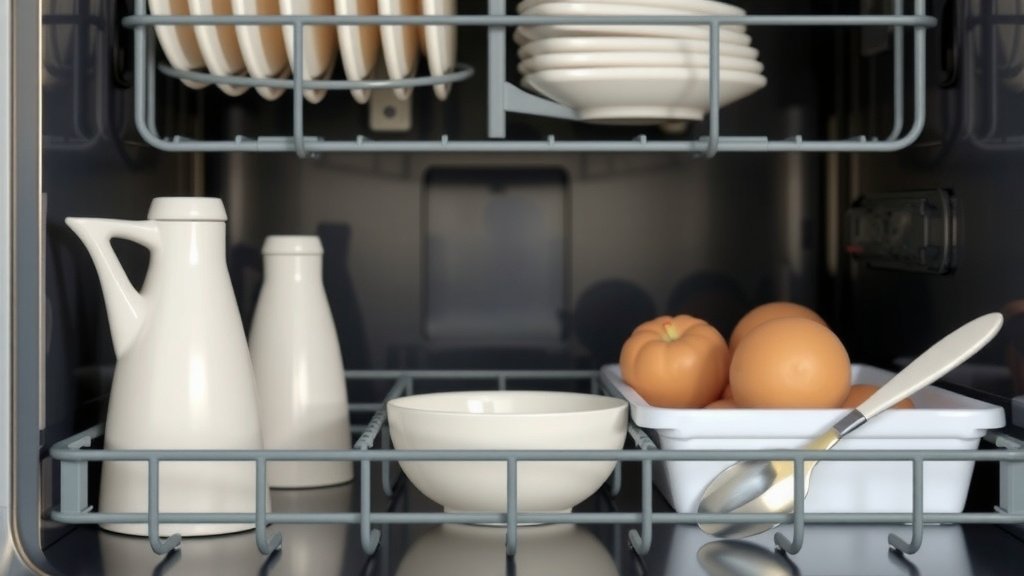
Dry Dishes Faster in Dishwasher: Pro Tips
To dry dishes faster in your dishwasher, always run the heated dry cycle and open the door immediately after the cycle finishes. This simple trick uses residual heat and air circulation to finish the job. You can also use a rinse aid, which helps water sheet off dishes instead of forming droplets that take longer to evaporate.
Getting your dishes completely dry without spots can feel like a never-ending battle. Beyond just running the cycles, a few smart adjustments can make a big difference. We’ve researched the best ways to ensure your dishwasher doesn’t leave you with a pile of damp dishes. Proper loading and using the right detergent are also key players in achieving that perfect dry.
- Use the heated dry option.
- Open the door right after the cycle.
- Always add rinse aid.
- Load dishes correctly.
- Check your dishwasher’s settings.
Let’s walk through exactly how these simple steps can help you achieve perfectly dry dishes every single time.
Speeding Up Your Dishwasher’s Drying Cycle
Want to say goodbye to damp dishes forever? We’ve got your back. Many people struggle with wet silverware or dishes. It feels like a constant chore. Fortunately, there are simple tricks to get your dishwasher working better. You can achieve a perfectly dry load every time. Let’s dive into how to make your dishwasher dry dishes faster.
Harnessing Your Dishwasher’s Built-In Drying Power
Your dishwasher has features designed to help with drying. You just need to know how to use them effectively. Often, the key is already there, waiting for you to activate it.
The Magic of the Heated Dry Cycle
This is the most important feature for drying. Most dishwashers come with a heated dry option. It uses a heating element at the bottom of the tub. This element warms the air inside. It then circulates this hot air. This speeds up the evaporation process dramatically. Make sure this option is selected for every wash. We found that using it consistently makes the biggest difference.
Some newer models might have different names for this. Look for terms like “Extra Dry” or “Sanitize.” They all serve a similar purpose. If your dishwasher has a specific drying setting, always choose it.
Don’t Forget the Rinse Aid!
Rinse aid is a game-changer. It’s a liquid you add to a special dispenser. This dispenser releases it during the final rinse cycle. Rinse aid reduces the surface tension of water. This causes water to sheet off dishes instead of forming droplets. These droplets are what lead to those annoying spots. They also take much longer to evaporate on their own. Many experts recommend using rinse aid regularly (Cleveland Clinic). Learn how rinse aid is your drying’s best friend.
Think of it like waxing your car. The water beads up and rolls off. Without it, water spreads out and clings. This clinging water needs more time and heat to go away. So, keep that rinse aid compartment filled!
The Power of Opening the Door
This sounds too simple to be true, right? But it’s incredibly effective. As soon as the wash and dry cycles are finished, open the dishwasher door. Just crack it open a few inches. This lets the hot, moist air escape. It also allows cooler, drier room air to circulate inside. This exchange helps to finish the drying process quickly.
We found that doing this right after the cycle ends is key. Don’t wait until the next morning. The residual heat from the heated dry cycle is still present. Letting that heat interact with fresh air speeds things up. It’s like opening an oven door to let cookies cool faster. You’re essentially giving your dishes a chance to breathe.
Loading Your Dishwasher for Optimal Drying
How you stack your dishes matters more than you might think. Proper loading ensures that water can reach all surfaces. It also prevents water from pooling in awkward places.
Maximize Airflow on Every Rack
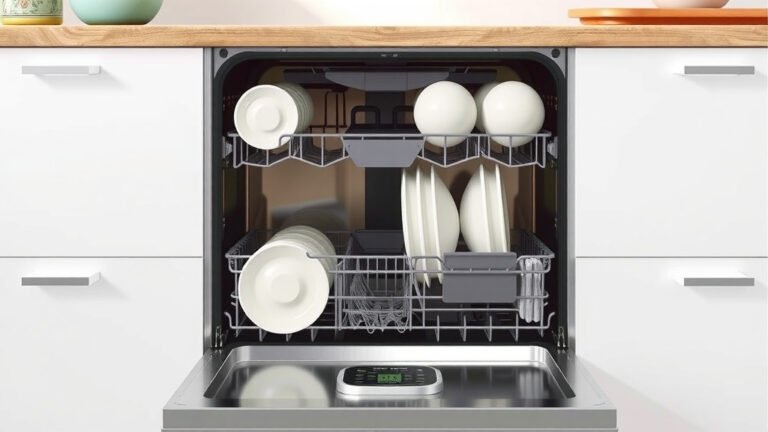
Don’t overcrowd the dishwasher. Items should not be touching each other too much. Allow space for air to circulate freely. This is crucial for effective drying. Tightly packed dishes can trap moisture. This creates those damp spots you want to avoid.
Proper Placement for Plates and Bowls
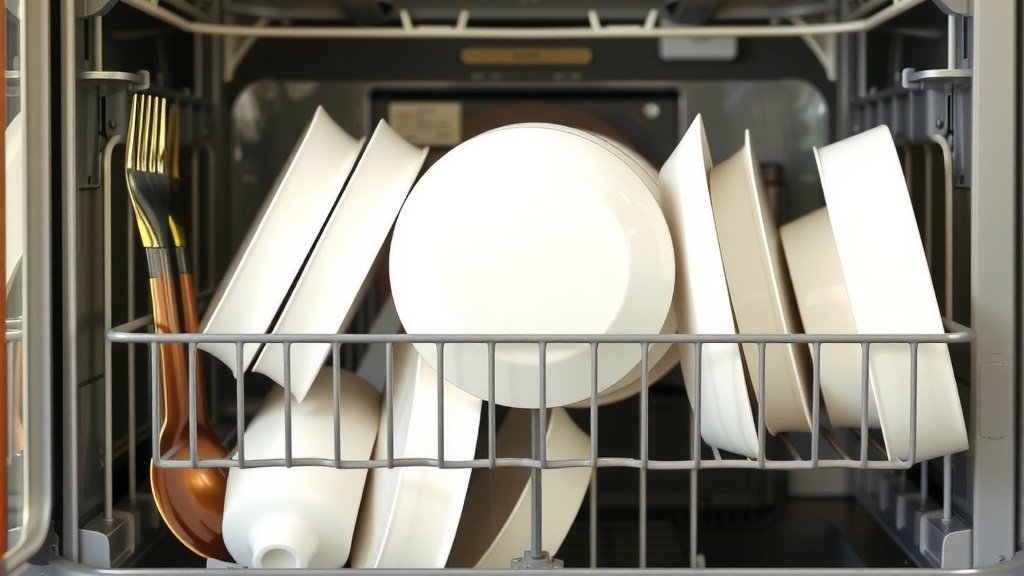
Place plates and bowls facing downwards. Make sure they are angled slightly. This allows water to drain off easily. Avoid placing them flat against each other. They should have space between them. This is true for both the top and bottom racks.
Silverware Smarts
Mix your silverware in the basket. Don’t put all the spoons together or all the forks together. This helps prevent them from nesting. When items nest, they shield each other from the water spray. This leads to certain pieces staying wet. Place some handles up and some handles down. This further aids in preventing nesting.
Avoid Blocking the Sprayer Arms
Ensure that no tall items are blocking the spinning spray arms. If the arms can’t spin freely, water won’t reach all your dishes. Check that pots, pans, or large utensils aren’t obstructing their path. They need to be able to reach every corner of the dishwasher.
Understanding Your Dishwasher’s Settings
Your dishwasher’s control panel has more options than you might realize. Taking a moment to understand them can improve your results.
Checking the Cycles Available
Look at your dishwasher’s manual. It will detail all the cycles and options. Some cycles are designed for tougher cleaning. Others are more energy-efficient. Some cycles may even automatically skip the heated dry. Make sure you’re selecting a cycle that includes thorough drying.
The Role of Water Temperature
Hotter water helps dishes dry faster. It also aids in better cleaning. Many dishwashers heat the water themselves. Check if your model allows you to select a higher water temperature setting. If not, ensuring your home’s hot water heater is set high enough is helpful. Guidelines suggest a water temperature of at least 120°F (CDC).
Consider a Quick Wash for Lighter Loads
A quick wash cycle is great for lightly soiled dishes. However, these cycles often have shorter drying times. Sometimes they might even skip heated drying altogether. If you need your dishes dry quickly, a longer, more robust cycle might be better. Even if it takes a bit more time overall.
Troubleshooting Persistent Wetness
If you’ve tried these tips and still have wet dishes, something else might be going on. Let’s look at common issues.
Is Your Dishwasher Level?
Believe it or not, a dishwasher that isn’t level can affect draining. Water can pool in the bottom of the tub. This makes it harder for everything to dry. You can check if it’s level using a small level tool. Most dishwashers have adjustable feet to fix this.
Check Your Dishwasher Filter
A clogged filter can impede water flow. This affects both washing and draining. Most filters are located at the bottom of the dishwasher tub. Consult your manual for instructions on how to remove and clean it. A clean filter ensures proper water circulation.
Inspect the Heating Element
If you consistently use the heated dry option but see no difference, the heating element might be the issue. This is a more technical problem. It might require a repair technician. This is especially true if the element isn’t heating up at all during the cycle.
A Quick Checklist for Drier Dishes
Here’s a quick rundown to ensure your dishwasher works its best:
- Always select the heated dry option.
- Keep the rinse aid dispenser full.
- Open the door immediately after the cycle.
- Load dishes with space for airflow.
- Ensure items are angled for drainage.
- Clean your dishwasher filter regularly.
Conclusion
You’ve learned how to transform your dishwasher from a moisture-maker into a drying powerhouse! By consistently using the heated dry option, adding rinse aid, and cracking the door open post-cycle, you’re already set for success. Remember that smart loading and understanding your machine’s settings are just as important. These simple adjustments will help you ditch the damp dishes and enjoy perfectly dry results every time. Start implementing these tips today and reclaim your time from towel-drying!
Frequently Asked Questions
Why are my plastic dishes still wet after the heated dry cycle?
Plastic doesn’t retain heat as well as glass or ceramic, so it dries slower. You can help by placing plastic items on the top rack where they’re less likely to collect water. Opening the door immediately after the cycle finishes also helps trapped moisture escape faster, aiding in the drying of plastic.
How often should I refill the rinse aid dispenser?
Most rinse aid dispensers need refilling every 1-2 months, depending on your dishwasher’s cycle frequency and the setting you choose. Your dishwasher will usually have an indicator light to let you know when it’s getting low. Keeping it full is key to preventing water spots and improving overall drying.
Can I skip the heated dry cycle to save energy?
You can skip the heated dry cycle if you’re not in a rush and don’t mind a few damp spots. However, for faster and more complete drying, especially if you don’t use rinse aid, the heated dry is very effective. Opening the door right after the wash is a good compromise for energy savings and drying.
My dishwasher doesn’t seem to have a “heated dry” option, what should I do?
Check your manual for alternative names like “Extra Dry” or “Sanitize” which use heat. If your model genuinely lacks a dedicated heated dry, focus on using rinse aid and opening the door immediately after the cycle. Ensuring your home’s hot water is set to at least 120°F also helps.
Is it safe to leave the dishwasher door open overnight?
Yes, it’s safe and can actually help dishes dry better if they’re still a bit damp. Leaving the door ajar allows air circulation, letting residual heat and moisture dissipate naturally. Just be mindful of pets or children who might be curious about an open appliance.