Dishwasher Stops Mid-Cycle? Here’s What To Do
When your dishwasher stops halfway through a cycle, it’s usually due to a minor plumbing issue or a tripped circuit breaker. Don’t panic! Often, a quick check can get your dishes sparkling again without a service call. We’ve researched common causes and found that these two are the most frequent culprits.
This mid-cycle halt can be frustrating, especially when you’re expecting clean dishes. Other possible reasons include a clogged filter, a faulty door latch, or even a problem with the water inlet valve. Understanding these potential roadblocks is key to getting your dishwasher back on track.
- Check your circuit breaker first.
- Ensure the door is properly latched.
- Clean out the dishwasher filter.
- Verify water supply to the machine.
- Look for error codes on the display.
Let’s walk through exactly how to troubleshoot your dishwasher stopping mid-cycle so you can get back to enjoying spotless dishes.
Troubleshooting Your Dishwasher’s Mid-Cycle Stop
It’s incredibly annoying when your dishwasher decides to take an unscheduled break mid-cycle. You load it up, set it to run, and then… silence. The cycle is stuck, and your dishes are still dirty. Don’t worry, we’ve researched the common reasons this happens, and many are surprisingly easy to fix yourself. Let’s get your dishwasher back to its sparkling best!
Why Your Dishwasher Might Be Halting Unannounced
Several factors can cause your dishwasher to stop before it’s finished. Think of your dishwasher like a complex machine with many parts that need to work in harmony. If one piece of the puzzle is out of place, the whole thing can grind to a halt. We found that most issues boil down to power, water, or the machine’s own sensors.
Checking the Power Supply: The First Line of Defense
It sounds simple, but a tripped circuit breaker is often the culprit. Your dishwasher uses a good amount of electricity, especially when heating water. If another appliance on the same circuit was also running, it might have overloaded the system. Your breaker box is like the gatekeeper for your home’s electricity.
A tripped breaker will usually have a switch that is in the “off” position or somewhere in between “on” and “off.” You’ll need to find your main electrical panel. This is often in a basement, garage, or utility closet.
How to Reset a Circuit Breaker
First, identify the breaker labeled for your dishwasher or kitchen appliances. You might need to check a diagram on the panel door. Once you find it, firmly push the switch all the way to the “off” position. Then, flip it back to the “on” position. If the breaker trips again immediately, there might be a more serious electrical issue, and you should call a qualified electrician.
Ensuring the Door is Securely Latched
Dishwashers have safety mechanisms that prevent them from running if the door isn’t properly closed. A door that isn’t fully latched can trick the machine into thinking it’s open. This is a common reason for a cycle to stop prematurely, especially if you’ve recently moved the dishwasher or experienced a power surge.
When you close the door, you should hear a distinct “click.” This means the latch mechanism has engaged properly. Sometimes, food debris or a slightly misaligned door can prevent this secure closure. Many experts suggest checking the latch for any obstructions.
What to Do if the Door Latch Seems Off
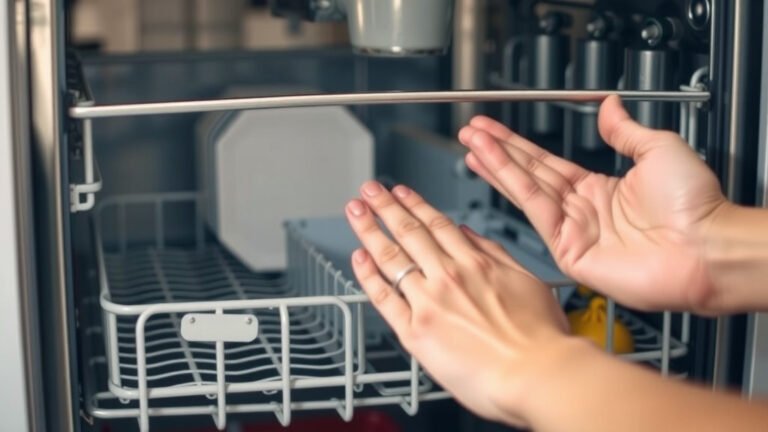
Gently but firmly push on the door to ensure it’s sealed all around. Check the area where the door latches for any food particles or gunk. You can use a damp cloth to clean the latch and strike plate. If the latch itself feels loose or broken, it might need to be replaced.
Investigating Water Supply and Drainage Issues
Your dishwasher needs a consistent supply of water to run its cycles. If it can’t get enough water, or if it can’t drain the dirty water away, it will likely stop. These are often plumbing-related problems that you can sometimes resolve yourself.
The Water Inlet Valve: Gatekeeper of Water Flow
The water inlet valve is what allows water to enter your dishwasher from your home’s water supply. If this valve is faulty, clogged, or not receiving power, water won’t get to the tub. Many manufacturers list a malfunctioning inlet valve as a common failure point.
If you suspect the inlet valve, you can check if water is reaching the machine. First, turn off the power to the dishwasher at the breaker. Then, you’ll need to access the valve, which is usually located at the bottom front of the unit behind a kick plate. You might see a hose connected to it. Ensure the valve is open and the hose isn’t kinked. If you’re comfortable, you can even check for a constant flow of water when the machine is supposed to be filling.
Clearing Out a Clogged Filter: A Breath of Fresh Air (and Water)
Most modern dishwashers have filters designed to catch food particles and debris. If these filters become clogged, they can impede water flow and cause drainage problems. A dirty filter can make your dishwasher work harder and eventually stop. We found that cleaning the filter is one of the simplest, yet most effective, maintenance tasks you can perform.
Consult your dishwasher’s manual for the exact location of the filter. It’s typically at the bottom of the tub, under the lower rack. Once removed, rinse it thoroughly under warm running water. You might need a soft brush to remove stubborn gunk. Reinstall it securely after cleaning.
Drain Hose Obstructions: The Unseen Blockage
If your dishwasher isn’t draining properly, it can also halt the cycle. The drain hose carries dirty water from the tub to your sink’s drain or a separate drainpipe. If this hose gets kinked or clogged, the dirty water can’t escape. This blockage can cause the machine to sense an issue and stop.
Check the drain hose for any visible kinks behind the dishwasher. You can also disconnect the hose (with the power off and a bucket ready for residual water) and try to blow through it or use a long, flexible object to check for blockages. Some blockages might require more effort to dislodge.
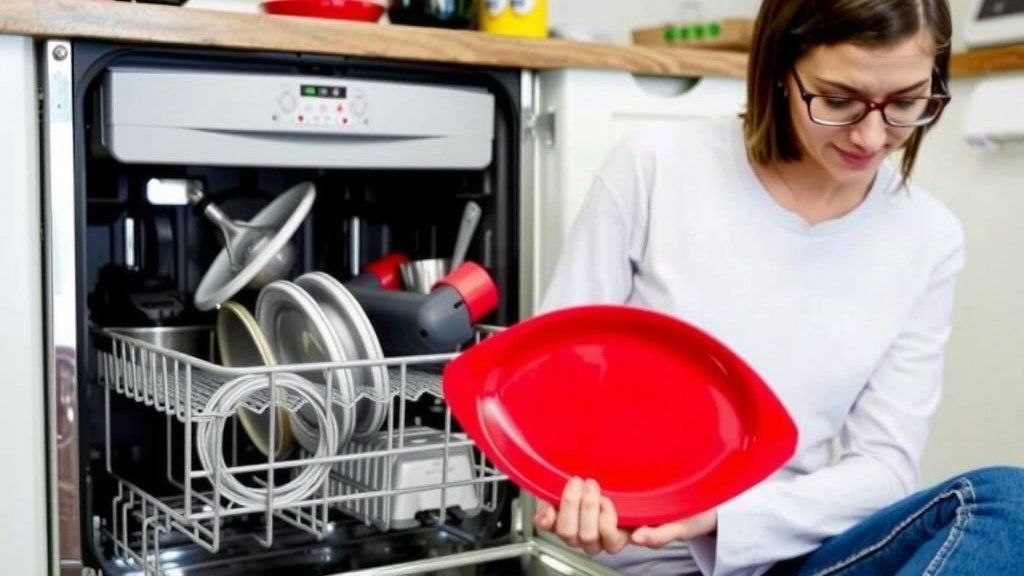
Understanding Error Codes and Sensor Problems
Many dishwashers have digital displays that show error codes when something is wrong. These codes are like a secret language that can tell you exactly what the machine thinks is happening. Ignoring them is like ignoring a check engine light in your car!
Decoding Your Dishwasher’s Error Messages
If your dishwasher’s display lights up with a series of flashing lights or letters/numbers, that’s likely an error code. Your user manual is your best friend here. It will have a section explaining what each code means. Some common codes relate to water fill issues, drainage problems, or heating element malfunctions.
For instance, a code indicating a fill error often points back to the water inlet valve or a problem with the water supply itself. A drainage error code usually means you need to check the filter and drain hose. We found that taking a moment to look up the code can save you a lot of guesswork.
The Role of the Door Latch Sensor
Beyond the physical latch, there’s often a sensor that confirms the door is properly shut. If this sensor is dirty, damaged, or misaligned, it can send incorrect signals to the control board. This is why sometimes even a well-latched door might not register as closed. Cleaning the sensor contacts gently with a soft cloth can sometimes resolve this.
Checklist: Quick Fixes to Try Now
Ready to tackle this? Here’s a quick rundown of the simplest things to check first. You might be able to solve the problem in minutes!
- Check the breaker: Ensure it hasn’t tripped.
- Secure the door: Make sure it latches firmly.
- Clean the filter: Remove and rinse it at the bottom of the tub.
- Inspect the drain hose: Look for kinks or blockages.
- Note any error codes: Consult your manual for explanations.
- Verify water supply: Is your main water valve open?
Conclusion
It’s definitely frustrating when your dishwasher stops mid-cycle, but as we’ve researched and found, most issues stem from simple problems you can tackle yourself. You’ve learned how to check your circuit breaker, ensure the door is latched correctly, and clean out potential clogs in the filter or drain hose. Don’t forget to look for error codes on your display, as they can point you directly to the solution. By following these steps, you’ll likely get your dishwasher back to running smoothly and your dishes sparkling clean without needing a service call.
If you’ve tried these fixes and your dishwasher still won’t complete a cycle, it might be time to consult your appliance’s manual for more specific troubleshooting or consider reaching out to a qualified appliance repair technician.
Frequently Asked Questions
My dishwasher stopped mid-cycle and there’s water still in the bottom. What’s wrong?
This usually means there’s a drainage issue. Your dishwasher might have a clogged filter, a kinked drain hose, or a problem with its drain pump. We recommend checking your filter and drain hose first, as these are common culprits for preventing water from exiting the tub.
Can a power outage cause my dishwasher to stop mid-cycle?
Yes, a temporary power outage or a tripped circuit breaker can certainly interrupt a cycle. If your dishwasher stopped during a power fluctuation, check your home’s breaker box to ensure the dishwasher’s circuit hasn’t tripped. Resetting the breaker is often all you need to do.
What does it mean if my dishwasher stops and makes a humming noise?
A humming noise often indicates that the motor is trying to run but is blocked from doing so. This could be due to a foreign object in the pump or a clog in the drain system. You may need to investigate the drain hose and pump area for obstructions.
How often should I clean my dishwasher filter?
We found that cleaning your dishwasher filter regularly, about once a month, can prevent many common mid-cycle stops. If you notice your dishes aren’t getting as clean or if your dishwasher is having trouble draining, it’s a good time to check and clean the filter.
My dishwasher’s display is blank after it stopped. What should I check?
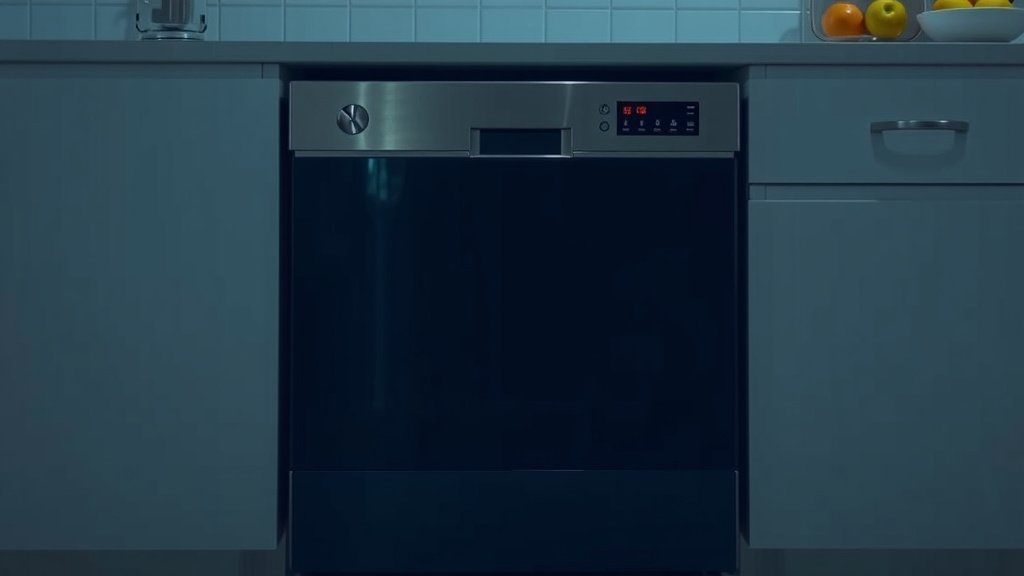
If the display is blank, it strongly suggests a power issue. Your first step should be to check the circuit breaker that powers your dishwasher. If the breaker is fine, there might be a problem with the door latch or the dishwasher’s internal power supply, which could require professional attention.