Integrated vs Freestanding Dishwasher: Which is Right for You
Choosing between an integrated and a freestanding dishwasher really boils down to your kitchen’s design and your personal preference. An integrated dishwasher hides completely behind your cabinetry for a uniform look, while a freestanding model is a standalone unit that can be placed almost anywhere. Both get your dishes sparkling clean, but they impact your kitchen’s aesthetic differently.
Many homeowners wonder which type is “better.” The truth is, neither is universally superior. Your best choice depends on your priorities, like achieving a sleek, built-in appearance or needing more flexibility in kitchen layout. We found that understanding these differences helps make the decision much clearer for your home.
- Integrated dishwashers are hidden behind cabinet panels.
- Freestanding dishwashers are standalone units.
- Your kitchen’s look is the biggest deciding factor.
- Both types clean dishes effectively.
Let’s walk through the key differences between integrated and freestanding dishwashers to help you decide which one is the perfect fit for your kitchen.
So, you’re standing in your kitchen, perhaps dreaming of spotless plates and a tidy space, but you’re staring at a blank spot where a dishwasher should be. Or maybe you’re renovating and trying to figure out what kind of dishwasher will best suit your dream kitchen. This is where the integrated versus freestanding dishwasher debate comes in. Let’s break down what each one offers, so you can make the best choice for your home.
Deciding Between Built-In and Standalone Dishwashers
The main difference really comes down to how the dishwasher looks and fits into your kitchen’s overall design. Think of it like choosing between custom-fit cabinets and a stylish standalone appliance. Both get the job done, but their visual impact is quite different.
What Exactly is an Integrated Dishwasher?
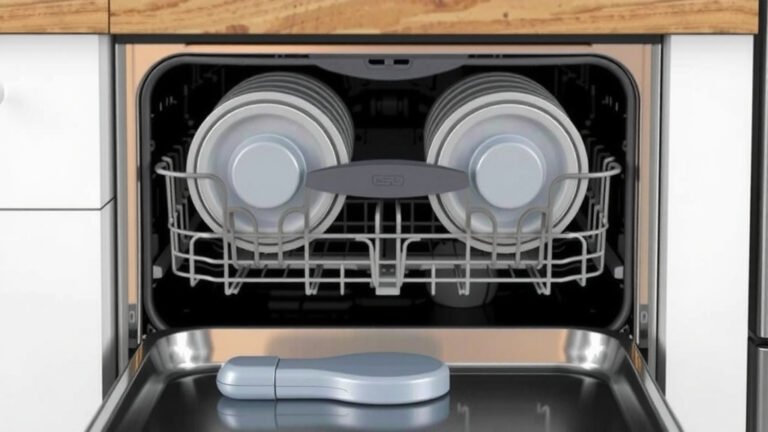
An integrated dishwasher, sometimes called a fully integrated or built-in model, is designed to disappear. You won’t see its controls or the appliance itself once it’s installed. This is because it’s completely hidden behind custom cabinet panels that match your kitchen’s existing cabinetry. The control panel is usually located on the top edge of the door, which is only visible when the door is open. This creates a sleek, uninterrupted look.
The Look and Feel of Integrated
If you’re aiming for a minimalist kitchen or a very modern aesthetic, an integrated dishwasher is your go-to. It contributes to a streamlined appearance. You know, the kind you see in magazines where the kitchen looks like one cohesive unit? That’s often the magic of integrated appliances. We found that homeowners often choose this for its ability to blend in perfectly, making the kitchen feel more spacious and ordered.
Installation and Access
Installing an integrated dishwasher does require a bit more planning. Your cabinet maker or installer will need to create specific doors to match your other cabinets. Accessing the controls is done by opening the door slightly. This means you can’t quickly check the cycle status at a glance. You’ll need to remember if you started it or not unless you develop a good routine.
What Exactly is a Freestanding Dishwasher?
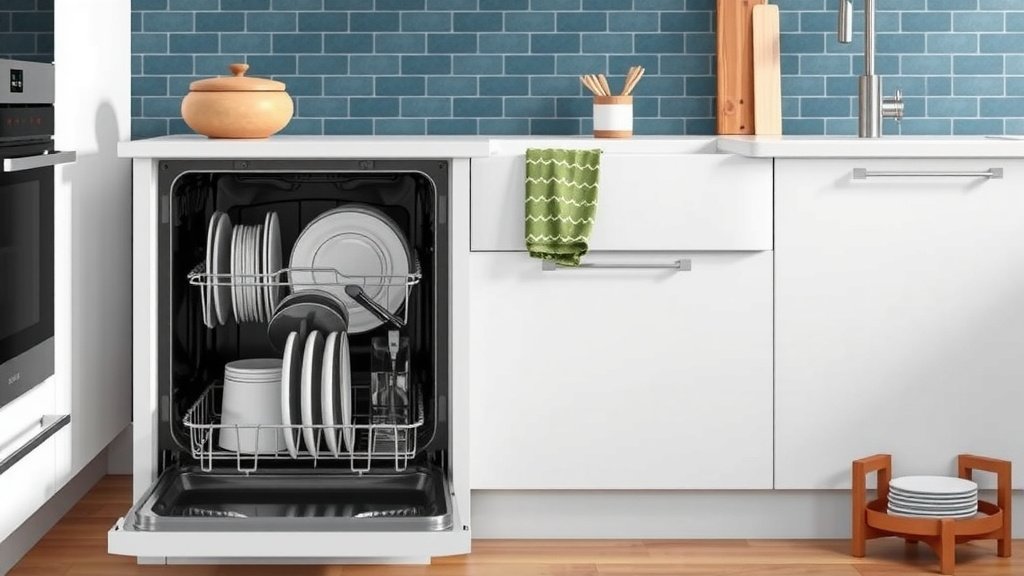
A freestanding dishwasher is a self-contained unit. It has its own finished exterior panels and can be placed on its own, typically under a countertop. You can usually identify it by its visible control panel on the front of the door. These are the most common type of dishwashers you’ll find.
The Look and Feel of Freestanding
Freestanding models are often available in various finishes, like stainless steel, black, or white, to match other appliances. They offer a more traditional kitchen appliance look. If your kitchen already has a mix of appliances, or you prefer a more utilitarian feel, a freestanding unit is a great option. They are more adaptable to different kitchen layouts.
Installation and Access
Installation is generally simpler. It just needs to be connected to water and drainage, and placed in its spot. The controls are right there on the front, making it easy to see and operate. You can often see indicator lights showing if it’s running, how much time is left, or if it’s finished. We found that this ease of access is a major plus for many households.
Key Differences Explained
Let’s get down to the nitty-gritty. While both will clean your dishes, the differences lie in their appearance, installation, cost, and flexibility.
Aesthetics and Design Integration
This is where the biggest divergence lies. Integrated dishwashers are all about achieving that seamless built-in look. Your kitchen designer will ensure the dishwasher panels perfectly match your cabinetry, making it virtually invisible. For those who crave a high-end, uniform kitchen, this is the ultimate choice. Freestanding dishwashers, on the other hand, are visible appliances. While they can be stylish, they are still distinct units within your kitchen’s design. Many people choose stainless steel to match other appliances for a cohesive look, but it’s still an appliance you see.
Installation and Plumbing Requirements
Both types require standard plumbing connections for water supply and drainage. However, the cabinetry work for an integrated dishwasher is more involved. You’ll need custom door panels made to fit the appliance. Freestanding units typically slide into an existing space or can be placed where there’s clearance. We found that the installation cost for integrated models can be slightly higher due to the custom cabinetry work involved.
Cost Considerations
Generally, integrated dishwashers tend to be slightly more expensive than their freestanding counterparts. This price difference often reflects the engineering that allows for such a flush, hidden integration and the fact that they usually come with higher-end features. The cost of custom cabinetry to match your kitchen also adds to the overall expense of an integrated model.
Usability and Convenience
When it comes to day-to-day use, freestanding dishwashers often win on sheer convenience. The control panel is readily accessible. You can see at a glance if the machine is running, and you can easily change settings. With an integrated model, you need to open the door to interact with the controls, which can be a minor inconvenience for some. Some newer integrated models have external indicators, but they are not as prominent as a full front panel. Learn how your dishwasher handles drying dishes effectively.
Which Type Is Right For Your Kitchen?
The choice between an integrated and a freestanding dishwasher really depends on what you prioritize for your kitchen space.
When to Choose an Integrated Dishwasher
- You desire a highly streamlined, minimalist, or modern kitchen design.
- You want the dishwasher to blend in and be virtually invisible.
- Budget is less of a concern, and you’re investing in a high-end kitchen aesthetic.
- You don’t mind opening the door slightly to access controls and check status.
When to Choose a Freestanding Dishwasher
- You prefer a more traditional kitchen appliance look.
- You need more flexibility in placement or may move the appliance in the future.
- You prioritize easy access to controls and status indicators.
- You are working with a tighter budget or looking for a more straightforward installation.
- Your kitchen already has a mix of appliances and you want to match a specific finish.
We found that for many homeowners, the decision hinges on the balance between design aspirations and practical everyday use. Think about your kitchen’s current state and your future vision for it. What’s most important to you: a perfectly uniform look, or the ease of a readily visible appliance?
Here’s a quick checklist to help you decide:
- Do you want your dishwasher to disappear behind cabinets?
- Is a minimalist, uninterrupted kitchen your design goal?
- Do you prefer easily visible controls and status lights?
- What is your budget for the appliance and installation?
- How important is matching the finish to your other appliances?
- Are you okay with opening the door to operate the dishwasher?
Conclusion
Deciding between an integrated and a freestanding dishwasher is a choice that beautifully balances your kitchen’s aesthetics with your daily needs. If a sleek, uniform look is your top priority and you love a minimalist vibe, an integrated model offers that custom-built feel. For those who value easy access to controls and greater installation flexibility, a freestanding unit is likely your best bet. We found that understanding your personal style and practical usage preferences is key. Take a moment to picture your ideal kitchen, and let that guide you to the perfect dishwasher for your home.
Frequently Asked Questions
Can I install an integrated dishwasher if I don’t have custom cabinets?
Typically, no. Integrated dishwashers are designed to be hidden behind cabinet panels that match your existing kitchen cabinetry. You would need to have custom doors created by a cabinet maker to achieve the intended built-in look.
Are integrated dishwashers harder to repair?
Repairing an integrated dishwasher can be slightly more complex because you first need to remove the custom cabinet panels. This adds an extra step for technicians compared to accessing a freestanding unit.
Will a freestanding dishwasher look out of place in a modern kitchen?
Not necessarily. Many modern freestanding dishwashers come in sleek finishes like stainless steel or black stainless steel that can complement a contemporary kitchen design. The key is coordinating its finish with your other appliances.
Can I switch from a freestanding to an integrated dishwasher later?
Yes, but it often requires modifications. If you’re replacing a freestanding unit with an integrated one, you’ll likely need to adjust your cabinetry to accommodate the built-in appliance and its specific door panel requirements.
Which type of dishwasher is generally quieter?
Both integrated and high-end freestanding dishwashers can be very quiet. However, the extra insulation and cabinet enclosure of an integrated model can sometimes offer a slight advantage in noise reduction, making it blend into the kitchen soundscape more effectively.