Dishwasher Safe? Can You Put Wooden Utensils In
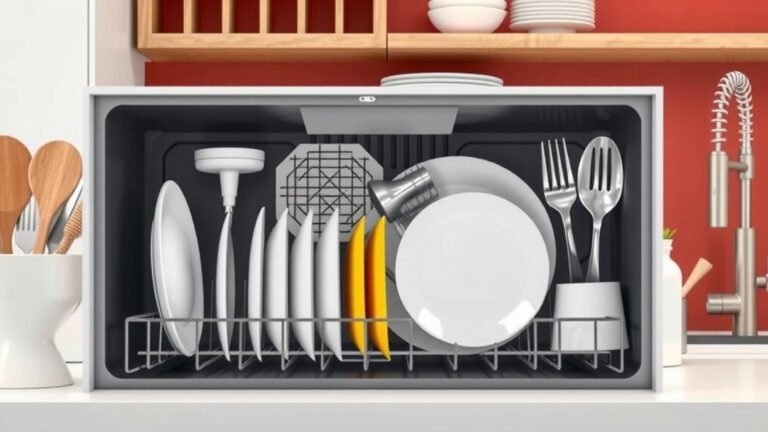
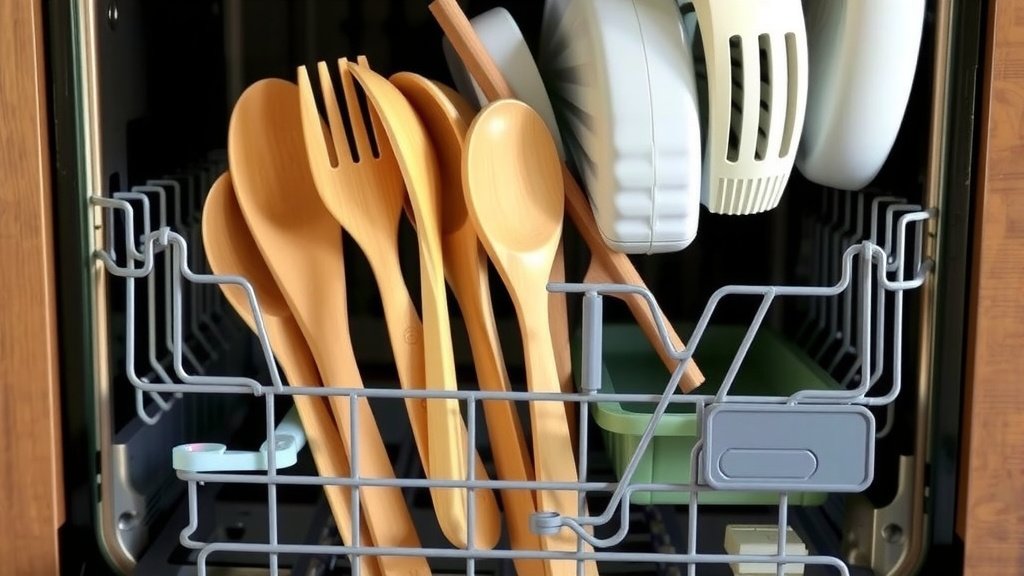
Generally speaking, no, you shouldn’t put wooden utensils in the dishwasher. The intense heat and moisture can cause them to crack, warp, and lose their protective finish. This can lead to splintering and unsanitary conditions over time.
While it might seem like a convenient shortcut, dishwashers can be quite harsh on natural materials like wood. We found that consistent dishwasher use can significantly shorten the lifespan of your favorite wooden spoons and spatulas. They often end up looking dry, faded, and even a bit rough.
- Wooden utensils are best cleaned by hand.
- Dishwashers can cause wood to crack and warp.
- Hot water and harsh detergents strip natural oils.
- Handwashing preserves the wood’s natural finish.
Let’s dive into why this is the case and the best way to care for your wooden kitchen tools to keep them in great shape.
You’ve got those lovely wooden spoons and spatulas, haven’t you? They feel so nice in your hand. But then comes the dreaded pile of dishes. A quick thought pops into your head: “Can I just toss these wooden wonders into the dishwasher?” Let’s get straight to the point.
How Dishwashers Treat Your Wooden Kitchen Tools
The short answer is: it’s generally not a good idea to put wooden utensils in your dishwasher. We’ve found that they often don’t fare well in that hot, steamy environment. Your favorite wooden salad servers or a sturdy cutting board might not survive the cycle intact. The harsh conditions can lead to more than just a cosmetic issue.
The Science Behind the Damage
Dishwashers use very hot water, typically between 130-170°F (54-77°C). They also blast your dishes with powerful detergents. This combination is tough on wood. Think of it like this: wood is a natural material with pores. These pores can absorb moisture.
Moisture and Heat: A Bad Mix
When wood absorbs too much water, it swells. Then, the high heat of the drying cycle causes it to shrink rapidly. This constant swelling and shrinking puts a lot of stress on the wood fibers. Over time, this can cause the wood to crack or even warp out of shape. We’ve seen wooden spoons get a bit warped, making them harder to use. This is a common outcome for many households that try this method.
The Detergent’s Effect
Dishwasher detergents are strong for a reason – they need to cut through grease and food particles. However, they can also strip away the natural oils that keep wood healthy and moisturized. Without these oils, the wood becomes dry and brittle. It’s like drying out your skin with harsh soap; it loses its suppleness.
What Happens to Your Wooden Utensils?
You might notice a few things happening to your wooden tools after a dishwasher cycle. First, they might start to look dull and faded. The beautiful natural color of the wood can disappear. Then, you might see those dreaded cracks start to form. Sometimes, these are small lines, but they can grow larger with repeated exposure.
We found that split or cracked wood is not only unsightly, but it can also become a breeding ground for bacteria. Tiny food particles can get trapped in the cracks. This makes it much harder to keep your utensils clean and sanitary. Many guidelines from food safety experts suggest avoiding cracked utensils altogether (CDC).
Why Handwashing is the Best Approach
Taking a few extra minutes to handwash your wooden utensils makes a world of difference. It’s the tried-and-true method for a reason. It preserves the integrity and lifespan of the wood. Plus, it’s a gentle way to clean. You’re not subjecting them to extreme temperatures or harsh chemicals.
Gentle Cleaning for Lasting Utensils
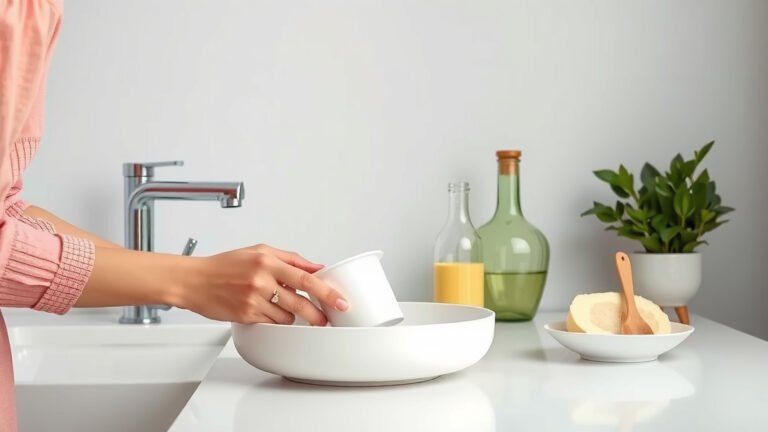
When you handwash, you can use mild dish soap and warm water. A soft sponge or cloth is all you need. This allows you to clean them thoroughly without damaging the wood. After washing, you can simply wipe them dry with a clean towel. This prevents excess moisture from lingering on the surface.
The Importance of Drying
Proper drying is key. Letting wooden utensils air dry for too long can also be problematic. If they sit in a pool of water, they can still absorb too much moisture and warp. Towel-drying them right after washing is a simple step that really helps. We found that this small habit significantly extends the life of wooden items.
Maintaining the Wood’s Natural Finish
Many wooden utensils are treated with food-safe oils or waxes. This finish protects the wood and gives it a beautiful sheen. Dishwashers, with their intense heat and harsh detergents, can strip this protective layer away. This leaves the wood vulnerable.
Handwashing allows you to maintain this finish. You can even re-oil your wooden utensils periodically. This process, often called “seasoning,” replenishes the natural oils. It keeps the wood from drying out and cracking. It’s like giving your wooden tools a spa treatment! Many cooking blogs and culinary experts recommend regular oiling for wooden cutting boards and utensils.
What About “Dishwasher-Safe” Wood?
You might see some wooden products advertised as “dishwasher-safe.” This usually means they have undergone specific treatments. These treatments might involve special sealants or dense wood types. However, even with these treatments, repeated dishwasher use can still take a toll. We’ve found that while they might last longer than untreated wood, they still won’t last as long as hand-washed items.
If you choose to risk it with a “dishwasher-safe” item, we recommend using the top rack. Avoid the heated drying cycle if your dishwasher has that option. Consider it a rare treat, not a daily routine. For most standard wooden utensils, though, it’s best to stick to the gentle handwash.
A Quick Care Checklist for Your Wooden Utensils
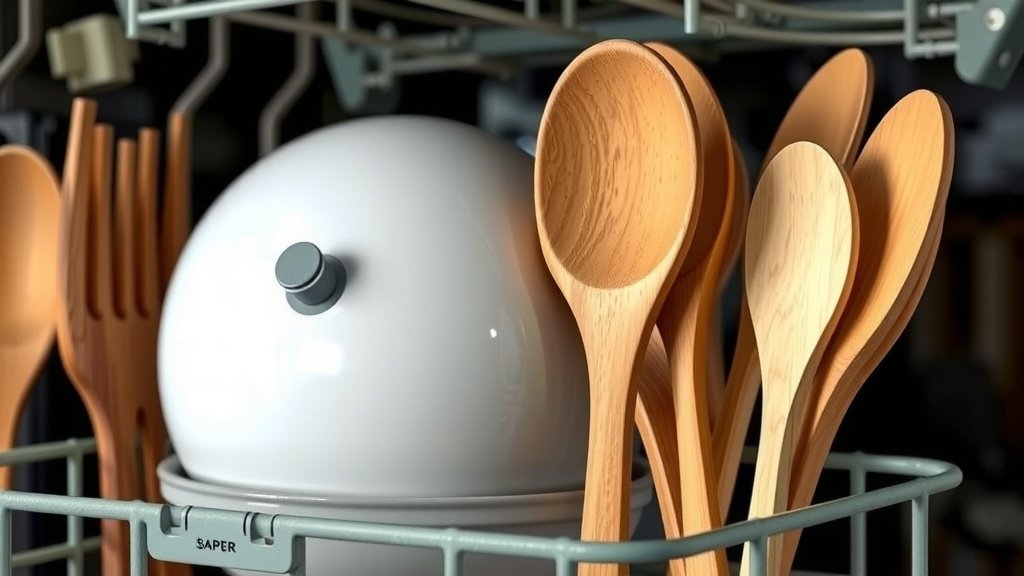
To keep your wooden spoons, spatulas, and cutting boards in top shape, follow these simple steps:
- Wash with warm, soapy water.
- Use a soft sponge.
- Rinse thoroughly.
- Towel dry immediately.
- Oil occasionally to keep wood moisturized.
- Avoid soaking them in water.
Think of your wooden utensils as companions in the kitchen. A little care goes a long way. By opting for handwashing, you’re ensuring they’ll be with you for many delicious meals to come. It’s a small effort for a big return in durability and beauty.
Conclusion
You’ve learned that while your wooden kitchen tools are beautiful and functional, the dishwasher isn’t their friend. The high heat and harsh detergents can lead to cracking, warping, and a stripped finish. Handwashing is the gentle, effective way to keep them clean and preserve their natural oils.
By taking just a few extra moments to wash your wooden utensils by hand, you’re investing in their longevity and ensuring they remain safe and beautiful for countless meals. Make it a habit, and your favorite wooden spoons will serve you well for years to come.
Frequently Asked Questions
How often should I oil my wooden utensils?
We recommend oiling your wooden utensils about once a month, or whenever they start to look dry. This simple step replenishes the wood’s natural oils, preventing it from drying out and cracking. It keeps them moisturized and ready for action.
Can I soak my wooden spoons in hot water?
No, you should avoid soaking wooden utensils in water for extended periods. Prolonged exposure to moisture can cause the wood to swell and potentially warp or crack. A quick wash and thorough drying is always best.
What kind of oil is best for seasoning wooden utensils?
Food-safe mineral oil or specialized wood conditioning oils are excellent choices. Many cooks also find success with beeswax-based conditioners. Avoid using vegetable oils like olive oil, as they can go rancid over time and leave an unpleasant smell.
What should I do if my wooden utensil gets a small crack?
For minor cracks, you can try lightly sanding the area smooth. Then, apply a good quality wood conditioner or food-safe oil to the spot. If the crack is deep or wide, it’s best to retire the utensil, as it may harbor bacteria.
Is it okay to use a dishwasher for wooden cutting boards?
The same rules apply to wooden cutting boards as they do for utensils. Dishwashers can cause them to warp, crack, and become unhygienic. Handwashing and regular oiling are the best practices for maintaining your wooden cutting boards.