
What Heated Dry Means: A Simple Explanation
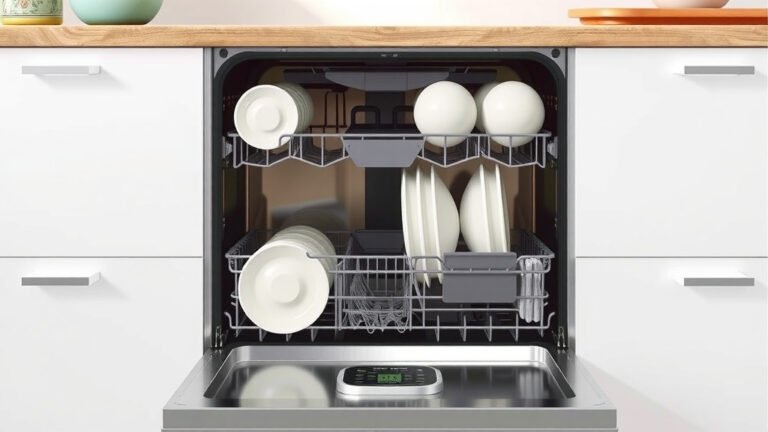
Heated dry means your dishwasher has a special cycle that uses high heat to dry your dishes. This ensures they are completely dry and spot-free. It’s a common feature on many modern dishwashers for better drying performance.
This drying method is often more effective than just relying on residual heat. It helps prevent water spots and streaks, leaving your dishes sparkling. Many people wonder if it’s worth the extra energy use, but the results are often noticeably cleaner.
- Heated dry uses extra heat to dry dishes.
- It helps prevent water spots and streaks.
- Many dishwashers offer this as an option.
- It generally provides better drying results.
Let’s break down what heated dry really means for your dishes and your dishwasher. We’ll cover how it works and if you should use it.
How Your Dishwasher Gets Dishes Truly Dry
So, what does heated dry really mean for your dishes? It means your dishwasher is using an extra burst of heat to get them bone dry. Think of it like a mini-sauna for your plates and cups after the wash cycle. This isn’t just about warm dishes; it’s about preventing that annoying water spotting.
Many dishwashers use this feature to ensure a better overall clean. You won’t have to spend extra time toweling off glasses. It’s a simple yet effective way to improve your dishwashing results.
The Science Behind the Heated Dry Cycle
Your dishwasher’s heated dry cycle works in a few key ways. After the main wash and rinse cycles, the machine drains the water. Then, it activates a heating element, usually located at the bottom of the tub. This element heats the air inside the dishwasher. Some models might also use a fan to circulate this hot air.
How the Heating Element Works
The heating element in your dishwasher is similar to the one in your oven. It gets hot when electricity passes through it. In a heated dry cycle, this element turns on and heats the air inside the closed dishwasher tub. This hot air then helps evaporate the remaining moisture from your dishes.
The Role of Air Circulation
Some advanced dishwashers take it a step further. They might include a fan. This fan helps to move the hot air around all the dishes. It ensures that every nook and cranny gets exposure to the heat. This speeds up the drying process and makes it more efficient. You’ll find fewer damp spots this way.
Condensation Drying vs. Heated Drying
It’s helpful to know the difference between heated drying and condensation drying. Condensation drying relies on the heat from the final rinse. The hot dishes then heat the air inside. This warm, moist air rises and condenses on the cooler stainless steel tub walls. The water then drips down. It’s a more energy-efficient method but often less effective.
Heated drying, on the other hand, actively adds heat. It doesn’t just rely on residual warmth. This makes it much better at tackling stubborn water droplets. For those who hate water spots, heated dry is often the preferred drying method.
Why Choose the Heated Dry Option?
You might be wondering if this extra step is really necessary. The main benefit is clear: sparkling, dry dishes. If you’ve ever pulled out a load of dishes only to find water clinging to them, you know the frustration. Heated dry aims to eliminate that problem.
It’s particularly useful for items that tend to hold water. Think of plastic containers or dishes with deep grooves. These can be challenging for less intense drying methods. Heated dry provides that extra power to get them ready for the cupboard.
Eliminating Water Spots and Streaks
Water spots are caused by mineral deposits left behind when water evaporates. Streaks are similar, often from detergent residue. The high heat of the heated dry cycle helps water evaporate more quickly. This leaves less time for minerals to deposit. It also helps any lingering detergent film to dry away.
Many manufacturers recommend using heated dry for the best aesthetic results. Your glasses will look clearer. Your silverware will gleam. It’s a small feature that makes a big difference in appearance.
Is Heated Dry More Hygienic?
While not its primary purpose, heated dry can contribute to a more hygienic load. High heat can help kill certain bacteria. The U.S. Department of Agriculture (USDA) notes that washing dishes at temperatures above 140°F (60°C) can kill many common household germs. The heated dry cycle, by using high temperatures, can help reduce microbial presence on your dishes further.
However, it’s important to remember that the wash cycle itself is doing most of the heavy lifting for sanitation. Heated dry is more about the final polish. It ensures those cleaned dishes are also thoroughly dried, preventing moisture where germs can sometimes thrive.
Understanding Your Dishwasher’s Settings
Most modern dishwashers offer a heated dry option. You’ll usually find it as a button or a setting on your control panel. Sometimes, it’s automatically included with certain cycles, like “Heavy Duty” or “Pots & Pans.” Other times, you can select it as an add-on to a standard wash.
Where to Find the Heated Dry Setting
Check your dishwasher’s manual if you’re unsure. Often, there’s a specific button labeled “Heated Dry,” “Sanitize Dry,” or something similar. On some digital displays, you might have to navigate through a menu. Look for icons that suggest heat or drying.
If your dishwasher doesn’t have a dedicated heated dry button, don’t worry. Many newer models use advanced condensation drying. They are designed to be more efficient. They might not need the extra heating element to get your dishes dry.
Heated Dry vs. Other Drying Methods
Let’s compare heated dry to other common drying methods. Understanding these differences can help you choose the best option for your needs.
| Method | How it Works | Pros | Cons |
|---|---|---|---|
| Heated Dry | Uses a heating element and sometimes a fan to evaporate water. | Excellent drying, prevents spots and streaks, can sanitize. | Uses more energy, can sometimes damage plastics. |
| Condensation Dry | Uses residual heat from the final rinse and tub material to dry. | Energy-efficient, gentler on plastics. | May leave some moisture, can take longer, not as effective for tough spots. |
| Air Dry / Fan Assist | Relies on ambient air circulation, sometimes with a fan, after the cycle. | Very energy-efficient, safe for all materials. | Least effective drying, dishes may remain damp. |
Energy Consumption Considerations
The primary drawback of heated dry is its energy use. Heating elements consume electricity. Running this cycle means your dishwasher will use more power than just air drying. For those very conscious of their energy bills or environmental impact, this might be a factor.
However, many modern dishwashers are quite efficient. The extra energy used for heated dry is often minimal compared to the overall energy consumption of the appliance. The convenience and superior drying results might outweigh the slight increase in your electricity bill. You can often choose to turn it off if energy saving is your priority.
Impact on Different Dishware Materials
While effective, the intense heat of a heated dry cycle can sometimes be tough on certain materials. Plastics, in particular, can warp or become misshapen if placed too close to the heating element. Always check your plastic items for dishwasher-safe symbols.
For most ceramics, glass, and metal items, heated dry is perfectly safe. It’s designed to handle the temperatures involved. If you frequently wash delicate plastics or have concerns, you might opt for a condensation or air dry cycle for those loads.
Tips for Maximizing Your Heated Dry Results
Want to get the absolute best from your heated dry cycle? A few simple tips can help ensure your dishes come out perfectly dry and spot-free every time.
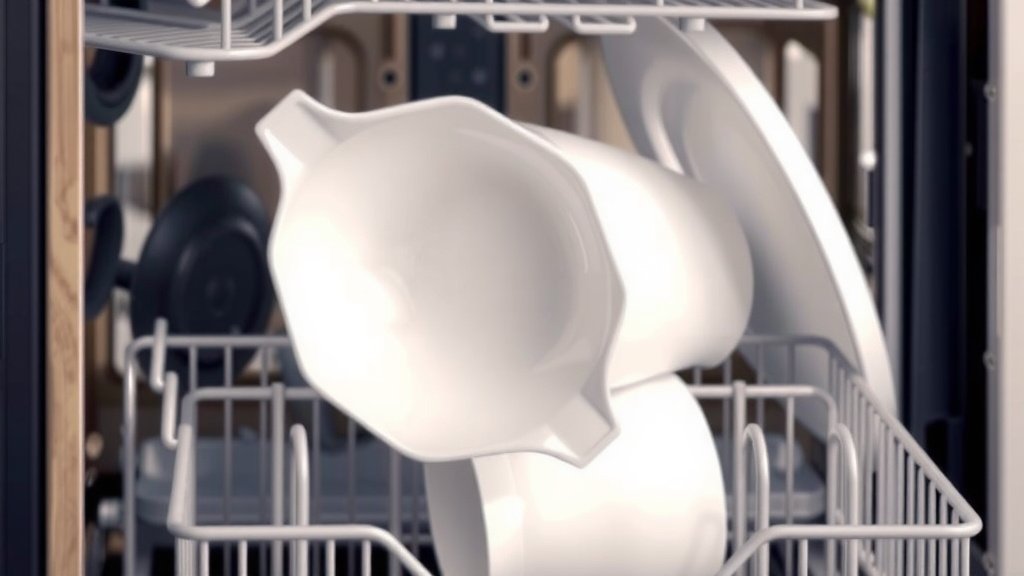
- Proper Loading: Don’t overcrowd the dishwasher. Ensure water can reach all surfaces. Allow space for air to circulate.
- Placement of Plastics: Keep plastic items away from the heating element at the bottom. Place them on the top rack.
- Rinse Aid: Using a rinse aid is still a great idea. It helps water sheet off dishes more effectively, aiding any drying method.
- Clean Filter: A clean filter helps your dishwasher run efficiently. It ensures water drains properly before the drying cycle starts.
- Check Your Seal: Ensure the dishwasher door seal is clean and intact. A good seal helps trap the hot air inside for effective drying.
Is Heated Dry Always Necessary?
Not necessarily! If your dishwasher has a highly efficient condensation drying system, you might not miss the heated dry element. Many newer models achieve excellent results without it. If you’re happy with how your dishes come out using your current settings, then heated dry might not be a priority.
However, if you consistently find water spots or damp dishes, enabling the heated dry option can be a game-changer. It’s a feature that offers a noticeable improvement in drying performance for many users. It’s about achieving that perfect, ready-to-store finish on your cookware.
A Quick Checklist for Better Dish Drying
Here’s a quick rundown to help you achieve perfectly dry dishes:
- Check if your dishwasher has a dedicated heated dry option.
- Consider enabling heated dry for spot-free results.
- Load your dishwasher correctly to allow airflow.
- Use rinse aid for better water sheeting.
- Keep plastic items on the top rack.
- Ensure your dishwasher filter is clean.
Conclusion
So, heated dry is your dishwasher’s way of giving your dishes an extra boost for a perfectly spot-free finish. We’ve seen how it uses heat and sometimes fans to evaporate every last drop of water, making it great for preventing those annoying water spots. While it uses a bit more energy, the results are often worth it for sparkling glasses and ready-to-store plates. If you’re looking to upgrade your dishwashing game and want your dishes to come out truly dry, consider using this feature. Next time you run your dishwasher, check your settings and give heated dry a try for that extra shine!
Frequently Asked Questions
Does heated dry use a lot more electricity?
Heated dry cycles do use more electricity because they activate the heating element. However, modern dishwashers are designed for efficiency. The extra energy consumed is usually quite small and often worth it for the superior drying results you’ll get.
Can heated dry damage my plastic dishes?
There’s a risk that intense heat could warp some plastics, especially if they’re placed too close to the heating element at the bottom of the dishwasher. It’s always best to check if your plastic items are dishwasher-safe and place them on the top rack to be safe.
Is heated dry better than condensation drying?
Heated dry is generally more effective at getting dishes completely dry and preventing water spots compared to condensation drying. Condensation drying relies on residual heat, while heated dry actively adds heat for faster evaporation.
Should I use rinse aid with the heated dry cycle?
Yes, using a rinse aid is still a great idea! Rinse aid helps water sheet off your dishes more easily, which aids any drying method, including heated dry. This means even fewer water spots and a quicker drying process.
My dishwasher doesn’t have a heated dry button, what should I do?
Many newer dishwashers use advanced condensation drying methods and achieve excellent results without a dedicated heated dry button. If your dishes come out dry and spot-free with your current settings, you might not need it. If not, check your manual for alternative drying options or consider if your dishwasher’s drying system is performing optimally.