Countertop Dishwasher: Your Guide to Small Space Cleaning
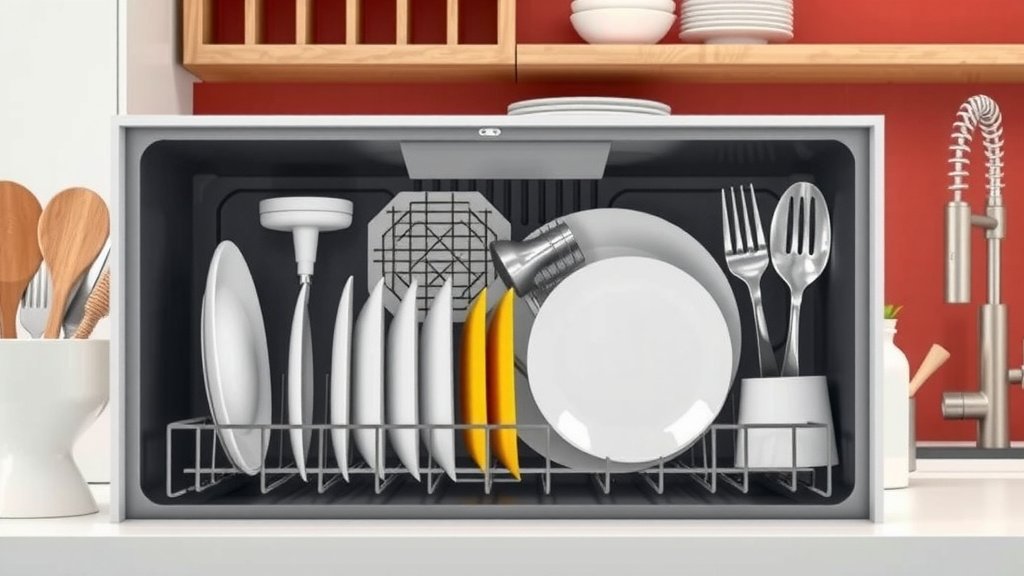
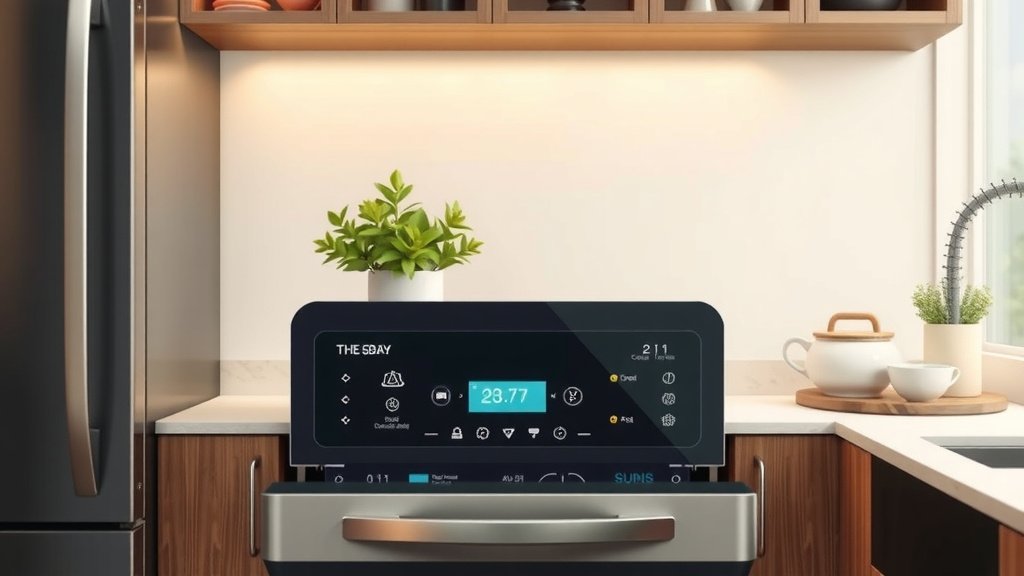
A countertop dishwasher is a compact appliance that sits on your kitchen counter or table. It offers a convenient way to wash dishes without needing a full-sized dishwasher. These handy units are perfect for small kitchens or for individuals who don’t generate a lot of dirty dishes.
Think of it as a mini-dishwasher, ready to tackle your plates and cups. Many models connect directly to your faucet, making installation a breeze. You can find countertop dishwashers that are surprisingly quiet and energy-efficient.
- What it is: A small, portable dishwasher for your counter.
- Who it’s for: Small kitchens, apartments, or light dish-washing needs.
- How it works: Connects to faucet for water; drains into sink.
- Benefits: Saves space, convenient, easier than hand-washing.
- Things to consider: Capacity, faucet connection, drying method.
Ready to see if a countertop dishwasher is the right fit for your kitchen? Let’s dive into what makes these compact cleaners so popular.
Understanding the Countertop Dishwasher
So, what exactly is a countertop dishwasher? Think of it as your miniature kitchen helper. It’s a standalone appliance designed to sit on your kitchen counter or a sturdy table. Unlike a full-sized dishwasher that’s built into your cabinetry, this is a portable solution. It’s ideal if you have limited kitchen space or simply don’t wash enough dishes to fill a larger machine.
You might be wondering if it really works as well as a big dishwasher. In many cases, yes! These compact units are engineered to get your dishes sparkling clean. They use the same basic principles of spraying hot water and detergent. The main difference is their smaller capacity and less complex setup.
How a Countertop Dishwasher Works Its Magic
Getting a countertop dishwasher up and running is surprisingly simple. Most models are designed for easy hookup. You typically connect them directly to your kitchen faucet. This provides both the hot water needed for cleaning and the drain for dirty water.
Water Inlet Connection: You’ll usually find an adapter that screws onto your faucet. This connects a hose from the dishwasher to your faucet. When you turn on the hot water at your tap, the dishwasher fills. Some newer models may offer a direct plumbing option, but faucet connection is the most common.
Drainage: The dirty water doesn’t just sit there. It’s pumped out through another hose. This hose usually rests in your sink. So, the water drains directly into your sink basin. It’s a straightforward process that requires no permanent installation.
Power: Like any appliance, it needs electricity. You’ll plug it into a standard wall outlet. Just make sure you have an outlet conveniently located near where you plan to place the dishwasher.
The Cleaning Cycle Explained
Once connected and loaded, the cycle begins. The dishwasher draws water, heats it if necessary (though many rely on your hot tap water), and sprays it onto your dishes. Detergent is dispensed, and the water jets scrub away food particles. After the wash, the dirty water is drained, and then a rinse cycle occurs. Finally, the dishes are typically dried.
Drying Methods: How do they dry? Some use a heating element, similar to larger dishwashers. Others rely on residual heat from the wash and rinse cycles, sometimes with a fan to circulate air. Some simply let your dishes air dry after the final rinse.
Who Benefits Most from a Countertop Dishwasher?
These compact cleaners are a fantastic solution for a specific set of needs. If you’re nodding along to any of these, you might be a perfect candidate:
- Apartment Dwellers: Space is often at a premium in apartments. A countertop model fits perfectly where a full-sized dishwasher can’t.
- Small Households: If you live alone or with just one other person, you might not generate enough dishes daily to fill a large machine. A countertop unit saves water and energy.
- RV or Dorm Room Users: These portable dishwashers are great for situations where kitchen facilities are limited or non-existent.
- Light Dishwashing Needs: Maybe you prefer hand-washing pots and pans but want help with plates, glasses, and cutlery.
- Second Dishwasher: Some larger homes use a countertop model as a secondary option for entertaining or for quick washes.
Comparing Countertop Dishwashers to Other Options
It’s helpful to see how these compare. What are your other choices, and why might a countertop model be better?
Vs. Hand Washing
Let’s be honest, hand washing can be a chore. You stand at the sink, scrubbing away. It uses a lot of hot water. Studies have shown that hand washing dishes can use significantly more water than a dishwasher, especially if you let the water run (Consumer Reports). A countertop dishwasher can be more water-efficient for similar loads.
Plus, imagine the time saved! Instead of washing, drying, and putting away, you just load it up. This frees you up for other things. It’s a matter of convenience and efficiency for many people.
Vs. Full-Sized Built-In Dishwashers
The most obvious difference is size. Full-sized dishwashers typically hold 12-16 place settings. A countertop model usually holds 4-6 place settings. This means if you have a large family or entertain frequently, a full-sized unit is likely a better choice for you.
Installation is another key difference. Full-sized dishwashers require dedicated plumbing and electrical connections. This often means professional installation. Countertop models are plug-and-play, making them much more accessible.
| Feature | Countertop Dishwasher | Full-Sized Dishwasher |
|---|---|---|
| Capacity | 4-6 place settings | 12-16 place settings |
| Installation | Faucet connection, plug-in | Dedicated plumbing, electrical |
| Space Required | Countertop space | Cabinet space |
| Portability | High | None |
| Ideal For | Small households, apartments | Larger families, frequent entertainers |
Vs. Drawer Dishwashers
Dishwasher drawers are a more integrated solution than countertop models. They are built into your cabinetry, much like a standard dishwasher, but operate as single drawers. You can often run one drawer while the other is being loaded or running.
They offer a more sleek look. However, they are a significant investment and require permanent installation. If you’re looking for a budget-friendly, easy-to-install option, a countertop dishwasher often wins out.
What to Look for When Buying a Countertop Dishwasher
Ready to find the perfect match? Here are a few things to keep in mind. Your goal is to ensure it fits your space and your needs.
Size and Capacity
Measure your counter space carefully. You need enough room for the unit itself, plus clearance for the door to open and for hoses. Consider how many people are in your household and how many dishes you typically generate. A 4-place setting unit is good for one or two people. A 6-place setting unit can handle a bit more.
Faucet Compatibility
Not all faucets are created equal. Most countertop dishwashers come with a universal adapter. However, it’s wise to check your faucet’s threading. If you have a pull-out or spray nozzle faucet, you might need a special adapter or find it trickier to connect. Some research beforehand can save you hassle.
Energy and Water Efficiency
Look for Energy Star certified models. These appliances meet strict energy efficiency guidelines set by the EPA. They can save you money on utility bills over time. Many countertop models are surprisingly efficient, using less water per cycle than you might expect.
Noise Level
If your kitchen is open to your living area, noise can be a factor. Manufacturers often list the decibel (dB) rating. Lower numbers mean a quieter operation. Many modern countertop dishwashers are designed to run relatively quietly, often comparable to their larger counterparts.
Features and Cycles
Do you need just a basic wash, or are you looking for more options? Some models offer different wash cycles like delicate, heavy-duty, or quick wash. Some have delay start options or sanitizing cycles. Think about what features will genuinely make your life easier.
Quick Checklist for Your Countertop Dishwasher Search
Before you buy, ask yourself these questions:
- Do I have enough counter space?
- Is my faucet compatible or easily adaptable?
- How many dishes do I wash daily?
- Is energy efficiency a priority?
- What noise level is acceptable for my space?
- Are there any specific wash cycles I need?
Conclusion
You’ve learned that a countertop dishwasher is a brilliant solution for many kitchens. It offers the convenience of machine washing without the hassle of installation. These compact units are perfect for smaller households, apartments, or anyone looking to save time and water compared to hand washing. They connect easily and fit right on your counter. Your next step is to measure your available counter space and check your faucet type. This will help you choose the perfect countertop dishwasher that fits your needs and makes dish duty a breeze.
Frequently Asked Questions
How much water does a countertop dishwasher actually use?
Countertop dishwashers are designed to be quite water-efficient. Many use around 3-4 gallons of water per cycle, which is often less than washing the same number of dishes by hand with running water. This efficiency makes them an eco-friendly choice for smaller loads.
Can I use my regular dish soap in a countertop dishwasher?
No, you should not use regular liquid dish soap. These units require special dishwasher detergent, which is formulated to create fewer suds. Using regular dish soap can cause excessive foaming and overflow, potentially damaging the appliance.
What if my faucet isn’t compatible with the dishwasher adapter?
If your faucet has a pull-out spray or is not a standard threaded spout, you might need a specific adapter. Many manufacturers offer different adapter kits, or you can often find universal adapters at hardware stores. A quick check of your faucet type can save you a trip.
How long does a typical wash cycle take?
The wash cycle duration can vary by model and the chosen setting. However, most standard cycles on countertop dishwashers typically range from 45 minutes to about 1.5 hours. Some models offer a “quick wash” option for lighter loads that can be completed in under 30 minutes.
Do countertop dishwashers actually get dishes dry?
Yes, most countertop dishwashers do a decent job of drying dishes. Some use a heating element, while others rely on the residual heat from the wash and rinse cycles, often aided by a fan. A small amount of moisture might remain on plastic items, which is common even with larger dishwashers.