Garbage Disposal Installation Cost Guide 2026
You can expect to pay between $200 and $600 total for a professional garbage disposal installation. The final price depends mostly on the unit you choose and whether your current plumbing needs any extra work. If you buy a basic model, the labor alone usually runs $100 to $250.
The cost isn’t just about the machine itself. You also need to factor in the labor fees from a plumber and any parts like a new power cord or drain pipe. We found that DIY installation can save you around $150 on average, but you must be comfortable working under your sink and with simple electrical wiring.
- Average total cost: $200 to $600, with most homeowners paying around $350.
- Unit price: Basic models cost $80–$150; heavy-duty ones run $200–$400.
- Professional labor: Expect to pay $100–$250 if you hire a plumber.
- DIY savings: You can save roughly $150 by installing it yourself.
- Hidden fees: Watch out for extra charges for old unit removal or electrical upgrades.
Below, we break down every part of the cost so you know exactly what to budget for and where you can save some cash.
Breaking Down Garbage Disposal Installation Costs
You have two main cost buckets to worry about: the machine itself and the labor to put it in. We found that the price of the unit is usually the bigger chunk of your total bill. The labor cost stays fairly flat no matter which model you pick.
Most plumbers charge by the job, not the hour, for this kind of work. That means you get a flat quote before they start. You might pay extra if your setup is tricky, like if the old disposal is rusted in place or the wiring is outdated.
The Price of the Disposal Unit Itself
You could spend anywhere from $50 to over $500 on the garbage disposal alone. The price depends on the motor power, the materials, and the noise level. We found that most homeowners pick a mid-range model between $100 and $300.
The motor size is the biggest factor. You will usually see models labeled as 1/3, 1/2, or 3/4 horsepower. A smaller motor is fine for a single person or a couple. A bigger motor handles heavy use and fibrous foods much better.
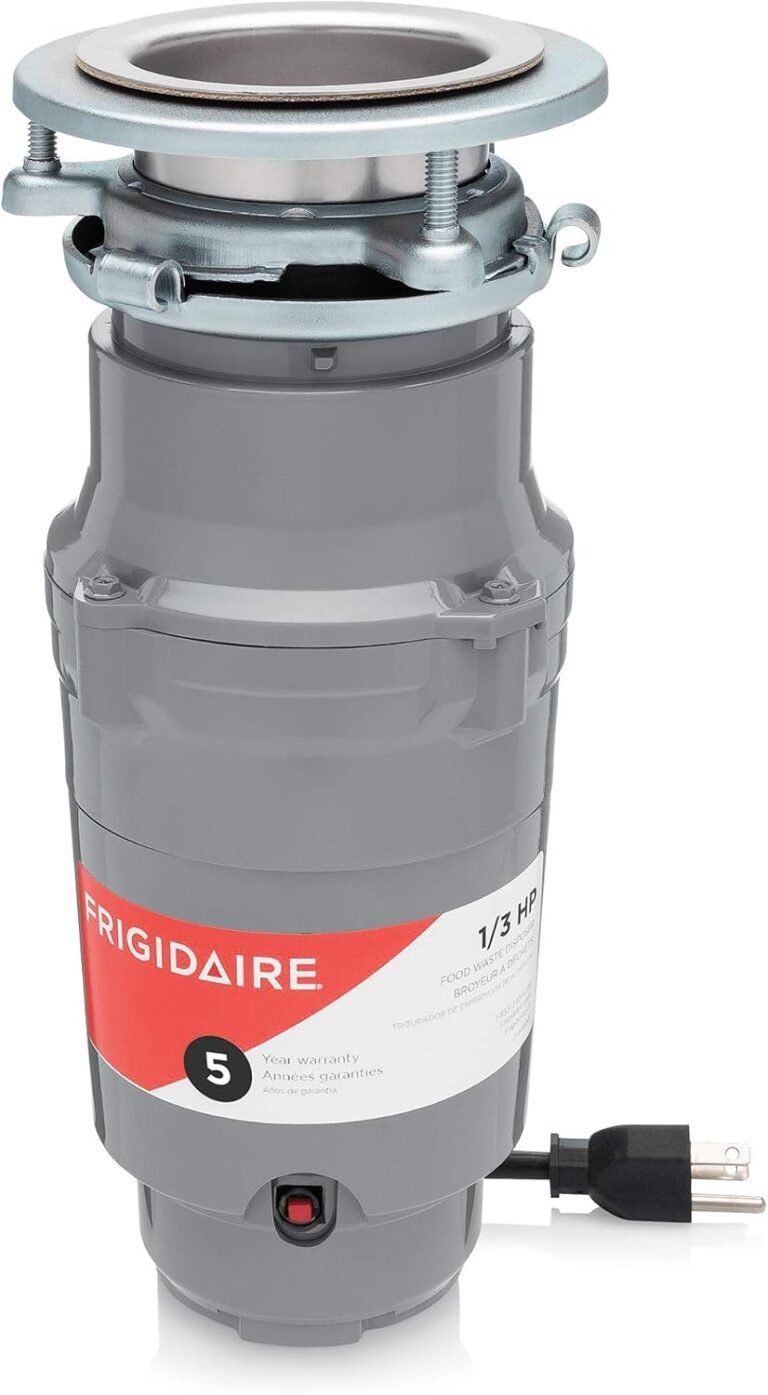
- Budget models ($50–$100): These are usually 1/3 horsepower. They work fine but are louder and jam more easily.
- Mid-range models ($100–$250): You get a 1/2 horsepower motor. This is the sweet spot for most families. It handles normal scraps without fuss.
- Premium models ($250–$500+): These have 3/4 horsepower or more. They are quieter, grind finer, and last longer. Great for heavy home cooking.
Why Brand Names Cost More
You will see big brands like InSinkErator and Waste King at most hardware stores. We found that these brands often cost more for the same specs as generic brands. But you are paying for reliability and warranty support. Many experts say that sticking with a top brand is worth the extra cash for the peace of mind.
Professional Labor Rates for Installation
If you hire a plumber, you can expect labor to run between $100 and $250. The average we found sits around $150 for a straight swap. That price usually includes taking out the old unit and putting in the new one.
Some plumbers charge a flat fee, while others charge by the hour. If they charge hourly, you are looking at a rate between $75 and $150 per hour. A simple install takes one to two hours. So the math works out to about the same in the end.
You should always ask for a written quote before work begins. That protects you from surprise charges. Make sure the quote includes anything like fitting a new power cord or replacing a section of drain pipe.
Extra Fees That Can Push Your Bill Higher
An easy installation is one of the best scenarios. But your kitchen might not cooperate. We found that certain conditions will add to your final bill. Knowing about these in advance helps you budget without panic.
Electrical Work and Wiring Upgrades
Most homes already have a switch connected to the disposal. But some older kitchens don’t, and that is a bigger project. If you need a new electrical line and switch, that can cost $200 to $500 more. A licensed electrician handles this, and it adds a whole extra day to your project timeline. If you need a new switch, our guide to choosing an air switch for garbage disposal explains your options.
Most modern disposals are plug-in models, which makes the wiring simpler. If your house has hardwired connections, you need a conversion kit. That is a small part, around $15 to $30, but the labor to install it adds a bit to your bill.
Removal and Disposal of the Old Unit
Many plumbers include basic removal in their quote. But that’s not always the case. Some will charge an extra $25 to $75 to haul away the old unit. This matters if you are replacing a broken disposal rather than installing one for the first time.
Ask about this fee right at the start. It is a small add-on, but it feels annoying if it shows up as a surprise. Always confirm that the quoted price covers the full remove-and-replace job.
Simple DIY Installation — What It Takes
Removing and installing a garbage disposal is a project we found is doable for most handy homeowners. You need basic tools: a screwdriver, pliers, and maybe a bowl to catch water. The whole job takes about two hours on your first try.
The plumbing connections are usually twist-lock fittings. No glue or heavy tools required. The electrical part is the only real challenge. If you don’t feel safe working with the wiring under your sink, stop there and call a professional. Know your limits.
Step-by-Step Reality Check
Before you dive in, you need a plan. We found that the process is pretty consistent across most brands and models. Here is what you are looking at when you do it yourself:
- Turn off the power at the breaker box. Never skip this step.
- Disconnect the drain pipe and the dishwasher hose from the old unit.
- Twist the disposal off the mounting ring. It comes off as a single piece.
- Transfer the mounting assembly to the new disposal if it’s not included.
- Wire the new unit using the same method as the old one. Plug-in is easiest.
- Reconnect drains and hoses, then test with water before turning the power back on.
This map sounds simple because it is. The hardest part is usually getting the old parts to let go. Rust and grime build up over years of use, and that is what slows people down.
Tools You Will Need
You probably own most of what you need already. A basin wrench helps for the plumbing connections, but simple pliers work too. A bucket catches the water that stays in the pipes. And a flashlight is crucial because under-sink lighting is usually almost nonexistent.
DIY vs. Hiring a Pro
You might be wondering if the savings are worth your Saturday afternoon. Saving $150 is nice, but hiring a pro gives you a guarantee. If something breaks right after the install, you have someone to call. With DIY, the risk is all on you.
| Cost Factor | DIY Installation | Professional Install |
|---|---|---|
| Unit cost | $100–$300 | $100–$300 |
| Labor | $0 (your time) | $100–$250 |
| Extra parts | $15–$40 | $15–$40 |
| Total estimate | $115–$340 | $215–$590 |
| Risk of mistakes | You own it | Covered by plumber |
| Time invested | 2–4 hours | 1–2 hours (you wait) |
We found that the choice really comes down to your comfort level. If you have successfully done plumbing projects before, DIY is a solid money saver. If the idea of electrical wiring makes you uneasy, hire the pro. It is the right call for safety.
When DIY Goes Wrong
There is an old saying: if it wasn’t for bad luck, you’d have no luck at all. That applies to DIY plumbing. A misplaced wire or a loose seal can cause a slow leak under your cabinet. Water damage over time is far more expensive than a plumber’s fee.
Many experts say that a leaking install causes more damage than the installation itself costs. You could be looking at cabinet replacement or floor repairs, easily in the thousands. That is the main reason we suggest hiring a licensed plumber if you’re on the fence.
Tips to Lower Your Installation Cost
The good news is that you have some control over your budget. A little planning goes a long way. We found that shopping smart and asking the right questions saves real money, not just pennies.
- Buy the unit yourself online, where prices trend lower than hardware stores.
- Time your purchase with holiday sales like Memorial Day or Black Friday.
- Ask for a bundle price if you already have a plumber doing other work.
- Measure your cabinet space before you buy to avoid a return fee.
- Get two or three quotes from different plumbers to compare pricing.
- Do the cleanup yourself after the install to avoid a small junk-removal fee.
You can also look for rebates from your local utility company. Some cities offer discounts for energy-efficient appliances, and disposal rebates occasionally pop up. A quick search for your city’s name plus “disposal rebate” takes ten seconds and might save you $20.
What About Permits and Local Codes?
Most disposal installations don’t require a permit. But plumbing codes vary wildly from city to city. We found that some municipalities require a licensed plumber for any work that touches the drainage system. A quick call to your local building department clears this up fast.
If a permit is required, it usually costs between $50 and $150. Your contractor should include this in their quote. You don’t want to be mid-project and discover you need an inspection you didn’t budget for. It’s always easier to ask first.
Pro Tips for a Smooth Install
Even when a pro handles it, you can help the process go smoothly. Clear out everything under your sink before the plumber arrives. That gives them room to work, and it cuts down on the time they spend on the job. Time is money when you pay hourly.
Also, remove any personal items from the kitchen counters near the sink. This keeps your stuff out of the way and reduces the chance of anything getting bumped or damaged. Small kindnesses like this often lead to a smoother, friendlier experience.
Conclusion
You are now ready to budget for your garbage disposal installation. The average project lands around $350 total, with the unit price making up the biggest chunk. Professional labor adds $100 to $250, and you can cut that out entirely if you take on the DIY route.
Start by measuring your sink cabinet and checking your current electrical setup. Then decide if you want to save money by doing it yourself or get the safety of a licensed plumber. Grab two or three quotes, buy your unit online during a holiday sale, and you will keep your total on the lower end. Your kitchen will be back up and running in a weekend.
Frequently Asked Questions
Can I install a garbage disposal if I have a septic system?
Yes, you can, but you should pick the right unit. Look for a model with a finer grind stage to break down food more thoroughly. You also want to limit what you put down the drain. Ground food adds solids to your septic tank, so you may need to pump it out more often.
How long does a professional garbage disposal installation take?
A standard swap takes about one to two hours. If your plumber has to fix wiring or replace drain pipes, expect the job to stretch closer to three hours. You can usually use your sink the same day the work is done.
Is it cheaper to buy a garbage disposal online or at a hardware store?
Online prices are often lower by $20 to $40 for the same model. You can also find exclusive deals and rebates on sites like Amazon or manufacturer stores. Just factor in shipping costs and make sure the return policy is easy if you need to swap sizes.
What horsepower garbage disposal do I need for a family of four?
A 1/2 horsepower unit is usually enough for a family of four. If you cook a lot or use your disposal daily, step up to 3/4 horsepower. That extra power handles tougher scraps like corn husks and small bones without jamming.
Do I need a plumber or an electrician for a garbage disposal install?
You usually only need a plumber. Most disposals come with a plug-in cord, so the plumbing connections are the main job. If your kitchen needs a new switch or wiring from the breaker panel, that is when you call an electrician for the extra work.