Your Dishwasher Guide: Load, Run, and Clean Like a Pro
Using your dishwasher correctly is simple and saves you time. The main steps involve scraping off large food bits, loading dishes properly, adding detergent, and selecting the right cycle. This ensures a thorough clean without damaging your dishes or the machine. Following these steps will make dishwashing a breeze for you.
Knowing how to properly load your dishwasher is key to getting sparkling results. Overloading can prevent water from reaching all surfaces. We found that using the correct detergent and choosing the right wash cycle also makes a big difference. It’s not just about throwing dishes in; it’s about giving them the best chance to shine.
- Scrape large food scraps from plates.
- Load the dishwasher, avoiding overcrowding.
- Use the right amount of dishwasher detergent.
- Select the appropriate wash cycle for your load.
Ready to make your dishes gleam? Let’s walk through exactly how to use your dishwasher step by step.
“`htmlGetting Your Dishes Sparkling: A Dishwasher Masterclass
So, you’ve got a dishwasher, and you’re ready to let it do the heavy lifting. That’s a smart move! Using it the right way means cleaner dishes, a happier you, and a longer life for your appliance. We’re going to walk through the entire process, from pre-rinse (or not!) to that satisfying “clean dishes” smell.
The Crucial First Steps: Preparation is Key
Before anything goes into the dishwasher, a little prep work goes a long way. This isn’t about scrubbing every last speck, but about making sure your dishwasher can do its job effectively.
To Scrape or Not to Scrape?
You’ve probably heard conflicting advice on this. The good news is, most modern dishwashers and detergents are powerful enough to handle some food residue. Our research found that you really only need to scrape off large chunks of food. Think bones, large vegetable peels, or anything that could clog the drain. A quick swipe with a spatula or your finger is usually enough. Tiny bits left behind? Your dishwasher can handle those!
What About Pre-Rinsing?
Many people still pre-rinse dishes under the tap. While it seems like it would help, many appliance manufacturers and cleaning experts suggest you skip the deep pre-rinse. Why? Dishwasher detergents rely on a bit of food soil to activate their enzymes properly. Over-rinsing can actually make your dishes *less* clean. Plus, think of all the water you’re saving by letting the dishwasher do its thing!
Loading Your Dishwasher Like a Pro
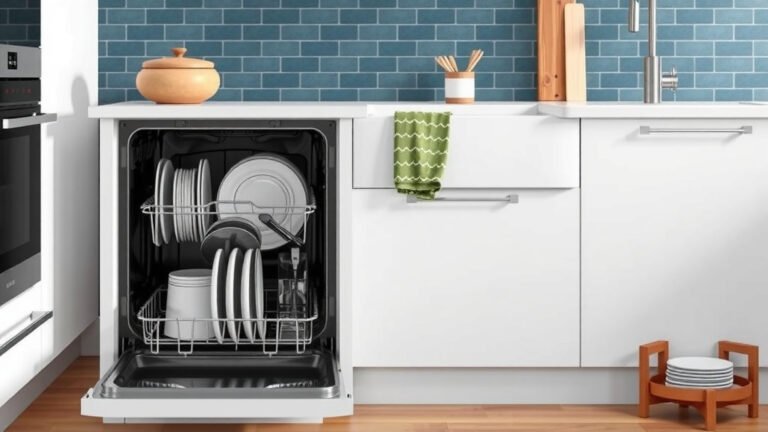
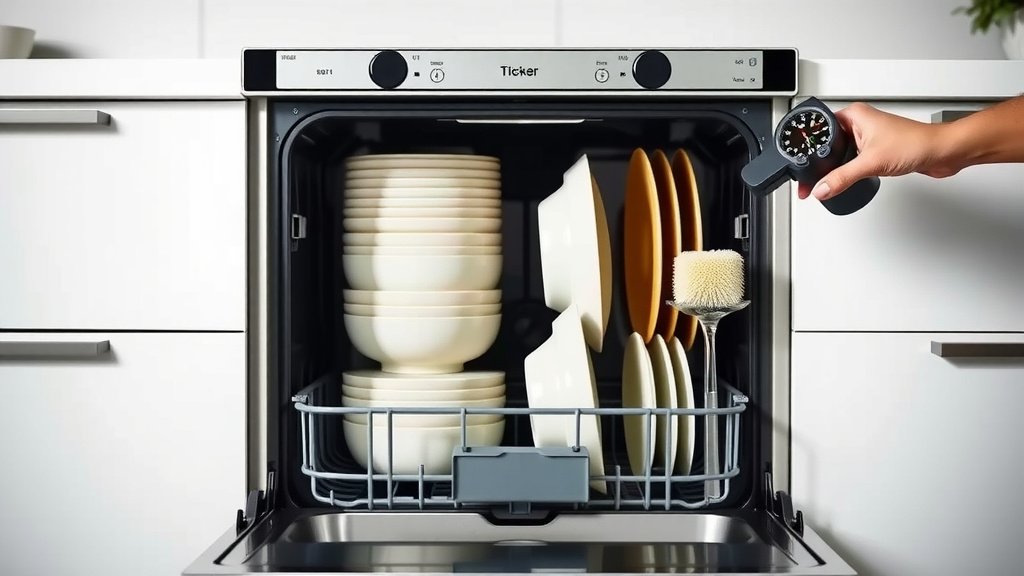
This is where many people stumble, and it makes a huge difference in cleaning performance. Loading isn’t just about fitting as much as possible in. It’s about strategic placement.
The Lower Rack: For the Big Stuff
Your lower rack is prime real estate for plates, bowls, and pots. Place plates and bowls facing inwards, angled slightly down. This allows water jets to hit them directly. Don’t let them nestle too closely together, or water won’t reach all the surfaces. Pots and pans? Place them on the sides or back, with the dirtiest side facing the spray arm. This way, they get a good blast of water.
The Upper Rack: Delicate Items and Plastics
The upper rack is usually gentler. It’s perfect for glasses, mugs, and smaller bowls. Position glasses and cups upside down so they can fill with water and drain properly. Lighter plastic items should also go up here, as they are less likely to be flipped over by the water spray. Ensure nothing hangs down too far to block the upper spray arm.
Silverware Basket: Handle with Care
For forks, spoons, and knives, the best practice is to mix them up in the basket. Don’t put all the forks together and all the spoons together. This prevents “nesting,” where utensils stick together and don’t get clean. Handles up or down? Many suggest handles down for spoons and forks, but handles up for knives for safety. Check your dishwasher’s manual for their recommendation.
Avoiding Overcrowding: The Golden Rule
We found that the single biggest mistake people make is overloading. Give every item some space. Water needs to circulate freely to clean effectively. If you can’t fit everything, it’s better to run two loads than to have a load of partially clean dishes. Many experts agree that proper spacing is as important as the detergent itself.
Detergent Dos and Don’ts
Choosing and using the right detergent is absolutely critical for a sparkling clean. We’ve found that a little goes a long way, and the type matters.
Dishwasher Detergent vs. Dish Soap
This is a common confusion. Never use regular dish soap in your dishwasher. It’s designed to create a lot of suds. Using it in your dishwasher will lead to an overflowing suds disaster all over your kitchen floor. Always use detergent specifically made for automatic dishwashers. These are low-sudsing formulations.
Powder, Pods, or Gel?
All have their pros and cons. Pods are convenient and pre-measured, often containing rinse aid and other boosters. Powder is budget-friendly and allows you to control the amount. Gels can be effective but sometimes leave residue. We found that pods are the most popular choice for ease of use, but many people get great results with powders too.
How Much Detergent?
Follow the detergent manufacturer’s instructions and your dishwasher’s manual. Overusing detergent can leave a chalky residue on your dishes and harm your dishwasher’s components. Too little, and your dishes won’t get clean. Most modern detergents work well with just a tablespoon or two of powder or one pod per load. You might need to adjust based on your water hardness.
Selecting the Right Wash Cycle
Dishwashers come with various cycles, each designed for specific needs. Picking the right one ensures optimal cleaning and efficiency.
Common Cycles and When to Use Them
Most dishwashers have:
- Normal/Auto Cycle: This is your everyday workhorse. It’s great for a standard load of dishes with typical food soil. Many “auto” cycles use sensors to adjust water usage and cycle time based on how dirty your dishes are.
- Heavy/Pots & Pans Cycle: For baked-on food, greasy pans, and heavily soiled items. This cycle uses hotter water and a longer wash time.
- Light/China Cycle: For lightly soiled items or delicate glassware. It uses cooler water and less water pressure.
- Quick/Express Cycle: For when you need dishes cleaned fast. This is usually for lightly soiled items and might not dry as effectively.
- Rinse Only: Use this if you want to rinse dishes but not run a full wash cycle yet. It’s handy if you can’t run a full load immediately.
What About Rinse Aid?
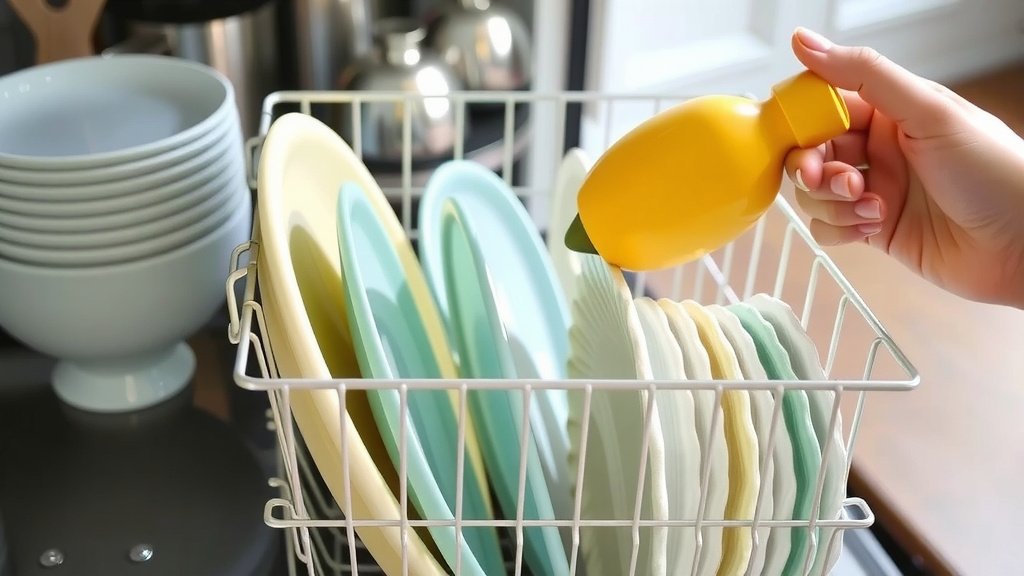
Rinse aid is a liquid that helps water sheet off your dishes instead of forming droplets. This speeds up drying and prevents water spots, especially on plastics and glassware. Most dishwashers have a dispenser for rinse aid. We found that using rinse aid significantly improves drying performance, particularly in cooler climates or during humid weather. Check your dishwasher’s manual for how to fill and adjust the rinse aid dispenser.
The Final Checklist for Dishwasher Success
Here’s a quick rundown to ensure you’re set up for success with every wash:
- Scrape off large food debris.
- Load dishes, bowls, and cutlery strategically without overcrowding.
- Use the correct dishwasher detergent, not dish soap.
- Select the appropriate wash cycle for your load type.
- Ensure rinse aid is topped up for better drying.
- Run the dishwasher when it’s full to save energy and water.
Following these steps will ensure your dishwasher performs at its best, leaving you with clean, sparkling dishes every time. Happy washing!
“`Conclusion
You’ve now got the roadmap to dishwasher mastery! By taking a few simple steps—like scraping off large food bits, loading your racks thoughtfully, using the correct detergent, and choosing the right cycle—you’re setting yourself up for sparkling results every time. Remember, it’s not just about getting dishes clean, but also about taking care of your appliance. Your next step is to apply these techniques on your very next load to experience the difference.
Frequently Asked Questions
How often should I clean my dishwasher?
We recommend cleaning your dishwasher filter at least once a month, or more often if you notice lingering odors or reduced cleaning performance. A deeper clean of the interior, including the spray arms and door seals, can be done every few months to keep it running efficiently.
Can I put wooden or cast iron items in the dishwasher?
Generally, it’s best to avoid putting wooden items or cast iron in the dishwasher. The hot water and harsh detergents can damage wood, causing it to warp or crack. For cast iron, it can strip away the seasoning, leading to rust and reducing its non-stick properties.
What’s the best way to handle delicate glassware?
For delicate glassware, always use the upper rack and ensure items are placed securely, upside down, to prevent them from tipping over. Use a light or china cycle with cooler water and less water pressure. If your glasses are particularly fragile or decorated, handwashing might be the safest option.
Why are my dishes still wet after the cycle finishes?
Several factors can cause wet dishes. Make sure you’re using rinse aid and that the dispenser is topped up. Also, check that you haven’t overloaded the dishwasher, as this can block airflow. Some cycles are designed for less drying, so selecting a normal or heavy cycle might help.
Is it okay to run the dishwasher with just a few items inside?
While it might seem convenient, running the dishwasher with only a few items isn’t the most energy-efficient or water-wise approach. Most dishwashers are designed to operate most effectively when the racks are moderately full. Try to wait until you have a full load before running a cycle to save resources.