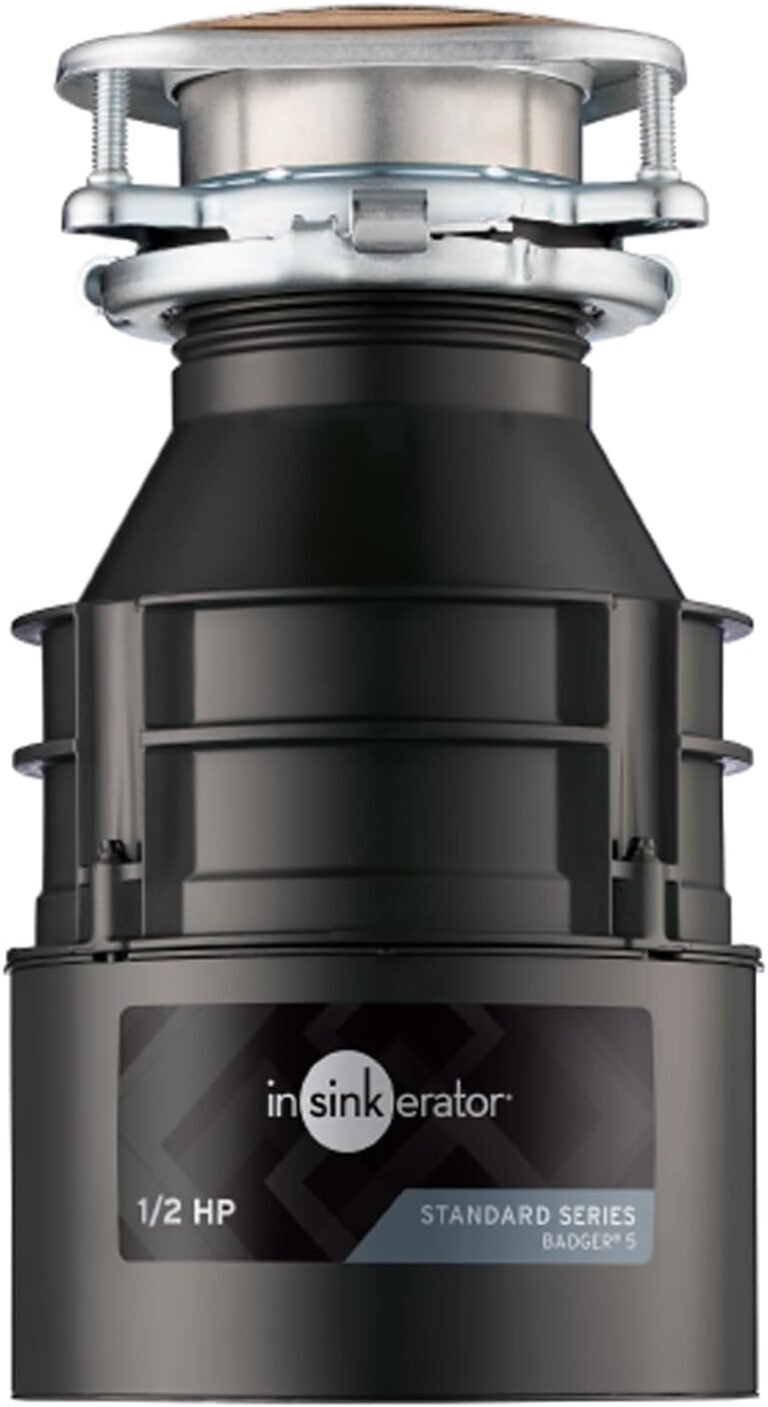
Garbage Disposal Dos and Don’ts: A Homeowner’s Guide
You can put most things down the garbage disposal, but you’ll wreck it if you toss in grease, pasta, or coffee grounds. We found that a handful of simple rules keep your disposal running smooth and odor-free. You don’t need a plumber or special tools—just a little know-how about what belongs down there.
Your garbage disposal is a tough workhorse, but it is not a magical trash can. Many experts say that most clogs and breakdowns happen because of a few common mistakes. Once you learn the garbage disposal use dos and don’ts, you’ll avoid expensive repairs and keep your kitchen smelling fresh.
- Always run cold water before, during, and after grinding.
- Never pour grease, oil, or fat down the drain—it hardens and clogs.
- Skip fibrous foods like celery, corn husks, and potato peels.
- Grind ice cubes and citrus peels to clean and deodorize the blades.
- Use the disposal in short bursts, not one long continuous grind.
Below, we break down everything you need to know about using your disposal the right way. We’ll walk you through the exact rules, the sneaky foods that cause trouble, and the simple habits that make your unit last for years.
Mastering the Basics of Garbage Disposal Operation
You want a disposal that grinds like a champ, not one that gurgles and backs up. The secret is in how you run it. We found that most people misuse the on/off switch without even realizing it.
Think of your disposal as a blender for food scraps. It doesn’t chop with blades; it uses impellers to crush waste. This is why liquid flow matters more than blade sharpness. The water pushes the ground-up bits through the pipes.
Why Cold Water is Non-Negotiable
Always turn on the cold water before you hit the switch. Keep it running for 15 to 20 seconds after the grinding noise stops. This flushes the waste completely through the drain line.
Cold water keeps fats and oils in a solid state so they can be chopped up and washed away. Hot water melts them, allowing the grease to coat your pipes further down the line. This is a leading cause of stubborn clogs.
How Much Food is Too Much
Feed the disposal in small batches. Don’t jam a mountain of leftovers down the drain all at once. We recommend putting in a small handful, grinding it, and letting the water run.
You should hear the motor change pitch as the food grinds. If the sound drops to a low groan, you have overloaded the chamber. Turn it off, wait a few moments, and let the water break up the mass.
Foods That Destroy Your Disposal Faster Than You Think
Not all food waste is created equal. Some items are like kryptonite to your plumbing system. The biggest culprits are fibrous and starchy materials that wrap around or swell up inside the mechanism.
Many experts say that the number one cause of disposal failure isn’t metal or glass—it’s everyday produce that seems harmless at first glance.
The Fibrous Foods to Avoid
Stringy vegetables are a nightmare. The fibers wrap around the impellers, causing the motor to jam. This is a DIY fix, but it is a hassle you don’t want.
- Celery stalks—their strings tangle up tight.
- Corn husks and silks—they clump together like a hairball.
- Asparagus—the woody ends are too tough.
- Banana peels—they are stringy and also too thick.
- Artichokes—the leaves are fibrous and tough.
Starches and Expandable Foods
Pasta, rice, and oats absorb water and expand. They turn into a sticky paste that coats the inside of your pipes. This paste grabs other debris and creates a solid blockage.
Potato peels are particularly problematic. The starch turns into a paste, but the peels themselves can form a thick sludge. This is one of the most common causes of slow-draining kitchen sinks we see.
Fats, Oils, and Grease (The FOG Problem)
Grease is liquid when hot, but it solidifies as it cools. Pouring it down the drain is like pouring glue into your pipes. It coats the inside walls and catches food particles.
Municipal water treatment facilities report that FOG is a major cause of sewer overflows in residential areas (EPA guidelines). Even small amounts of bacon grease can build up over time.
Surprising Items That Are Actually Fine
You can grind chicken bones and fish bones. They are hard enough to create friction that cleans the impellers, but soft enough to break down easily. Small pits from cherries or olives are also safe.
Eggshells are a debated topic. Many experts say to grind them because the shell’s membrane adds grit that helps scour the inside of the disposal. However, we found that the thin skin can wrap around the impellers, so it is safer to skip them.
The Golden Cleaning Routine for a Fresh Smelling Sink
Your disposal can smell like last week’s dinner if you don’t clean it. Food particles get trapped in the crevices and start to rot. This creates a musty odor that fills the whole kitchen.
You don’t need chemical cleaners or bleach. In fact, bleach can damage the metal parts and rubber gaskets. A simple natural ritual keeps it fresh and running smoothly.
Ice Cubes and Rock Salt Method
Drop a tray of ice cubes into the disposal. Add a cup of rock salt or coarse kosher salt. Turn on the cold water and grind it all up.
The ice cubes are hard enough to knock off caked-on grime and sharpen the impellers. The salt acts as an abrasive scrubber. It is a cheap, effective deep-cleaning method we recommend monthly.
Citrus Peels for Deodorizing
Citrus peels are your best friend for scent. Lemon, lime, or orange peels release natural oils that neutralize odors. They also leave a fresh, clean smell that lasts for hours.
| Cleaning Agent | Primary Benefit | Frequency |
|---|---|---|
| Ice Cubes + Salt | Knocks off grime and sharpens | Monthly |
| Citrus Peels | Deodorizes naturally | Weekly |
| Baking Soda + Vinegar | Breaks down bio-slime | Bi-monthly |
You can also use a mixture of baking soda and white vinegar. Pour half a cup of baking soda down the drain, followed by a cup of vinegar. Let it fizz for 10 minutes, then flush with hot water. This breaks down slimy buildup.
Critical Safety Rules You Must Follow
Your hand is the biggest danger to your disposal. The grinding chamber is harsh and unforgiving. You should never, ever reach inside the unit to retrieve a dropped utensil or clear a jam.
Many accidents happen when people try to fish out a spoon or fork. The motor might be off, but the impellers can still move. This is why we stress keeping all utensils away from the drain.
How to Clear a Jam Safely
If the motor hums but doesn’t spin, it is jammed. Turn the unit off immediately. Look under the sink for the reset button on the bottom of the disposal—it is usually red.
Next, use a hex wrench (Allen key) to manually rotate the flywheel from the bottom. A standard 1/4-inch hex wrench comes with most units. Turn it back and forth to dislodge the obstruction. Once free, press the reset button and run cold water.
Running Your Disposal Like a Pro
You don’t need a plumber to keep your disposal happy. Simple habits make a huge difference in longevity. Start by always using a strong stream of cold water from start to finish.
Don’t grind food and then turn the water off immediately. The food needs time to travel down the pipe. A quick flush prevents settling and buildup in the trap.
The Short Burst Rule
Run the disposal in short bursts instead of letting it run continuously for 30 seconds. Turn it on for 5 seconds, let it grind, then turn it off. Repeat until the chamber is empty.
This method prevents the motor from overheating. It also gives the water time to catch up and carry the debris away. We found that short bursts are gentler on the entire plumbing system.
When to Call a Pro Instead of DIY
Sometimes things go wrong despite your best efforts. If you notice a persistent foul smell after cleaning, you might have a deeper issue. Food could be trapped in the drain trap or the dishwasher line.
If water backs up into the adjacent sink or gurgles from the drain, this signals a blockage deeper in the main line. Grinding more food won’t help; it will only make it worse. You need to call a licensed plumber for this situation.
Signs of a Failing Motor
Listen for strange noises like rattling or a metallic screech. This could mean a broken part or a foreign object is stuck inside. Also, if the unit repeatedly trips the circuit breaker, it is drawing too much power.
You should also check for leaks under the sink. A leak at the base of the disposal usually means a cracked housing, which is not a repair—it is a replacement job. Water damage is expensive, so address leaks quickly.
Your Daily Disposal Checklist
Get into a routine that becomes second nature. This checklist is short and takes less than 30 seconds to complete. Print it out and stick it on your fridge if you need a reminder.
- Scrape food scraps into the disposal—don’t use it as a catch-all for large bones.
- Turn on cold water to a full, steady stream before flipping the switch.
- Grind in small batches using 3-5 second bursts.
- Let the water run for 15 seconds after the last grind.
- Never put grease, oil, or fibrous peels down the drain.
- grind ice and citrus weekly to keep it sharp and fresh.
Tell everyone in the house to follow these rules. Kids and guests might not know the restrictions. A quick reminder saves you from a messy, expensive repair session.
Eco-Friendly Disposal Habits That Help Your Home
Using a disposal is more environmentally friendly than sending food to the landfill. When food goes to the landfill, it rots and produces methane gas—a potent greenhouse gas. Sending it through your disposal to a treatment plant is a better choice.
Many municipalities use anaerobic digesters at treatment plants to capture methane and turn it into energy (EPA research). You are contributing to this system by using your disposal correctly.
However, these facilities are not designed to handle large amounts of grease or non-food items. By following the core dos and don’ts, you are keeping the community sewer system healthy too.
Always treat your disposal with respect. It is a simple machine, but it works hard for you. A few good habits will keep it running quietly and efficiently for more than a decade.
Conclusion
You now have everything you need to keep your garbage disposal running like new. The rules are simple: run cold water, grind in small batches, and keep grease and fibrous foods out of the drain. A little weekly maintenance with ice and citrus peels goes a long way.
We know you don’t want to deal with clogged pipes or costly repairs. You can avoid those headaches by making these habits automatic. Start today by reviewing your kitchen routine. Make sure everyone in your house knows the dos and don’ts too. Your disposal will thank you with years of quiet, reliable service.
Frequently Asked Questions
Can I put coffee grounds down the garbage disposal?
You should avoid putting coffee grounds down the disposal. They clump together and form a thick sludge that traps other debris in your pipes. This leads to slow drains and stubborn clogs over time. Toss them in the trash or compost instead.
Is it safe to put eggshells in the garbage disposal?
We found that eggshells are a debated topic among plumbers. Some say the shell membrane helps clean the blades, but that thin membrane can wrap around the impellers. It is safer to just throw eggshells in the trash to avoid any risk of jamming.
Why does my garbage disposal smell even after I clean it?
A persistent odor usually means food is trapped somewhere you cannot see. Check the rubber splash guard at the top of the drain; gunk often hides there. You can also run baking soda and vinegar through the system to break down slimy buildup. If the smell remains, you might have a deeper blockage in the pipe that needs a plumber.
How long should I run water after using the disposal?
You should let the cold water run for about 15 to 20 seconds after the grinding noise stops. This gives the water enough time to flush all the tiny food particles through the pipes. Skipping this step allows debris to settle in the trap and cause clogs.
What should I do if my garbage disposal is making a humming noise but not spinning?
A humming sound means the motor is running but the flywheel is jammed. Turn off the unit immediately and unplug it or switch off the breaker. Use a hex wrench (Allen key) on the bottom of the disposal to rotate the flywheel back and forth to free the obstruction. Then press the reset button and try again.