Fix Your Dishwasher Not Drying: Simple Troubleshooting Guide
When your dishwasher leaves dishes wet, it’s frustrating, but fixing a dishwasher not drying is often quite doable. You can usually solve this by checking your rinse aid dispenser, ensuring your hot water supply is adequate, and making sure your dishwasher is properly loaded. These simple steps often resolve the issue without needing a repair person.
Many things can cause your dishwasher to fail at drying. It’s not always a broken part. Sometimes, it’s just a simple setting you missed or a routine maintenance step that’s been overlooked. We’ve found that a few common culprits account for most drying problems, and they are usually easy to fix yourself.
- Check your rinse aid levels.
- Verify your water heater temperature.
- Load the dishwasher correctly.
- Clean the filter regularly.
- Inspect the heating element.
Let’s walk through the most common reasons your dishwasher isn’t drying your dishes, and how you can fix them.
Troubleshooting Your Dishwasher’s Drying Woes
It’s a common and annoying problem: you open your dishwasher, expecting sparkling, dry dishes, only to find them still dripping wet. Don’t fret! This issue is often caused by a few simple things that you can usually fix yourself. We’ll guide you through the most likely culprits and how to get your dishwasher back to drying like a champ.
Is Your Dishwasher Getting Hot Enough?
For your dishwasher to dry effectively, it needs hot water. This is a foundational requirement that many people overlook. The high heat helps water evaporate from your dishes. If the water entering the dishwasher isn’t hot enough, the drying cycle simply won’t work as intended.
Check Your Water Heater Settings
Your dishwasher relies on your home’s water heater for its hot water supply. Many experts recommend setting your water heater to around 120°F (49°C). This temperature is hot enough for effective cleaning and drying, yet generally safe to prevent burns. If your water heater is set too low, your dishwasher won’t be able to reach the temperatures needed for optimal drying. Consult your water heater’s manual or a plumber if you’re unsure how to adjust this setting. We found that even a slight drop in water temperature can hinder drying performance.
Run Hot Water Before Starting the Dishwasher
Even if your water heater is set correctly, the water in your pipes might have cooled down if it hasn’t been used recently. A simple trick we found helpful is to run the hot water tap at your kitchen sink for a minute or two before starting the dishwasher. This ensures that the hottest water from your water heater directly enters the dishwasher, giving the drying cycle a better start. This is especially useful if your dishwasher is located far from your water heater.
The Importance of Rinse Aid
Rinse aid is a vital component in the dish drying process. It’s not just some fancy extra; it actually changes the surface tension of water. This allows water to “sheet off” your dishes rather than forming tiny droplets that cling and leave spots. Think of it like rain on a freshly waxed car — it beads up and rolls off easily. Without it, water loves to stick around.
Refill Your Rinse Aid Dispenser Regularly
Most dishwashers have a dedicated rinse aid dispenser. This is usually a small compartment with a little dial or indicator. First, locate this dispenser. Then, check if it’s empty. You can typically open the dispenser lid and look inside. If it’s empty, refill it with a good quality rinse aid. Many models have a clear window or a light that indicates when the rinse aid is low. We found that keeping this dispenser full is one of the easiest ways to improve drying. Follow your dishwasher’s manual for specific refill instructions.
Understanding Rinse Aid Settings
Your dishwasher likely has a setting to control how much rinse aid is dispensed. If you’ve recently refilled the dispenser but are still having issues, you might need to adjust this setting. A higher setting will dispense more rinse aid, which can be beneficial for very hard water or for loads that consistently come out wet. Start by increasing the setting by one level and observe the results. You might need to experiment a bit to find the perfect balance for your specific needs. Many appliance repair guides suggest this as a common fix.
Is Your Dishwasher Filter Clogged?
A dirty or clogged dishwasher filter can impact more than just cleaning; it can affect the entire wash and dry cycle. The filter traps food particles and debris, preventing them from recirculating and ending up on your clean dishes. When it’s clogged, water flow can be restricted, which can affect the temperature and efficiency of the drying phase. A clean filter is key to overall dishwasher performance.
Locating and Cleaning Your Filter
Most modern dishwashers have a filter system at the bottom of the tub. You’ll typically need to remove the lower rack to access it. Consult your dishwasher’s manual to find the exact location and how to remove the filter assembly. Once removed, rinse the filter thoroughly under warm running water. You might need a soft brush to gently scrub away any stubborn bits of food. We found that cleaning the filter once a month is a good general guideline for most households. A clogged filter can indeed cause drying problems.

Are You Loading Your Dishwasher Correctly?
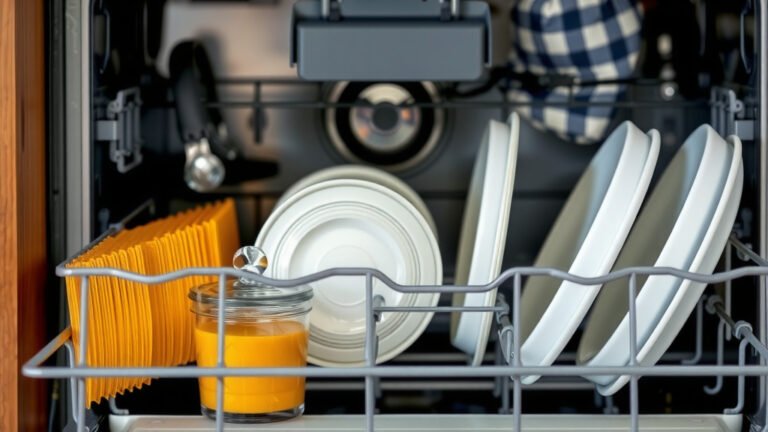
Believe it or not, how you load your dishwasher can significantly impact how well your dishes dry. Overcrowding is a common mistake. When dishes are packed too tightly, water can get trapped, and hot air can’t circulate properly. This creates “shadows” where water pools and prevents effective drying.
Allowing Space for Airflow and Water Drainage
Make sure there’s enough space between dishes for water to drain freely and for hot air to reach all surfaces. Don’t let dishes overlap too much. For items like plastic containers or lids, consider placing them on the top rack, angled downwards, so water can run off them instead of pooling. We found that taking an extra minute to arrange items properly makes a huge difference. Items should not block the spray arms from rotating freely. A blocked spray arm is another common cause of poor drying.
Consider Plastic Items and Drying Cycles
Plastic items tend to hold onto moisture longer than glass or ceramic. Some dishwashers have a specific “heated dry” or “extra dry” option. If your machine has this, using it for loads with a lot of plastic can help. Also, be aware that some high-efficiency dishwashers rely more on passive drying methods like the heat from the final rinse. If you consistently find plastic items wet, ensure they are placed towards the front of the top rack where they might get more direct heat or airflow. Research shows plastics require higher temperatures for effective drying.
Checking the Heating Element and Fan (Advanced Steps)
If you’ve tried the steps above and your dishwasher still isn’t drying properly, the issue might be with the heating element or the drying fan, if your model has one. These are typically located at the bottom of the dishwasher tub. The heating element directly heats the air, while a fan can help circulate that hot air. These are more complex fixes and may require professional help.
Inspecting the Heating Element for Damage
Visually inspect the heating element for any signs of damage, such as cracks or corrosion. If it appears damaged, it will need to be replaced. This is a job that often requires disconnecting power and some mechanical skill. We suggest consulting your appliance manual or calling a qualified technician if you suspect the heating element is faulty. A burned-out heating element is a sure way to get wet dishes.
Verifying the Drying Fan (If Applicable)
Some dishwashers use a fan to circulate hot air during the drying cycle. If your dishwasher has one, listen for it during the drying phase. If you don’t hear it running, or if it sounds unusual, it might be the cause of your drying problem. Similar to the heating element, a faulty fan usually requires professional repair. Many repair sites list a non-functional fan as a direct cause of poor drying performance.
A Quick Checklist for Better Drying
Here’s a quick rundown to help you get your dishes dry:
- Is your hot water heater set to at least 120°F (49°C)?
- Have you refilled the rinse aid dispenser recently?
- Is the dishwasher filter clean and free of debris?
- Are your dishes loaded with enough space between them?
- Are you using a heated dry option for loads with plastic?
- Does your dishwasher’s heating element look undamaged?
Conclusion
It can be incredibly frustrating when your dishwasher leaves dishes wet. Fortunately, as we’ve shown, most drying issues stem from simple, fixable causes. By checking your hot water supply, ensuring your rinse aid dispenser is full and set correctly, keeping your filter clean, and paying attention to how you load the machine, you can often solve the problem yourself. Don’t overlook these basics before assuming a major repair is needed. Take these steps one by one, and you’ll likely be enjoying dry dishes again very soon.
Frequently Asked Questions
Why are my plastic dishes still wet after a dishwasher cycle?
Plastic items don’t retain heat as well as glass or ceramic, making them harder to dry. Try placing plastics on the top rack, angled downwards, to help water run off. If your dishwasher has a “heated dry” or “extra dry” setting, use it for loads containing a lot of plastic.
Can I use regular dish soap instead of rinse aid?
No, you should not use regular dish soap in the rinse aid dispenser. Dish soap is designed to create suds, which can cause a dangerous overflow in your dishwasher and may damage the appliance. Always use a product specifically labeled as rinse aid.
My dishwasher is old; is it worth trying to fix the drying issue?
For many common drying problems, it’s often worth trying these simple fixes first, regardless of your dishwasher’s age. If these steps don’t resolve the issue and you suspect a more complex part like the heating element or fan is faulty, you might want to weigh the cost of repair against the cost of a new, more energy-efficient model.
How often should I clean my dishwasher filter?
We found that cleaning your dishwasher filter about once a month is a good general guideline for most households. If you frequently run your dishwasher or tend to have a lot of food debris, you might need to check and clean it more often to ensure optimal performance and prevent drying problems.
Does the temperature of my kitchen faucet water matter?
Yes, it really does. If your kitchen faucet water is cool, it means your dishwasher is likely receiving cooler water, too. Running the hot water at your sink for a minute before starting the dishwasher ensures the hottest water from your heater is used for the wash and dry cycles, which is essential for good drying results.