
How a Dishwasher Works: A Simple Explanation
A dishwasher works by spraying hot water and detergent onto your dirty dishes. Powerful jets blast away food particles. It then rinses and drains the water. Finally, it dries your dishes using heat or a fan. This automated process makes cleaning dishes much easier. You get sparkling clean results without lifting a finger. It’s a real time-saver for busy households.
Dishwashers use a combination of high-pressure water, effective cleaning agents, and controlled cycles. They are designed to tackle grease and grime efficiently. Most models have multiple spray arms. These arms rotate to reach every corner of the tub. This ensures a thorough clean for all your plates, glasses, and cutlery. Your dishes come out hygienic and ready to use.
- Dishwashers spray hot water and detergent.
- Jets remove food, then rinse and drain.
- Drying happens via heat or a fan.
- They automate cleaning for convenience.
Ready to understand the magic behind those clean dishes? Let’s walk through exactly how your dishwasher gets the job done, step by step.
Your Dishwasher’s Cleaning Choreography
Ever wonder what’s really happening inside your dishwasher? It’s quite a show! Your dishwasher follows a specific routine to get those dishes sparkling. It’s more than just spraying water; it’s a carefully timed process. This routine ensures all the food bits and grease disappear.
The Pre-Wash: Getting Ready to Shine
Before the real cleaning begins, most dishwashers have a pre-rinse cycle. This is like a quick shower for your dishes. It washes away any loose food particles. This step is super important. It stops bigger food chunks from clogging up the dishwasher. It also prevents them from just getting spread around.
Draining the Initial Rinse
After the quick rinse, the water is drained away. This gets rid of the loosened debris. You’ll hear the gurgling sound of the water going down the drain. This prepares the machine for the main wash cycle.
The Main Wash: The Heart of the Operation
This is where the serious cleaning happens. Your dishwasher fills with hot water. Then, it adds a special detergent. This detergent is designed to break down grease and food residue. It’s a tough but necessary agent for clean dishes.
How the Water Gets to Your Dishes
The magic happens with the spray arms. These arms are located at the bottom and sometimes in the middle of the dishwasher. They are connected to a pump. The pump forces the hot, soapy water through small holes in the spray arms. This creates powerful jets of water. These jets shoot out with force.
Rotating for Maximum Coverage
As the water is pumped through, the spray arms spin. They rotate around, much like a sprinkler. This spinning action ensures the water jets reach every single dish. They can get into nooks and crannies. This thorough coverage is key to removing all the grime. Research and studies show that even water pressure is important for cleaning (University of Hohenheim).
The Importance of Water Temperature
Your dishwasher heats the water to a very high temperature. This is usually between 120°F and 150°F (49°C to 66°C). Hot water is much better at cutting through grease. It also helps dissolve food particles more effectively. Many health organizations recommend this temperature range. It helps kill bacteria and sanitize your dishes (CDC).
Detergent Action
The dishwasher detergent isn’t like the stuff you use for handwashing. It’s much stronger. It contains enzymes that break down food. It also has agents that help lift grease. You should always use detergent specifically made for dishwashers. Regular dish soap can create too many suds. This can cause leaks and damage your machine.
Rinsing Cycles: Washing Away the Suds
After the main wash, the dirty, soapy water is drained. Then, the dishwasher fills up again with clean water. This is the first rinse. It washes away any remaining detergent and loosened food particles. Many dishwashers have multiple rinse cycles. This ensures no soap residue is left behind. Nobody wants their clean plates to taste like soap!
The Final Rinse and Rinse Aid
The final rinse often uses even hotter water. This helps dishes dry faster. It also makes them look shinier. Many dishwashers have a dispenser for a rinse aid. This is a liquid that helps water sheet off your dishes. It prevents water spots. It makes your glasses look extra clear and bright.
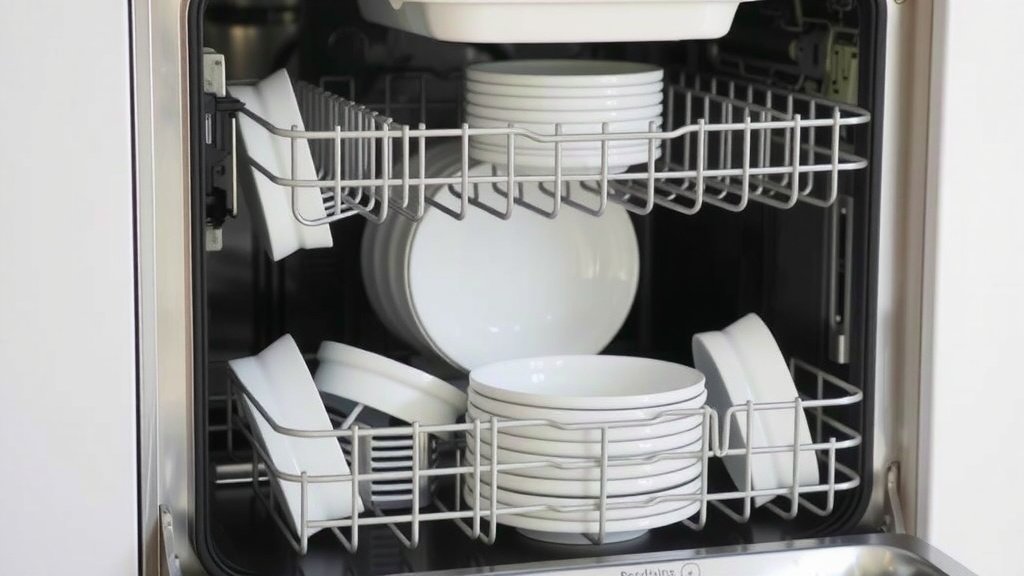
Drying Your Dishes: The Grand Finale
Once the rinsing is complete, it’s time to dry. There are a few common ways dishwashers do this.
Heating Element Drying
Some models use a heating element at the bottom of the tub. This element heats up and warms the air inside. The heat helps evaporate the remaining water. It’s similar to how a convection oven works. This method is very effective for drying.
Condensation Drying
More energy-efficient models use condensation drying. They often use the residual heat from the final hot rinse. The stainless steel tub walls cool down faster than the dishes. Water vapor from the hot dishes condenses on the cooler walls. This water then drips down and is drained away. Some newer models also use a fan to circulate air.
Fan-Assisted Drying
Other dishwashers might have a fan. This fan blows air around inside the tub. It helps speed up the evaporation process. The combination of residual heat and air circulation works wonders. It ensures your dishes are ready to be put away.
A Quick Checklist for Your Dishwasher’s Workday
Here’s a quick rundown of the steps your dishwasher takes:
- Pre-rinse: Washes away loose food particles.
- Main Wash: Sprays hot, soapy water to clean dishes thoroughly.
- Draining: Removes dirty wash water.
- Rinses: Cleans away soap and food residue.
- Final Rinse: Uses hot water and often rinse aid for spot-free shine.
- Drying: Uses heat, condensation, or a fan to dry dishes.
It’s quite a process, isn’t it? Your dishwasher is working hard behind the scenes. It’s making your life a little easier every day.
Conclusion
You now understand the amazing process your dishwasher uses. It’s a clever sequence of cleaning stages. From pre-rinsing to the final drying, each step is important. Your dishwasher uses hot water, strong detergents, and powerful spray arms. This system effectively blasts away food and grease. Using your dishwasher saves you time and effort. It ensures your dishes are hygienically clean after every cycle. Next time you load your dishwasher, you’ll appreciate the technology at work. You can confidently choose the right cycle for your needs, knowing exactly what’s happening inside.
Frequently Asked Questions
How does a dishwasher get my dishes so hot?
Your dishwasher heats water using an internal heating element. This hot water is crucial for breaking down grease and sanitizing dishes. Research shows high temperatures are key for effective cleaning. The final rinse often uses the hottest water for better drying results.
Why do dishwashers need special detergent?
Dishwasher detergent is formulated differently from hand dish soap. It contains enzymes to break down food and agents to cut grease. Regular dish soap creates excessive suds. Too many suds can cause leaks and potentially damage your dishwasher’s internal parts.
What is rinse aid and why should I use it?
Rinse aid is a liquid that helps water sheet off your dishes. This prevents water spots and makes your glassware shine. It’s released during the final rinse cycle. Using rinse aid ensures your dishes come out looking clearer and brighter.
Can I put pots and pans in my dishwasher?
Generally, yes, most modern dishwashers can handle pots and pans. However, check your dishwasher’s manual and the cookware manufacturer’s instructions. Heavily burned-on food may require pre-soaking. Delicate or non-stick surfaces might be damaged by the high heat and detergent.
Why does my dishwasher sometimes leave dishes wet?
Wet dishes can happen for a few reasons. If you overloaded the machine, water can’t circulate properly. Using a lower heat drying setting also contributes. Ensure the rinse aid dispenser is full. Sometimes, the drying cycle may just need a little more time to finish.