Can a Garbage Disposal Get Clogged? Here’s the Fix
Yes, garbage disposals can absolutely get clogged, and it usually happens because of fibrous foods, grease, or too much food at once. The good news is that most clogs are easy to fix without calling a plumber. You just need to know what causes them and how to clear them safely.
We found that the most common clog culprit is putting the wrong things down the drain, not a mechanical failure. Things like celery, potato peels, and coffee grounds can wrap around the blades or turn into a thick paste. Even if your disposal is brand new, how you use it matters more than the unit itself.
- Yes, clogs happen — usually from fibrous foods, grease, or starchy scraps.
- Signs of a clog include slow draining water, strange noises, or a stopped-up sink.
- Never stick your hand inside the disposal — even with the power off.
- Baking soda and vinegar can break down most grease and gunk clogs.
- Run cold water before, during, and after every use to flush things through.
- Prevention is the real fix — knowing what not to put down the drain saves you the hassle.
Below, we’ll walk you through exactly how a clog forms, how to spot the warning signs, and the safest step-by-step ways to unclog your disposal — plus the habits that keep it running smooth for years.
Why Your Garbage Disposal Clogs in the First Place
You might think a disposal is an unstoppable shredder. Research shows that’s not the case. It’s a pump with spinning impellers, not a magical portal.
Most clogs form because of what you feed it, not because the machine broke. We found that understanding the mechanics makes prevention way easier.
The Main Culprits: Fibrous Foods and Starchy Paste
Celery strings and corn husks are like ropes. They wrap around the spinning parts and jam the motor.
Potato peels and pasta turn into a thick goo when wet with water. This paste coats the drain pipe walls until nothing else can pass through.
Coffee grounds are sneaky too. They look fine going down, but they settle and pack together in the trap like wet sand.
Grease and Oil: The Silent Pipe Fillers
Pouring bacon grease down the sink is asking for trouble. Once it cools, it hardens and grabs onto every other stray bit of food.
Many experts say that grease is the number one reason for recurring drain clogs (Environmental Protection Agency). It builds up layer by layer, week after week.
Your disposal might chew the fat, but the pipes downstream won’t. They just create a sticky trap that catches everything else.
How to Tell If Your Disposal Is Clogged
You don’t always get a dramatic explosion. Sometimes, it’s subtle. Learning to spot the early warning signs saves you from a messy flood later.
We found that these four signals are the most common and reliable indicators of a problem.
- Slow draining water in the sink, even after the disposal has stopped.
- Water backing up into the other sink basin when you run the disposal.
- A humming sound from the unit without any grinding or shredding happening.
- The disposal shuts off on its own, which means the thermal breaker tripped.
What That Humming Sound Actually Means
If you flip the switch and hear a low electrical hum, your disposal is stuck. The motor is getting power, but the blades can’t spin.
That’s a classic sign of a jammed flywheel. You’ll need to manually rotate the blades from the bottom (more on that safely in a minute).
When the Water Is the Real Problem
Sometimes the disposal itself is fine, but the sink drains slowly anyway. That points to a blockage deeper in the pipe, past the disposal housing.
This usually means the clog is grease or food sludge built up over time. Running cold water won’t fix this one. You need a different approach.
Easy Fixes to Unclog a Disposal Right Now
Good news: you can solve the majority of clogs with stuff you already have in your kitchen. No plumber needed, no harsh chemicals required.
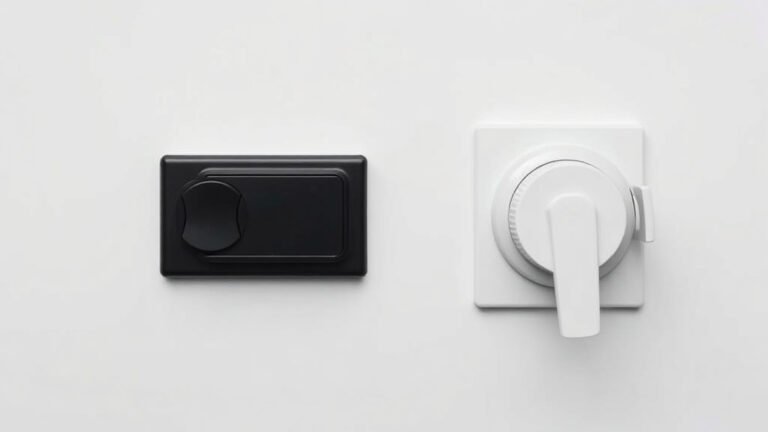
Always unplug the unit or turn off the breaker at the fuse box before you do anything else. Safety comes first. For safer operation, consider adding an air switch for your disposal to avoid electrical hazards.
The Reset Button Trick That Works Fast
Look at the bottom or side of your disposal for a little red button. If the motor overheated, that button pops out.
Press it back in firmly. Then, run cold water and flip the switch. This clears most basic jams in under ten seconds.
Using a Hex Wrench to Unstick the Blades
Every quality disposal has a hex-drive hole on the bottom center. Stick an Allen wrench in there and rotate it back and forth.
This manually forces the blades to break free from whatever is jamming them. Once it turns easily, you can press reset and try again.
The Baking Soda and Vinegar Power Clean
For grease and paste clogs inside the pipes, use the classic volcano method. It’s gentle on your plumbing but tough on buildup.
Pour half a cup of baking soda down the drain. Follow it with half a cup of white vinegar. Cover the drain and wait 15 minutes.
The bubbling fizz breaks apart sticky gunk and deodorizes at the same time. After that, pour a pot of boiling hot water down to flush it all away.
Hot Water: Friend or Foe for Drains?
For grease clogs, hot water is your best friend. It melts the fat so it can slide through the system normally.
For normal food waste, always use cold water. It keeps solid fats and oils hardened so they can be ground and flushed through easily.
Just remember this simple rule: cold for the grinder, hot for the pipes. You can alternate and be totally safe.
When to Give Up and Call a Plumber
If you’ve tried the reset button, the hex wrench, and the natural cleansers, and the water still rises, stop.
A plumbing snake or hydro-jetting might be needed for a hard blockage deep in the line. This is quick work for a pro.
Don’t keep running the disposal if it smells like burning or trips the breaker repeatedly. That’s a motor or wiring issue.
Daily Habits That Keep Disposals Clog-Free
Prevention is not complicated. It’s about breaking a few bad kitchen routines and replacing them with smart ones.
We found that people who never have clog issues share the same five habits. Adopt these and you’ll rarely think about your disposal again.
The Golden Rule of Cold Water Flow
Always run cold water before you turn on the disposal, while it’s running, and for 15 seconds after you shut it off. That’s called the full flush cycle.
This water does two jobs: it keeps fats solid enough to be ground, and it pushes food waste all the way down the pipe and out of your house.
Feed It in Small Batches
Dumping an entire plate of leftovers into the sink at once is a recipe for a jam. Your disposal isn’t a dumpster; it’s a small grinder.
Scrape small handfuls into the sink while the water runs. Let the disposal fully clear each batch before adding more.
What Should Never Go Down the Disposal
A quick list to keep you out of trouble. We found that these items cause 90% of all manual clog removal situations:
| Food Item | Why It Causes Issues |
|---|---|
| Celery, corn husks, asparagus | Fibers that wrap tightly around moving parts |
| Potato peels, rice, pasta | Turn into sticky, water-absorbing paste |
| Coffee grounds | Pack tightly in pipe traps like sand |
| Fats, oils, grease | Harden in pipes and catch all debris |
| Seeds and small bones | Hard enough to break or dull the impellers |
Rule of thumb: if you wouldn’t want to chew it easily, don’t put it down the drain. Compost those things instead.
Fruit Pits and Eggshells: The Myths
Many people think eggshells sharpen the blades. Many experts say the opposite is actually true. The membrane sticks to the sides and the shell is just grit for your motor.
Chicken bones and fish bones can also chip the impellers, leaving sharp edges that catch more food. Throw bones in the trash or garbage bin.
The Monthly Deep-Clean Routine That Works
Beyond daily habits, a monthly cleaning keeps things smelling fresh and running smooth. It takes five minutes max.
Use this simple maintenance checklist once every four to six weeks:
- Ice cubes and coarse salt to scrub the blades and dislodge stuck particles
- Lemon or lime peels to deodorize and freshen the unit
- Baking soda down the drain to absorb lingering odors
- Boiling water flush to dissolve any grease in the pipes
- Check for leaks under the sink to catch worn gaskets early
- Look at the splash guard for mold that can cause bad smells
Make this a habit, and your disposal will outlast the rest of your kitchen appliances.
Why Ice Cubes Are the Gardener’s Secret
Run the disposal with just a handful of ice and a bit of water for 30 seconds. It sounds odd, but the ice acts like a gentle blast to clean the blades.
Cubes dislodge any cooked rice or gunk clinging to the underside of the splash guard. It’s a cheap, chemical-free way to sharpen and clean at the same time.
Try it after a greasy meal and you’ll smell the difference immediately.
Conclusion
Garbage disposals do get clogged, but you now know exactly why and how to fix it. Most clogs come from fibrous foods, grease, or starchy scraps that build up over time. The good news is that you can clear most blockages yourself with a reset button, a hex wrench, or a simple baking soda flush.
The real secret to a clog-free disposal is prevention. Run cold water before, during, and after every use. Feed it small batches. And never send celery, coffee grounds, or grease down the drain.
We recommend you start with the daily habits we covered today. Take five minutes this week to do the ice cube and salt cleaning routine. Your disposal will run smoother, smell fresher, and last years longer. You’ve got this.
Frequently Asked Questions
How long does a garbage disposal typically last?
Most garbage disposals last between 10 and 15 years with proper care. You can extend that lifespan by avoiding fibrous foods, grease, and bones. If your unit is older than that and keeps jamming, it might be time for a replacement. If you’re considering a replacement, our guide to the quietest garbage disposals can help you choose a quieter model.
Can I use Drano or chemical drain cleaners in my garbage disposal?
We advise against using chemical drain cleaners in your disposal. They can damage the rubber seals and metal parts over time. Stick to baking soda and vinegar or a plunger instead.
Why does my garbage disposal smell even after cleaning it?
A persistent odor usually means food is stuck in the splash guard or the drain pipe. Pull back the rubber splash guard and check for buildup. Run ice cubes with lemon peels monthly to keep smells away.
Is it safe to put eggshells down the garbage disposal?
We don’t recommend eggshells for your disposal. The membrane can wrap around the blades, and the shell pieces act like grit that dulls the impellers. Toss eggshells in your compost or trash instead.
What should I do if my disposal is leaking from the bottom?
A leak from the bottom usually means a worn-out seal or a cracked housing. Unplug the unit immediately and check the mounting bolts. If you see water dripping steadily, you’ll likely need to replace the disposal unit entirely.