Are Dishwasher Pods Toxic? What Science Actually Says
No, dishwasher pods are not toxic when you use them correctly. They’re made with cleaning chemicals that are safe for your dishes once rinsed. But they can be harmful if swallowed, especially by kids or pets.
Here’s the thing we found after digging into this: the real risk isn’t your clean dishes, it’s accidental ingestion. Those colorful pods can look like candy to a toddler. Many experts also point to skin irritation if you handle pods with wet hands.
So what should you actually watch out for? Here’s the quick version:
- Used correctly, pods are safe — the detergent rinses away with the wash cycle.
- Eating a pod is dangerous and needs immediate attention, especially for children.
- Wet hands can dissolve the pod’s outer film and cause skin or eye irritation.
- Fumes aren’t a big concern in normal use, though good ventilation never hurts.
- Some people prefer gentler, plant-based pods for extra peace of mind.
Below, we break down everything you need to know about dishwasher pod safety — what’s inside them, what the risks really are, and how to keep your family safe. Let’s get into it.
What’s Actually Inside a Dishwasher Pod?
Most dishwasher pods contain a mix of surfactants, enzymes, bleach agents, and rinse aids. Surfactants are the grease-cutters. Enzymes break down stuck-on food. The small packet dissolves completely during the wash cycle.
We found that many brands use a water-soluble film made of polyvinyl alcohol (PVA). It’s designed to dissolve fully in hot water. That’s good news for your dishes, since nothing solid touches your plates.
Here’s the part that surprises people: the cleaning agents inside are concentrated. A single pod packs the same cleaning power as a full cap of liquid detergent. That’s why a swallowed pod is far more dangerous than a sip of dishwater.
What Happens If a Pod Is Swallowed?
Swallowing detergent — any detergent — is a medical emergency. Pods are riskier than powders or gels because the liquid inside can be expelled forcefully when the capsule bursts. This is well-documented in poison control reports for laundry pods, and dishwasher pods carry similar risks.
The Mayo Clinic and the National Poison Control Hotline (1-800-222-1222) recommend calling immediately if a pod is swallowed. Don’t wait for symptoms. Don’t try to make the person vomit.
Symptoms to Watch For
If someone bites into a pod, symptoms can show up fast. Keep an eye out for:
- Burning in the mouth or throat
- Vomiting or excessive drooling
- Coughing or trouble breathing
- Stomach pain or nausea
- Red, irritated eyes if liquid splashed the face
Cleveland Clinic guidance on chemical ingestion is clear: call Poison Control first, and go to the ER if breathing is affected. Keep the pod packaging handy so medical staff know exactly what was ingested.
Why Kids and Pods Don’t Mix
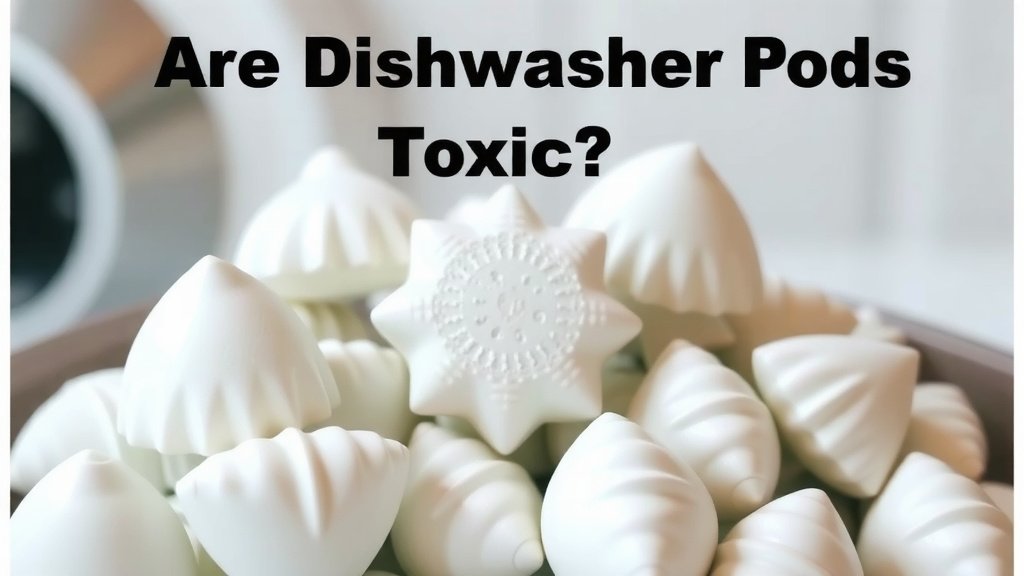
Think like a toddler for a second. A pod is small, squishy, and often bright red or green. To a three-year-old, it looks exactly like a gummy candy. That’s not a stretch — it’s the exact reason pods became a poison control headline in the first place.
NIH data on poison center calls shows single-load detergent capsules became a leading cause of child poisoning calls after pods hit shelves. Storage is your best defense, which we’ll cover below.
Can Pods Irritate Your Skin or Eyes?
Yes, and this is the most common everyday complaint. If you grab a pod with wet hands, the outer film starts dissolving instantly. The concentrated detergent inside can then touch your skin directly.
Most people just get mild redness or dryness. But if you rub your eye after handling a pod, expect stinging. Wash with cool running water for 15 minutes if detergent gets in your eyes (CDC first-aid guidance).
Simple Fixes for Sensitive Skin
You don’t have to give up pods. Try these instead:
- Always handle pods with completely dry hands
- Grab the pod by the edge, not the middle
- Wear gloves if your skin is sensitive or cracked
- Wash your hands after loading the dishwasher
- Store pods away from the sink splash zone
Are the Fumes From Dishwasher Pods Harmful?
For most households, no. Pods release a small amount of scent and steam during a cycle, but levels are low. We found that ventilation matters more than the pod itself. If your kitchen feels stuffy during a wash, crack a window or run your range hood.
One exception: people with asthma or fragrance sensitivities sometimes report irritation from heavily scented detergents. If that sounds like you, fragrance-free pods are an easy switch.
Residue on Dishes: Should You Worry?
This is the question that keeps people up at night. Here’s the reassuring answer: when the cycle completes, detergent residue rinses away. Research on automatic dishwashing detergents shows rinse-off formulations leave only trace amounts — far below levels considered harmful.
Problems arise when things go wrong. Cloudy film on glasses usually means too much detergent, hard water, or an overloaded rack. White residue is typically mineral deposits, not soap. Both fix easily with a rinse aid or a dishwasher cleaning cycle.
When Residue Becomes a Real Problem
Watch for these warning signs:
- Gritty or sudsy dishes after a full cycle
- A pod still intact at the end of the wash
- Bitter taste on glassware
- Unusual foam inside the tub
Any of these means your dishwasher isn’t finishing its job. Check your water temperature, filter, and cycle length before blaming the pod.
Are “Green” or Plant-Based Pods Safer?
Mostly, yes — with a caveat. Plant-based pods often skip chlorine bleach and synthetic fragrances, which makes them gentler on skin and septic systems. Third-party certifications like EPA Safer Choice flag products with milder ingredients.
But don’t let the word “natural” fool you into lax storage. A plant-based pod can still cause chemical burns if swallowed. Safe storage rules apply to every brand, eco or not.
Safe Storage: Your Best Line of Defense
Most pod accidents are preventable with one habit: lock pods away. Think of them like medications, not cleaning supplies. High shelves, locked cabinets, and original containers all help.
Use this quick storage checklist today:
- Store pods above shoulder height, out of sight
- Keep them in the original, sealed container
- Never transfer pods to a candy jar or bowl — yes, people do this
- Close the child-resistant latch every single time
- Keep the Poison Control number saved in your phone
- Toss damaged or leaking pods immediately
What About Pets?
Dogs and cats are curious by nature, and a pod on the floor is an easy target. The ASPCA’s Animal Poison Control guidance treats detergent ingestion in pets as an emergency. Symptoms include drooling, pawing at the mouth, vomiting, and lethargy.
Keep your pod stash secured and wipe up any that drop. If your pet chews one, call your vet or a pet poison hotline right away. Better a wasted phone call than a scared night at the animal ER.
Quick Comparison: Pod Safety by Exposure Type
| Exposure | Risk Level | What to Do |
|---|---|---|
| Clean dishes from a finished cycle | Very low | None needed — safe to use |
| Skin contact with dry hands | Low | Wash hands with soap and water |
| Pod dissolved on wet hands | Moderate | Rinse skin for several minutes; watch for irritation |
| Detergent splashed in eyes | Moderate to high | Flush with water 15 minutes; seek medical help |
| Swallowed pod (child or pet) | High | Call Poison Control or your vet immediately |
One last thought before we wrap this section: pods aren’t villains. They’re just concentrated chemicals in a candy costume. Treat them with the same respect you’d give any medicine bottle, and they’ll clean your dishes without incident.
Conclusion
So, are dishwasher pods toxic? Not in the way most people fear. When the cycle runs, the detergent rinses away, and your dishes come out safe. The real dangers are swallowing a pod or getting the concentrate on wet skin — both entirely preventable. We found that the families who stay safe all share one habit: they treat pods like medicine, not snacks. That means locked storage, dry hands, and the Poison Control number on speed dial. If you do only one thing after reading this, do this: go move your pods somewhere your kids and pets can’t reach them. It takes thirty seconds and buys you real peace of mind.
Frequently Asked Questions
Do I need to rinse dishes before using a pod?
No, and skipping the pre-rinse is actually better for pod performance. Modern enzymes are designed to latch onto food residue. Just scrape off large scraps and let the pod do the work.
Can dishwasher pods expire or go bad?
They can. Pods typically work best within 12 to 18 months, after which the film may get brittle or stick together. Old pods can fail to dissolve fully, leaving residue on your dishes.
Is it safe to touch a pod with wet hands if I wash right after?
You’ll probably be fine, but it’s not worth the risk. The film dissolves within seconds, and concentrated detergent on your skin can cause redness or irritation. Dry your hands first — it’s an easy fix.
Are dishwasher pods safe for septic systems?
Most major brands are septic-safe, but it’s worth checking the label. If you have a septic system, plant-based pods without phosphates or chlorine bleach are usually the gentlest choice.
What should I do if my child got pod liquid on their lips but didn’t swallow?
Wipe their mouth with a cool, damp cloth and offer small sips of water. Even if they seem fine, call Poison Control at 1-800-222-1222 — irritation can develop as the film continues to dissolve.