What Is the Gritty Stuff After the Dishwasher? Causes Explained
That gritty stuff after a dishwasher cycle is usually trapped food particles or leftover detergent residue that didn’t get rinsed away. Sometimes it’s hard water minerals that stick to your dishes like unwanted glitter. Either way, it’s not normal, and your dishes deserve better.
So why does it happen? Most often, a clogged filter or dirty spray arms are the culprits. We researched the most common causes, and we found that a few simple fixes can get your dishes sparkling again in no time.
Here’s the quick rundown:
- The grit is usually food bits, detergent buildup, or hard water residue.
- A dirty dishwasher filter is the number one cause.
- Clogged spray arms can also leave debris behind.
- Using too much or the wrong detergent makes things worse.
- Regular cleaning keeps the grit from coming back.
Let’s walk through exactly what’s going on in your dishwasher and how you can fix it, step by step.
What That Gritty Residue on Your Dishes Really Is
The gritty film on your dishes is almost always leftover food debris that circulated back onto them mid-cycle. Think of your dishwasher as a small recycling pool. Water gets sprayed out, picks up loose bits, and can redeposit them if something isn’t working right.
We found that most residue falls into three buckets: food particles, detergent residue, and hard water minerals. Each one has a slightly different look and feel, which is actually good news for you. The texture tells you what’s going wrong.
How to Identify What Type of Grit You Have
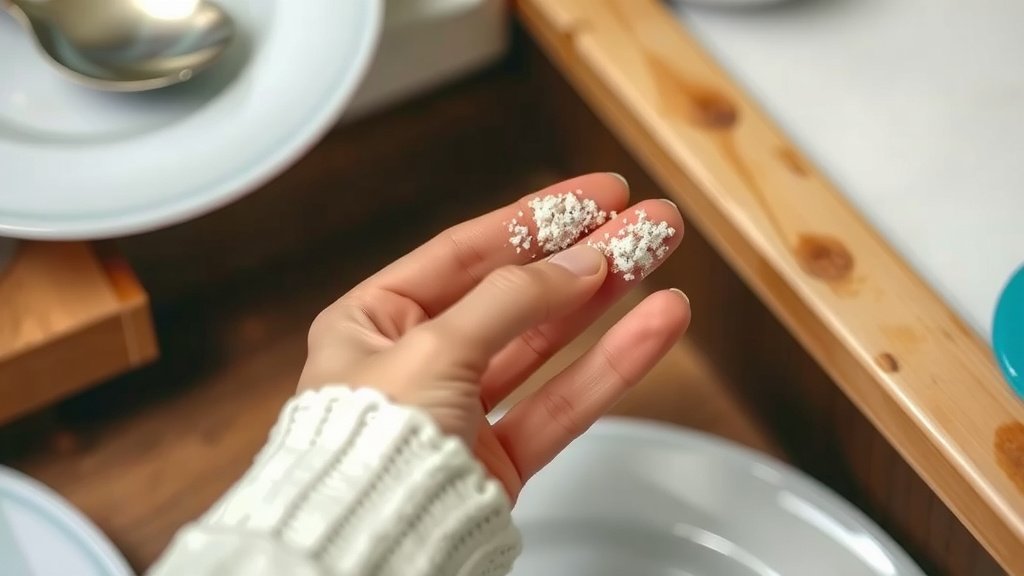
Before you fix anything, figure out what you’re dealing with. Rub a little of the grit between your fingers. Here’s what we found:
| How It Looks/Feels | What It Likely Is | Common Cause |
|---|---|---|
| Sandy or crumbly bits | Food particles | Dirty filter or clogged spray arms |
| Chalky white film | Hard water minerals | Hard water, no rinse aid |
| Sticky, cloudy coating | Detergent residue | Too much detergent or wrong type |
| Orange or pinkish film | Bacteria buildup | Dishwasher needs a deep clean |
Food Particles: The Most Common Offender
If it feels like sand, it’s food. Small scraps get knocked off plates early in the cycle, swirl around, and land back on your “clean” dishes. Gross? A little. Fixable? Absolutely.
Why Your Filter Is Usually to Blame
Most dishwashers have a filter at the bottom designed to trap food debris. When it’s clogged, that debris has nowhere to go. The water keeps recirculating it until it sticks to your glasses like tiny horrible sprinkles. Many manufacturers recommend checking the filter monthly, and experts agree it’s the first place to look (Mayo Clinic notes appliance hygiene matters for kitchen cleanliness overall).
Clogged Spray Arms Add to the Problem
Spray arms have tiny holes that shoot water across your dishes. When those holes get blocked by debris or mineral buildup, water pressure drops. Weak jets can’t push food into the filter, so it just floats around and re-settles everywhere.
Detergent Residue: When Soap Becomes the Problem
Too much detergent sounds like a good idea, right? Wrong. Extra soap doesn’t rinse away completely, especially in newer low-water dishwashers. It leaves a chalky, sometimes sticky film that mimics grit.
We also found that using the wrong type of detergent causes trouble. Old-style powdered detergents don’t dissolve well in cool water or quick cycles. Pods work best in machines with certain water temperatures, so check what your model recommends. If pods or powder are leaving clumps behind, our guide to dishwasher detergent not dissolving walks through the water-temperature and storage fixes.
Why Modern Dishwashers Are So Sensitive to Detergent
Newer machines use far less water than models from twenty years ago. That’s great for the environment but tough on soap. Less water means less rinsing power. The extra detergent has nowhere to go except onto your plates.
Stick to detergents labeled for automatic dishwashers, and try using a little less than the recommended amount. Many experts say scaling back often solves the film issue within one or two cycles.
Hard Water and the Chalky White Film
White, chalky buildup points to hard water minerals, mainly calcium and magnesium. According to the CDC and U.S. Geological Survey, roughly 85% of American homes have hard water. So if your dishes have that cloudy look, you’re in very common company.
The minerals don’t wash off with normal detergent. They bake onto dishes in the heat of the cycle, like the crust on a casserole dish nobody wanted.
Simple Fixes for Hard Water Grit
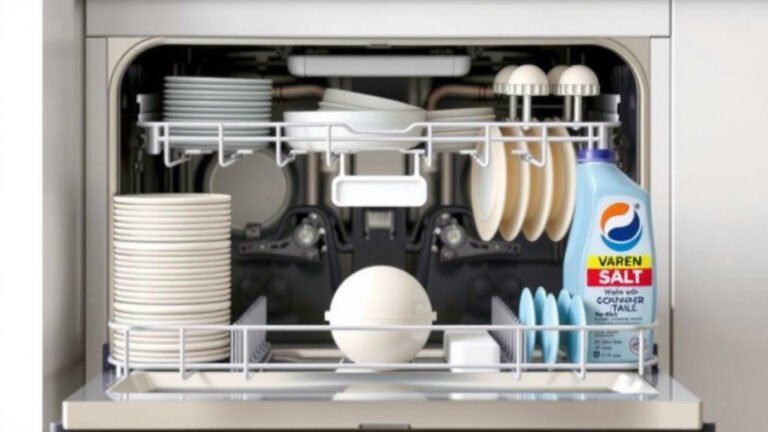
- Fill the rinse aid dispenser and keep it topped up. Rinse aid helps water sheet off dishes instead of leaving mineral spots.
- Add a dishwasher-safe cleaning tablet monthly to break down mineral buildup.
- Consider a whole-home or under-sink water softener if hardness is severe.
- Run the hot water at your kitchen sink for a few seconds before starting the cycle.
- Check your water heater temperature. Water around 120°F cleans well without baking on residue.
How to Deep Clean Your Dishwasher Step by Step
Good news: this whole problem usually takes one lazy afternoon to fix. Here’s the routine we found works best, and it requires almost zero special tools.
Your Deep-Cleaning Checklist
- Remove the bottom filter and rinse it under hot water with an old toothbrush.
- Pop off the spray arms and clear each hole with a toothpick or straight pin.
- Wipe the door seal and the edges of the door with warm, soapy water.
- Run an empty cycle with a dishwasher cleaner or a cup of white vinegar on the top rack.
- Sprinkle baking soda on the bottom and run a short hot cycle for freshness.
- Check the drain area at the bottom for any trapped glass, seeds, or labels.
How Often Should You Clean It?
Clean the filter every one to four weeks depending on how much you run the machine. Do a deeper clean with vinegar or a cleaner tablet monthly. That’s it. Two small habits, and the grit stops coming back.
We found that households with heavy cooking loads, think casseroles, pasta, rice, need filter checks more often. If you rinse dishes well before loading, you can stretch it a bit longer.
When Grit Signals Something Bigger
Occasionally, persistent grit means a part is failing. A worn pump or a broken chopper blade can leave debris in the water no matter how clean the filter is. If you’ve done the full deep clean and residue keeps returning, it may be time for a service call.
Standing water at the bottom of the tub is another red flag. That often points to a drain hose kink or clog. Many manufacturer manuals include troubleshooting steps, and a quick look there can save you a repair bill.
Everyday Habits That Prevent Gritty Dishes
Prevention beats scrubbing, every single time. A few small loading and maintenance habits keep the residue away for good.
- Scrape plates into the trash, but skip heavy rinsing. Modern detergents actually need some soil to work well.
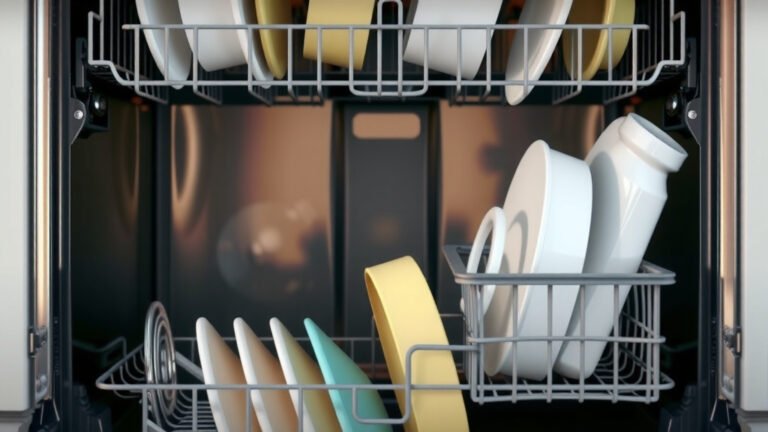
- Don’t overload the racks. Water needs room to reach every surface.
- Keep large items from blocking the spray arms mid-cycle.
- Use fresh detergent and store it in a dry, sealed container.
- Run the machine at least every few days so food doesn’t dry out and harden inside.
- Replace the filter if it’s cracked, bent, or smells bad even after cleaning.
Follow these habits for a few weeks and you’ll likely notice something wonderful: pulling out glasses that actually squeak. It’s a small domestic victory, and you’ve earned it.
Conclusion
That gritty stuff on your dishes has a simple explanation, and a simple fix. We found it almost always comes down to a dirty filter, clogged spray arms, too much detergent, or hard water minerals. The texture tells you which one you’re dealing with, and the deep-clean routine takes about an afternoon. Better yet, two small habits, checking the filter and running a monthly cleaner cycle, keep it from coming back. So pull out that filter, give it a good rinse under hot water, and run an empty cycle with vinegar tonight. Your next load of dishes should come out squeaky clean.
Frequently Asked Questions
Can gritty dishwasher residue make you sick?
It’s unlikely to cause serious illness, but old food particles and bacteria buildup aren’t something you want on your plate. If the grit has an orange or pink tint, give your machine a deep clean before using it for dirty dishes again. A hot, soapy wash of the affected dishes by hand is a safe stopgap.
Why do my glasses have sand-like grit but my plates don’t?
Glasses sit on the top rack, where redeposited debris often lands as water drains downward. Their smooth surfaces also make gritty particles more visible and easier to feel. The fix is the same either way, so check your filter first.
Should I pre-rinse dishes to stop the grit?
No, a full pre-rinse isn’t necessary and can actually hurt performance. Modern detergents need a little food soil to activate properly. Just scrape solid scraps into the trash and load the dishes as-is.
Can I use vinegar in every dishwasher cycle?
We’d advise against it. Frequent vinegar use can degrade rubber seals and gaskets over time. Use it once a month for a deep clean, and stick to rinse aid and proper detergent for everyday cycles.
How long does it take to fix a gritty dishwasher?
You should see improvement after the very first deep clean, which takes about 30 to 60 minutes of hands-on time. Stubborn detergent or mineral film may take two or three cycles to fully disappear. If grit keeps returning after that, it’s worth checking for a worn pump or calling a technician.