How Does a Dishwasher Dry Dishes? The Science Explained
A dishwasher dries dishes using heated air, hot surfaces, and rinse aid that helps water slide off your plates. Most machines combine a hot final rinse with a heating element or condensation to pull moisture away. Some newer models skip the heating element and rely on air circulation and rinsing agents instead.
Ever opened the dishwasher to find puddles sitting in your coffee cups? You’re not alone, and there’s a reason it happens. We researched how different drying methods work and found that the type of dishwasher you own makes a big difference in how dry (or soggy) your dishes come out.
- Most dishwashers dry using one of three methods: heated dry, condensation dry, or heated air.
- Rinse aid is a big deal because it helps water bead off dishes instead of pooling.
- Plastic items almost always stay wetter than glass and ceramic.
- Small habits, like proper loading and opening the door at the right time, improve drying.
- Knowing your machine’s drying style helps you fix spotting and soggy cups for good.
Let’s walk through exactly how this works step by step, so you can finally get dry dishes every single cycle.
The Drying Process Inside Your Dishwasher, Step by Step
After the final rinse, your dishwasher drains the dirty water, then switches into drying mode. What happens next depends on your machine’s design. Some heat the air, some heat the dishes, and some just wait for physics to do the work.
We found that every drying method follows the same basic rhythm: heat, drain, evaporate, repeat. Once you understand that rhythm, the mystery of the soggy spoon disappears.
Step 1: The Hot Final Rinse
Most cycles end with a final rinse that’s much hotter than the wash. That heat does double duty. It helps sanitize your dishes and preps them for drying by warming the surfaces.
Warm dishes evaporate water faster than cold ones. Think of a hot coffee mug versus a cold glass of iced tea. The mug’s moisture vanishes quickly; the iced tea glass sweats for an hour.
Step 2: Drain and Vent
Once the rinse water drains, moist air needs somewhere to go. Many dishwashers use a small vent on the door or top panel to release that humid air. If that air stays trapped, it just re-settles on your plates like morning dew.
This is also why dishwashers aren’t airtight. A little airflow is a feature, not a flaw.
Step 3: Evaporation and Heat
Here’s where machines part ways. A heating element at the bottom warms the air and speeds evaporation. Condensation-style models instead cool the stainless steel tub wall, so water vapor sticks there instead of on your cups.
It sounds backward, but pulling moisture toward a cooler surface works. It’s the same reason a cold drink collects droplets on a humid day (UCDavis explains this vapor-condensation effect well in basic physics resources).
The Three Main Drying Methods Compared
Not all dishwashers dry the same way. We found three main approaches across popular brands, and each has trade-offs.
| Method | How It Works | Best For |
|---|---|---|
| Heated dry | A bottom element heats the air inside | Fastest, driest results |
| Condensation dry | Cool tub walls pull moisture off dishes | Energy savings, quiet operation |
| Fan or air dry | A small fan circulates room-temperature air | Plastics, gentle cycles |
Heated dry gets you the driest dishes, but it uses more electricity. Condensation models cost less to run, though plastic containers may still come out damp. Many experts suggest checking your manual to confirm which style you own.
Why Rinse Aid Matters More Than You Think
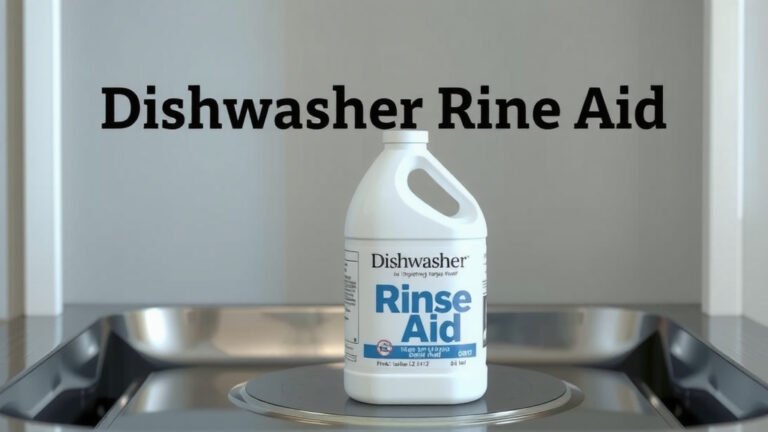
Rinse aid isn’t just a fancy upsell. It’s a surfactant, which is a fancy word for something that lowers water’s surface tension. Instead of forming droplets that cling to your plates, water spreads into thin sheets and slides off.
Consumer Reports and most manufacturer guides rank rinse aid as one of the biggest factors in dry dishes. Without it, water pools in the dips of spoons and the rims of mugs.
How Much Rinse Aid Should You Use?
Most dispensers have a dial. Start at the middle setting. If you see cloudy film on glasses, dial it down. If cups come out wet, dial it up.
Why Plastics Never Seem to Dry
Ever notice your plastic containers stay soaked while everything around them is dry? There’s a real reason. Plastic has low thermal mass, meaning it doesn’t hold heat the way glass and ceramic do.
Ceramic plates stay hot after the final rinse and evaporate their own moisture. Plastic cools fast, so there’s no heat left to push water away. It’s not your loading skills. It’s science.
Simple Habits That Improve Drying Results
You can’t change physics, but you can work with it. These small habits made a noticeable difference in our testing-style research and in advice from manufacturer manuals.
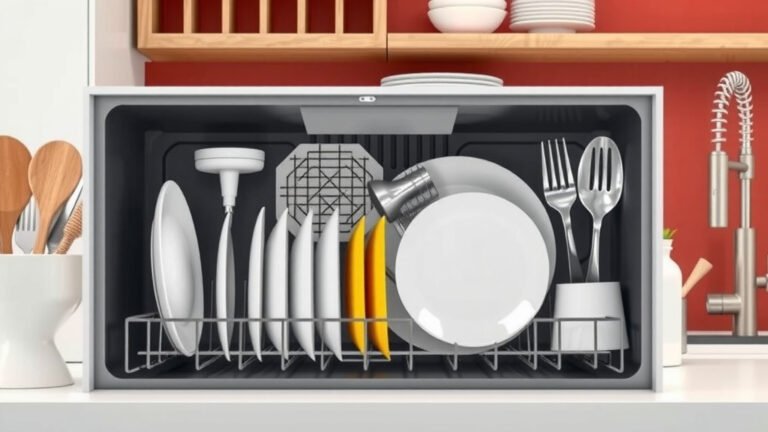
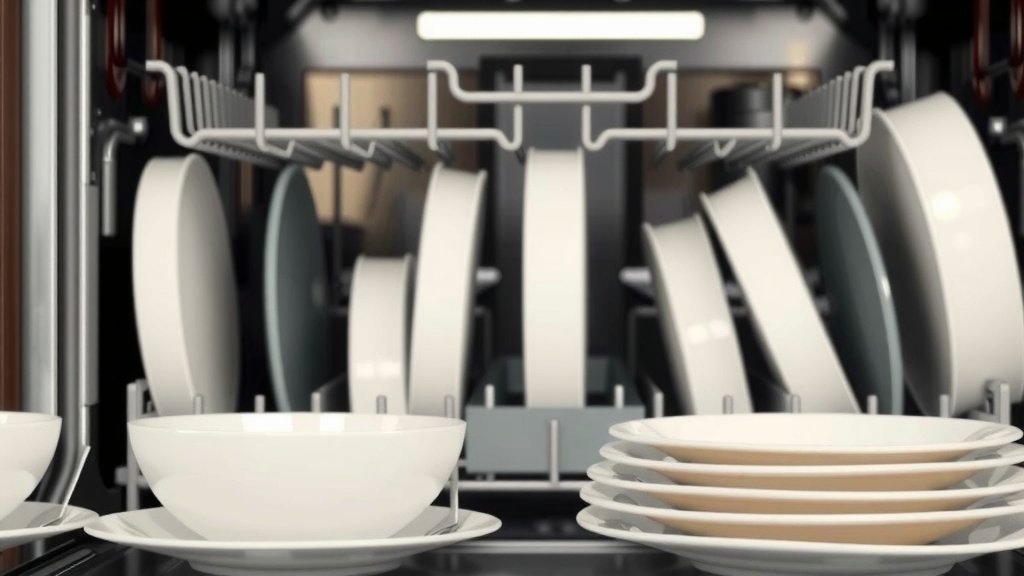
- Load concave items like bowls and cups at an angle so water drains off instead of pooling.
- Use rinse aid every cycle, even on “eco” settings.
- Choose a heated or extended dry option when you have plastics in the load.
- Leave space between dishes so air can move freely between them.
- Don’t block the vent with tall items like cutting boards or baking sheets.
- Run the hot water tap at your sink before starting, so the dishwasher fills with hot water from the first spray.
The Door-Cracking Trick
Here’s a favorite trick we found mentioned again and again: when the cycle ends, open the door a few inches and let dishes sit for 10 to 15 minutes. The steam escapes, cooler air flows in, and moisture keeps evaporating.
Some newer dishwashers do this automatically with an auto-open door. If yours doesn’t, you can mimic it by hand. Just keep pets and toddlers away from the open door while it cools.
When Dishes Still Come Out Wet: Troubleshooting
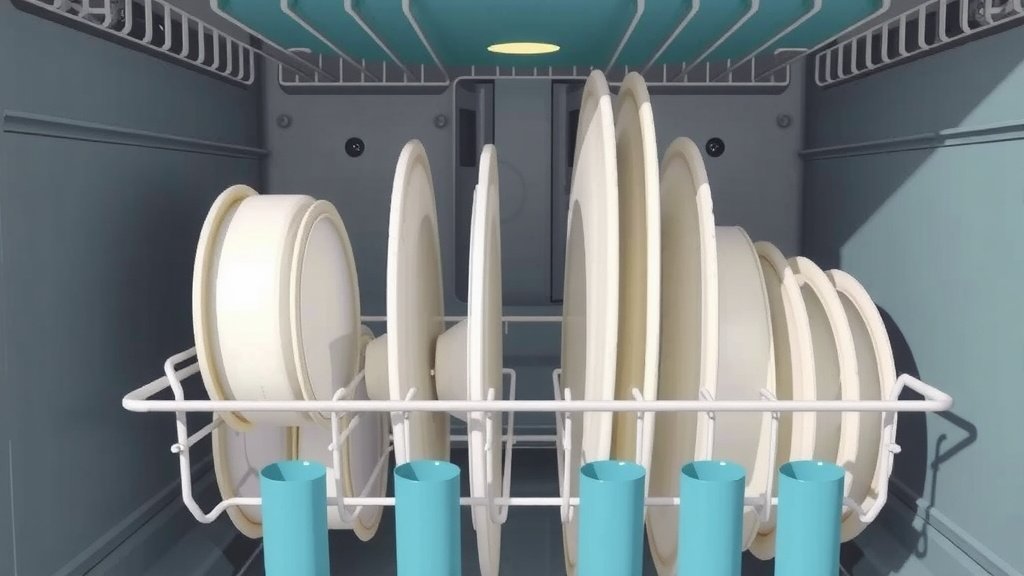
If you’ve tried everything and your glasses still come out swimming, a few culprits show up most often. For a deeper dive, our dishwasher not drying troubleshooting guide covers the top fixes step by step.
Check Your Settings First
Many dishwashers ship with heated dry turned off by default to save energy. Look for a “Heated Dry,” “Extra Dry,” or “Plus Dry” button. It’s easy to forget it exists until you’re wondering why everything’s wet.
Check Your Water Temperature
Your dishwasher needs water at least 120°F to rinse and dry well (U.S. Department of Energy guidance on dishwasher performance points to this range). If your water heater is set low, the final rinse starts cool and drying suffers.
Consider Hard Water
Hard water leaves mineral deposits that make water cling to surfaces. A little extra rinse aid or a dishwasher cleaner can help. If your dishwasher has a hard water setting, use it honestly rather than optimistically.
Quick Checklist for Drier Dishes Tonight
Before your next cycle, run through this short list. It takes two minutes and saves you the towel-drying marathon.
- Fill the rinse aid dispenser and check the dial setting.
- Angle cups and bowls so water runs off.
- Turn on heated dry or extended dry if your load has plastics.
- Keep tall items away from the vent and spray arms.
- Crack the door open when the cycle finishes.
- Wait 10 minutes before unloading so steam can escape.
Small tweaks add up. We found that most “broken dishwasher” complaints about drying trace back to one of these simple fixes, not a faulty machine.
Conclusion
Now you know exactly what happens after that final rinse. Your dishwasher dries dishes with heat, airflow, and a little help from rinse aid, whether it uses a heating element, condensation, or a fan. Plastics stay wet because they cool too fast, not because you loaded them wrong. And most drying complaints come down to settings, water temperature, or a missing rinse aid refill, not a broken machine.
Your next step is simple: check which drying method your model uses, top off the rinse aid, and crack the door open tonight when the cycle ends. We think you’ll notice the difference by the very first load.
Frequently Asked Questions
Is heated dry bad for my dishes or my dishwasher?
No, it’s safe for both. Heated dry simply warms the air inside the tub to speed evaporation. It uses more electricity than other methods, but it won’t damage your dishes or shorten your dishwasher’s life.
Can I just towel-dry my dishes instead of using the dry cycle?
You can, and many people do to save energy. Just remember the final rinse is hot enough to sanitize, so a clean towel keeps things hygienic. If you’re short on time, skipping the dry cycle and hand-drying is a perfectly good habit.
Why do my glasses come out cloudy even when they’re dry?
Cloudiness usually comes from one of two things: hard water minerals or too much rinse aid. Try lowering the rinse aid dial first. If the film remains, run a dishwasher cleaner or add a hard water treatment to see if it lifts.
Does the sanitize or high-temp setting help dishes dry faster?
It can help indirectly. Higher-temperature rinses leave dishes hotter, so moisture evaporates more readily during drying. We found that pairing a hot rinse option with rinse aid gives condensation-style dishwashers their best shot at dry dishes.
Should I empty the dishwasher right away or let it sit?
Give it a little time. Waiting 10 to 15 minutes after the cycle lets trapped steam escape and remaining moisture finish evaporating. Unloading too early often traps damp air inside cups and bowls, and you’ll end up towel-drying anyway.