When to Replace Your Dishwasher: Signs It’s Time
You’re likely wondering when it’s time to say goodbye to your trusty dishwasher. Generally, most dishwashers last between 7 and 15 years, but several signs signal it’s time for a replacement. Pay attention if you notice persistent leaks, dull dishes after a wash, or if your appliance starts making unusual noises.
A dishwasher’s lifespan depends on usage, maintenance, and the model’s quality. Sometimes, a simple repair can extend its life. Other times, the cost of repairs outweighs buying a new, more energy-efficient model. Older units might also lack the cleaning technology found in modern machines, leading to less than perfect results even after maintenance.
- Dishwashers typically last 7-15 years.
- Look for leaks, poor cleaning, and strange noises.
- Repair might be an option, but consider new models.
- New dishwashers offer better efficiency and cleaning.
Let’s walk through the common indicators that suggest it’s time to start shopping for a new dishwasher.
Figuring Out Your Dishwasher’s Retirement Age
Your dishwasher has likely served you well, tackling mountains of dirty dishes. But even the best appliances have a shelf life. Understanding when it’s time for a new one can save you money and frustration. Research and found that most dishwashers are designed to last somewhere between 7 and 15 years.
Of course, that’s a wide range, isn’t it? Many factors play a role. Think about how often you use it. A busy family might run theirs daily, while a single person might use it a few times a week. The quality of the machine itself also makes a big difference. High-end models often use more durable parts.
It’s not just about age, though. You’ll want to watch for specific warning signs that your current dishwasher is nearing its end. Ignoring these could lead to bigger problems or just plain disappointing results. Let’s look at what those signs are.
Signs Your Dishwasher Needs an Upgrade
1. Water Woes: Leaks and Drainage Problems
One of the most obvious indicators is a leaky dishwasher. If you’re finding puddles around the base of your machine after a cycle, that’s a red flag. It could be a cracked tub, a worn-out door seal, or a faulty hose connection. These types of leaks can cause water damage to your floors and cabinets.
Beyond just leaks, pay attention to how your dishwasher drains. If you open the door after a cycle and find a pool of dirty water at the bottom, your machine might have a clogged filter or a problem with the drain pump. Persistent drainage issues are a strong sign that repairs might become frequent and costly.
2. Cleaning Performance Takes a Dive
Are your dishes coming out less than sparkling? If you’re seeing food particles stuck on plates or glasses that look dull and spotty, your dishwasher is struggling. This could be due to a few things. The spray arms might be clogged, preventing water from reaching all areas effectively. Or, the water temperature might not be getting hot enough to properly sanitize and clean.
You might find yourself pre-rinsing dishes more than ever before. This defeats the purpose of a dishwasher, doesn’t it? If you’re constantly having to re-wash or hand-wash items, the appliance isn’t doing its job. Some experts suggest checking your water hardness and detergent first, but if those aren’t the culprits, the dishwasher itself may be the issue.
3. The Sound of Trouble: Unusual Noises
Dishwashers aren’t silent, but they should have a consistent hum or whirring sound during operation. If you start hearing loud grinding, clanking, or banging noises, something is likely wrong internally. These sounds often indicate a problem with the motor, the pump, or even something stuck in the impeller.
A high-pitched squealing might point to worn-out bearings in the motor or pump. Grinding sounds can mean debris is caught in the wash pump or that the pump itself is failing. These types of mechanical noises are rarely cheap to fix and can sometimes signal that a major component is on its way out.
4. The Smell Test: Lingering Odors
Is your dishwasher starting to smell a bit…off? A persistent musty or rotten smell after a cycle isn’t just unpleasant; it can indicate trapped food particles or mold growth inside the machine. While regular cleaning can help with minor odors, a persistent smell that won’t go away even after a deep clean might mean there’s a deeper issue with how the machine is circulating water or draining.
5. Age and Efficiency Concerns
Even if your dishwasher is still technically working, you might want to consider replacing it due to its age. Older models are often less energy-efficient than newer ones. The U.S. Department of Energy suggests that older appliances can use significantly more electricity and water than their modern counterparts.
Think about the cost of running an older machine. While a new dishwasher is an upfront expense, you could save money on your utility bills over time. Plus, newer models often come with advanced features that improve cleaning performance and water usage.
Repair vs. Replace: Making the Smart Choice
When Repairs Might Be Worth It
Sometimes, a dishwasher just needs a minor fix. If you’re dealing with a small leak that a new door seal can fix, or a clogged filter that’s easy to clear, a repair might be a good option. Simple maintenance tasks can often extend the life of your appliance for a few more years.
The general rule of thumb we found is to compare the cost of the repair to the cost of a new dishwasher. If the repair bill is more than half the price of a comparable new model, it’s usually time to replace. Also, consider the age of the unit. If it’s already 10 years old and needs a major repair, it might not be a wise investment.
When It’s Definitely Time for a New One
If your dishwasher is experiencing multiple issues from the list above, it’s likely time to start shopping. Persistent leaks, poor cleaning, and loud noises, especially on an older unit, are strong indicators. Furthermore, if you’re facing a repair that costs a significant amount, it’s probably more economical to invest in a new, more efficient model.
Modern dishwashers offer better cleaning technology, quieter operation, and superior energy efficiency. For instance, many new models meet ENERGY STAR requirements, meaning they use less energy and water. This can lead to noticeable savings on your utility bills over the appliance’s lifespan.
What to Look for in a New Dishwasher
Energy and Water Efficiency Ratings
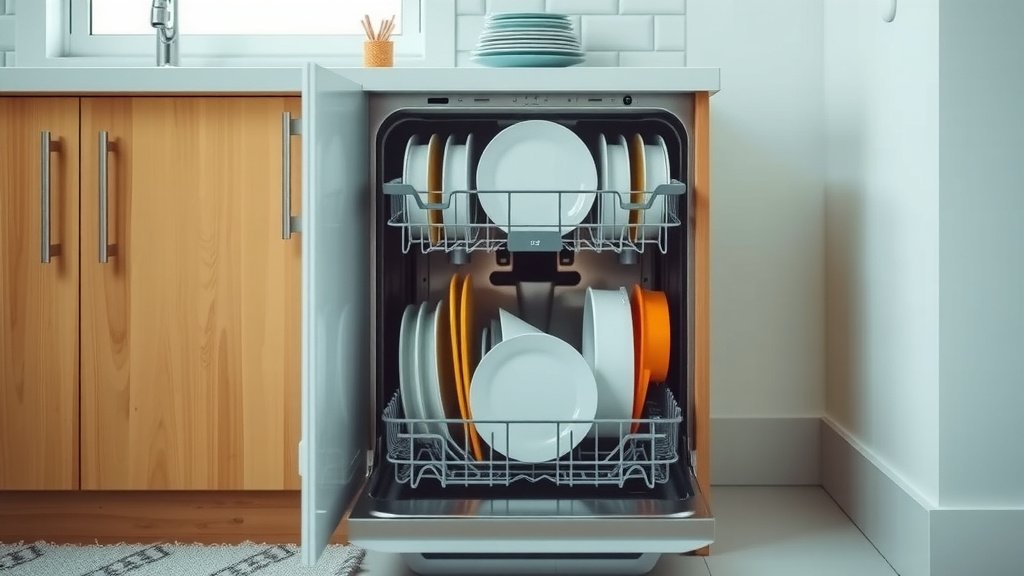
When you’re shopping for a new dishwasher, pay close attention to the ENERGY STAR label. Appliances with this certification are designed to be more efficient, using less energy and water than standard models. This is good for your wallet and the environment. You can often find these ratings on the product’s yellow EnergyGuide label.
Noise Level
If you have an open-concept kitchen, the noise level of your dishwasher can be a big deal. Dishwashers are measured in decibels (dB). We found that models below 50 dB are considered quiet, while those around 45 dB or lower are almost silent. Look for models that advertise quiet operation if noise is a concern for you.
Capacity and Features
Consider your household’s needs. Do you need a large capacity for big families, or will a standard size do? Look at features like adjustable racks, third racks for cutlery, soil sensors that adjust cycles automatically, and advanced wash systems for better cleaning. Many new dishwashers also offer smart features you can control from your phone.
Your Dishwasher Replacement Checklist
Ready to assess your current dishwasher? Here’s a quick rundown of what to check:
- Are there any visible leaks or water pooling?
- Are dishes consistently coming out clean, or are they spotted and dirty?
- Are you hearing any unusual noises like grinding or banging?
- Does the machine drain properly after each cycle?
- Does your current dishwasher seem much louder than newer models?
- Have you had to make frequent repairs recently?
Conclusion
Your dishwasher is a hardworking appliance, but it won’t last forever. By watching for tell-tale signs like leaks, poor cleaning, and strange noises, you can tell when it’s nearing the end of its service life. Remember, the general lifespan is about 7 to 15 years. Don’t let minor issues turn into major headaches.
When faced with costly repairs on an older unit, it’s often wiser to invest in a new, energy-efficient model. Take the step to assess your current dishwasher today using the checklist we provided. If it’s time for an upgrade, start exploring the latest options that offer better performance and savings.
Frequently Asked Questions
How often should I run my dishwasher?
Running your dishwasher daily is generally recommended if you have enough dishes to fill it. This prevents odors from building up and ensures you’re using water and energy efficiently per load. If you don’t have enough for a full load, consider using a half-load or eco setting if your machine offers one.
Can I fix a leaking dishwasher myself?
For minor leaks, you might be able to make simple repairs like replacing a worn door seal or cleaning a clogged filter. However, if the leak is substantial or you’re unsure of the cause, it’s best to call a professional. Water damage can be costly, so it’s better to be safe.
What does it mean if my dishes aren’t coming out clean?
If your dishes are still dirty, check for clogged spray arms or a dirty filter. Ensure you’re using the correct amount and type of detergent. If these simple checks don’t solve the problem, it could indicate a more serious issue with the dishwasher’s wash system or water heater.
Are older dishwashers really less efficient?
Yes, older dishwashers typically use more electricity and water than newer, ENERGY STAR-certified models. The U.S. Department of Energy estimates that models made before 2000 can use up to 10 gallons more water per cycle. Upgrading can lead to noticeable savings on your utility bills.
What’s a good decibel (dB) level for a new dishwasher?
For quiet operation, look for dishwashers with a decibel rating below 50 dB. Models around 45 dB or lower are considered very quiet and are ideal if you have an open-concept kitchen or are sensitive to noise. Louder models can be disruptive during operation.