Safely Load Baking Sheets in Dishwasher
Yes, you can load baking sheets in your dishwasher, but it’s not always straightforward. For Learn if stainless steel baking sheets are dishwasher safe.sparkling clean results, position them vertically between the tines, never flat. This prevents water pooling and ensures proper cleaning. Most modern dishwashers can handle them, but older models might need extra care.
Loading baking sheets properly is key to avoiding stubborn, baked-on messes. Many people struggle with food residue clinging to the metal. We found that the placement is everything. Avoid overcrowding your dishwasher, as this hinders water circulation and effective cleaning for all your dishes, not just the sheets.
- Load sheets vertically.
- Don’t lay them flat.
- Ensure water can reach all surfaces.
- Avoid overcrowding.
Let’s walk through exactly how to get your baking sheets clean without sacrificing your dishwasher’s performance. We’ll cover the best positioning and what to do about tough stains.
Dishwasher Dishwasher Loading: Your Baking Sheet’s Best Friend
Yes, your dishwasher can handle those pesky baking sheets! It might seem tricky, but with the right technique, you can get them sparkling clean. We found that proper placement is the secret weapon against baked-on grime. Let’s dive into how to make this happen without causing a plumbing disaster.
The Vertical Advantage: Why Sheets Stand Tall
The biggest mistake people make is laying baking sheets flat on the bottom rack. This is a recipe for disaster! Water and detergent can’t reach all the surfaces when the sheet is flat. This means stubborn food residue will remain. Research and user experiences consistently point to a different method.
Preventing the Pooling Problem
When a baking sheet lies flat, it acts like a little pool. Water gathers in the dips and on the surface. This trapped water prevents the spray arms from circulating effectively. Your dishwasher’s cleaning power gets significantly reduced. Think of it like trying to wash a car with a bucket of water versus a hose.
The Ideal Placement: Between the Tines
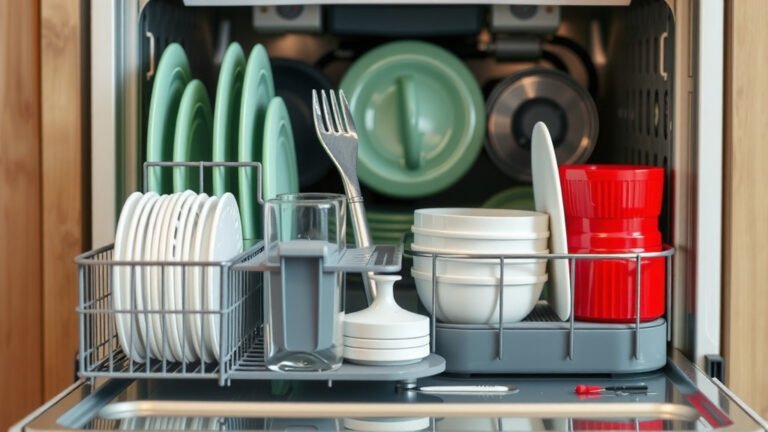
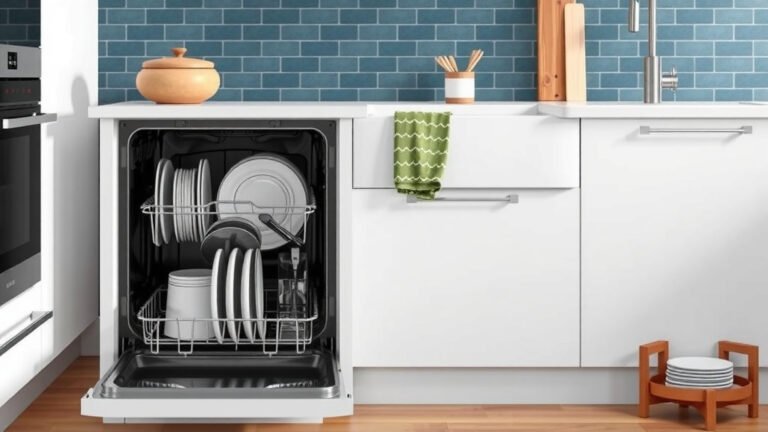
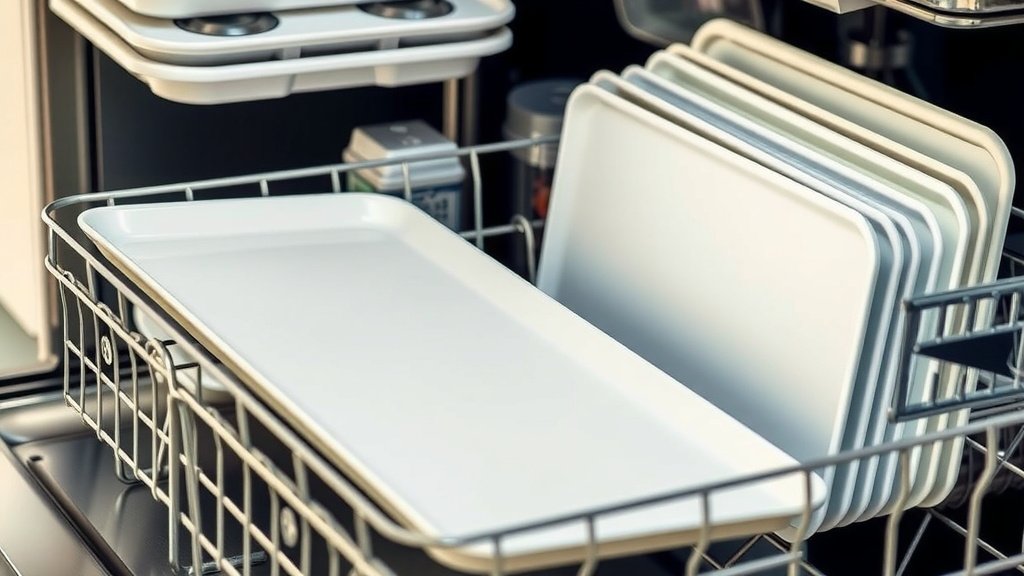
The best way to load baking sheets is vertically. Find a space on the **middle or lower rack** where you can stand the sheet upright. Position it between the tines of the rack. Ensure there’s enough space around it for water and detergent to flow freely. This allows water to cascade over the entire surface, cleaning both sides.
Clearing the Path for Water
Make sure nothing is blocking the spray arms. Before you start the dishwasher, give the spray arms a little spin by hand. They should rotate freely. If a baking sheet is too close, it might stop them. This is a simple check that can save your dishes from an incomplete wash.
Not All Sheets Are Created Equal
Most standard metal baking sheets will fit nicely. However, very large or unusually shaped ones might be a challenge. Always check your dishwasher’s manual for specific loading guidelines. Some manufacturers offer advice on handling larger items like baking sheets. Your goal is to ensure maximum exposure to water jets.
Tackling Tough Stains: Beyond Basic Loading
Sometimes, even with perfect placement, baked-on cheese or burnt sugar can be tough. Don’t despair! There are a few extra steps you can take. We’ve found that pre-treatment is often necessary for truly stubborn messes.
The Power of Pre-Soaking
Before loading, try soaking your baking sheets. Fill your sink with hot, soapy water. Let the sheets sit for at least 30 minutes, or even overnight for very tough stains. This loosens the burnt-on bits. A good scrub with a non-abrasive sponge afterwards can make a big difference.
Scrubbing Smarter, Not Harder
For really caked-on food, a bit of elbow grease is needed. Avoid steel wool or harsh scrubbers. These can scratch your baking sheets, especially if they have a non-stick coating. A paste made of baking soda and water is a gentle yet effective cleaner. You can also use a nylon brush or a soft cloth. Many experts recommend this method for safe cleaning (Good Housekeeping). A paste of baking soda and water can help with tough stains.
Dishwasher Detergent Boosters
If soaking and scrubbing aren’t enough, consider a dishwasher detergent booster. These are powders or liquids you add to your regular detergent. They help break down tough, baked-on food particles. Always follow the product instructions carefully. Some boosters can be quite powerful, so a little goes a long way.
When to Hand Wash: The Final Frontier
Despite your best efforts, some items might still require hand washing. If your baking sheet has a special coating or intricate design, the dishwasher might not be the best option. It’s always better to hand wash if you’re unsure. A quick wash by hand can preserve the lifespan of your favorite bakeware.

Optimizing Your Dishwasher Load
Loading baking sheets correctly is just one part of the puzzle. Your entire dishwasher load needs to allow for proper water circulation. Overcrowding is the enemy of a clean load. We found that leaving adequate space between dishes is essential for getting everything truly clean.
Spacing is Key for Every Dish
Imagine water trying to get through a packed car. It’s tough! The same applies to your dishwasher. Ensure there’s space between plates, bowls, and cups. This allows water jets to reach every surface. Proper spacing helps prevent dirty water from being redeposited onto clean dishes.
Rack Placement Matters Too
Always place items facing the spray arms. Point bowls and cups downwards. Plates should also face inwards. This ensures the water hits the dirty surfaces directly. A well-organized dishwasher is a happy, efficient dishwasher.
Your Baking Sheet Dishwasher Checklist
- Position baking sheets **vertically** between tines.
- Ensure sheets **don’t block** spray arms.
- Pre-soak or scrub **tough, baked-on stains**.
- Avoid **overcrowding** the dishwasher.
- Check your dishwasher manual for **specific guidance**.
- Use a **non-abrasive scrubber** to protect surfaces.
| Do | Don’t |
|---|---|
| Load vertically between rack tines. | Lay flat on the bottom rack. |
| Allow space for water circulation. | Overcrowd the dishwasher. |
| Pre-treat stubborn, burnt-on food. | Use steel wool or harsh scrubbers. |
| Ensure spray arms can rotate freely. | Place sheets so they block spray arms. |
Conclusion
You’ve learned the secrets to getting your baking sheets sparkling clean in the dishwasher! Remember, the golden rule is to load them vertically between the tines, never flat. This simple adjustment prevents water pooling and ensures your dishwasher’s spray arms can work their magic. For those really stubborn, baked-on messes, don’t forget the power of pre-soaking and a gentle scrub. By following these tips, you’ll keep your bakeware looking its best and your dishes perfectly clean.
Now, go ahead and tackle those greasy sheets with confidence – your dishwasher is ready!
Frequently Asked Questions
Will my dishwasher handle all my baking sheets?
Most standard metal baking sheets are dishwasher-safe. However, very large or unusually shaped ones might pose a challenge. Always check your dishwasher’s manual for specific loading recommendations and size limitations.
What if I have burnt-on cheese or sugar?
For tough stains, pre-soaking is your best friend. Let the sheets sit in hot, soapy water for at least 30 minutes, or longer for severe messes. Follow up with a scrub using a baking soda paste and a non-abrasive sponge.
Can I put my non-stick baking sheets in the dishwasher?
Many non-stick baking sheets are dishwasher-safe, but check the manufacturer’s instructions. Harsh detergents or vigorous scrubbing can sometimes damage the non-stick coating over time. Hand washing might preserve their lifespan longer.
How do I know if my baking sheets are blocking the spray arms?
Before starting the cycle, give the spray arms a gentle spin by hand. If a baking sheet or any other dish impedes their movement, it needs to be repositioned. Ensuring free rotation is key for effective cleaning.
Is it okay to mix baking sheets with other dishes?
Yes, you can mix them, but be mindful of space. Avoid overcrowding the dishwasher, as this hinders water circulation for all items. Make sure there’s enough room around the baking sheets for water and detergent to reach every surface.