Cutlery Tray vs Basket: Which Dishwasher Option Wins
When deciding between a dishwasher cutlery tray and a cutlery basket, the tray generally offers a superior clean for most items. Trays lay utensils flat, preventing nesting and ensuring water reaches all surfaces. While baskets are simpler, they can lead to spoons or forks sticking together, leaving them dirty.
We found that the choice often comes down to how you load your dishwasher and the types of silverware you own. Both have their place, but for that sparkling finish on every fork and knife, one method usually wins. Understanding the pros and cons of each can save you from re-washing.
- Cutlery trays clean better by keeping items separate.
- Cutlery baskets are easier to load and unload quickly.
- Trays prevent nesting, a common issue that leaves food behind.
- Baskets can be less effective for oddly shaped utensils.
- Your dishwasher model might only have one option.
Let’s walk through exactly what makes each option work and which one might be best for your kitchen. Let’s walk through exactly what makes each option work and which one might be best for your kitchen, including the benefits of a third rack.
“`htmlTray vs. Basket: Which Dishwasher Cutlery Holder Cleans Better?
When you unload your dishwasher, are you greeted with sparkling spoons or frustratingly streaky forks? The answer often comes down to how your dishwasher handles your silverware. We’ve found that the cutlery tray typically wins the battle for a superior clean, especially when compared to the traditional cutlery basket. Let’s dive into why one might leave your utensils spotless, while the other could have you reaching for the dishcloth.
Understanding the Cutlery Basket
Think of the cutlery basket as the classic, no-frills approach to dishwashing. It’s usually a separate compartment, often made of plastic or wire mesh, with individual slots or a general open space for your forks, knives, and spoons. You simply toss them in and let the dishwasher do its thing. It’s straightforward and many people are used to it.
How a Cutlery Basket Works
The basket is designed to hold your cutlery upright. Water jets spray from the bottom of the dishwasher, aiming to reach all the items within. The idea is that the force of the water will dislodge food particles and rinse them away. It’s a simple system that has worked for many years.
The Pros of Using a Cutlery Basket
One of the biggest draws of a cutlery basket is its ease of use. Loading and unloading are incredibly fast. You can just sweep your dirty utensils into the basket and then quickly grab them all at once when the cycle is done. This time-saving aspect is a huge benefit for busy households. Many dishwashers come standard with a basket, making it the default option for a lot of consumers.
The Cons of Cutlery Baskets: Where Things Go Wrong
Here’s where the basket can sometimes fall short. The main issue is utensil nesting. Spoons can nestle into forks, and multiple spoons can clump together. When this happens, water can’t reach all surfaces of the silverware. Food particles get trapped, and you end up with that dreaded sticky residue. We’ve all pulled out a spoon with dried oatmeal still clinging to it. Oddly shaped items, like serving spoons or spatulas, can also be challenging to clean effectively in a basket.
Exploring the Cutlery Tray
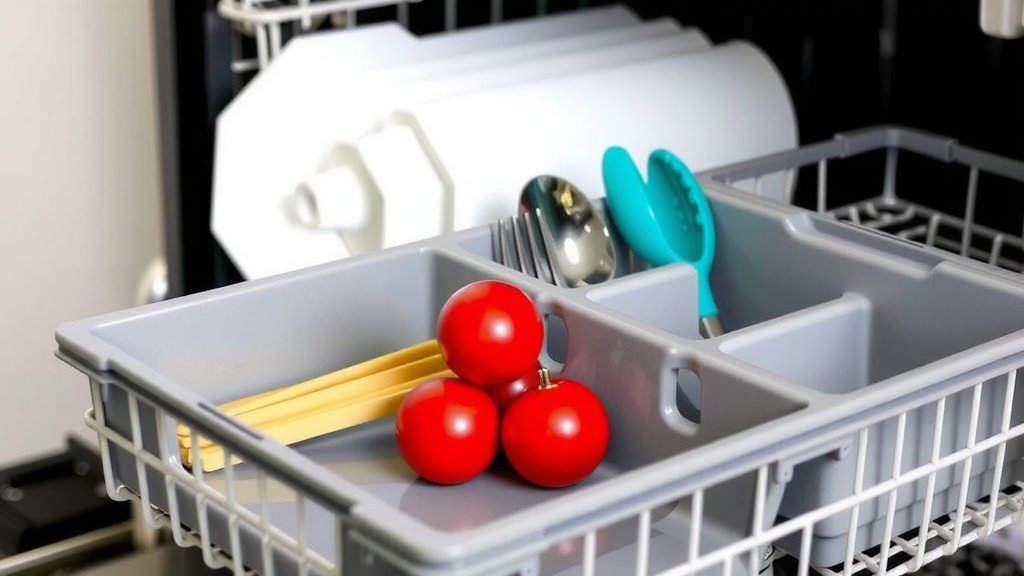
The cutlery tray is a more modern innovation. It’s a shallow, flat rack that sits at the very top of your dishwasher, usually just below the door. Your cutlery is laid out in a single layer across designated slots. This design has some distinct advantages for cleaning performance.
How a Cutlery Tray Cleans
With a cutlery tray, each utensil is placed flat and separately. This individual spacing is key. Water jets, often from multiple angles, can easily reach every surface of each piece of cutlery. Because the items aren’t piled on top of each other, there’s no hiding place for food debris. This design minimizes the chance of nesting, which is a common culprit for dirty silverware.
The Advantages of a Cutlery Tray
The most significant advantage is the superior cleaning. Research and consumer reports often point to trays providing a more consistent and thorough clean for cutlery. Every fork tine and spoon edge gets exposed to the wash water. This means fewer re-washes and less manual scrubbing. Many users report that their silverware comes out noticeably shinier. It’s also great for irregularly shaped items; they can usually be laid flat in their own space.
The Downsides of Cutlery Trays
While cleaning is great, there are a couple of trade-offs. Loading a cutlery tray can be more time-consuming. You have to carefully place each item in its designated slot. Unloading can also take a bit longer, as you’re removing items one by one. Some people find the tray a bit cramped, especially if they have a lot of larger serving utensils or bulky silverware. You also need to ensure your dishwasher is actually equipped with a tray; not all models come with them.
Tray vs. Basket: A Direct Comparison
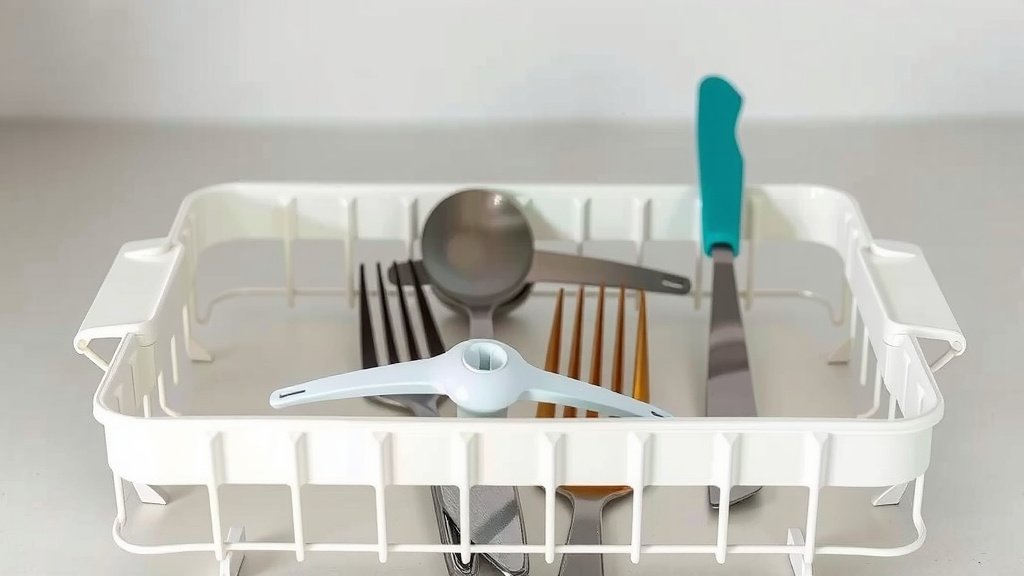
Let’s break down the core differences in a way that’s easy to see. When you’re trying to decide which is best for your needs, consider these points.
| Feature | Cutlery Basket | Cutlery Tray |
|---|---|---|
| Cleaning Effectiveness | Can struggle with nesting, leading to missed spots. | Excellent; individual spacing ensures thorough cleaning. |
| Loading Speed | Very fast; just toss them in. | Slower; requires individual placement. |
| Unloading Speed | Fast; grab a handful. | Slower; remove items one by one. |
| Nesting Issues | Common problem. | Rarely an issue. |
| Space for Large Items | Can sometimes accommodate, but cleaning may suffer. | Limited space; may not fit bulky items well. |
| Dishwasher Availability | Found in most models. | Less common; often on higher-end dishwashers. |
Making the Right Choice for Your Kitchen
So, which one is the champion? Based on our findings, if your priority is getting the cleanest possible silverware with the least amount of re-washing, the cutlery tray is generally the better option. Its design inherently prevents the common problems that plague baskets. However, if speed of loading and unloading is your absolute top concern, and you don’t mind the occasional extra wipe-down, a basket might still serve you well.
Consider your typical usage. Do you host often and need to quickly clear the table? A basket’s speed might appeal. Are you someone who notices every single speck of leftover food and wants pristine results every time? A tray is likely your best bet. Many modern dishwashers offer adjustable racks or even interchangeable tray/basket systems, giving you a bit of flexibility.
Tips for Better Cutlery Cleaning, Regardless of Type
No matter what kind of holder your dishwasher has, a few simple habits can improve your results:
- Scrape, Don’t Rinse: Most modern dishwashers are powerful enough to handle food scraps. Give them a good scrape into the trash, but avoid pre-rinsing every item.
- Mix It Up: Don’t put all your forks in one section and all your spoons in another. Mix different types of cutlery together. This helps prevent nesting in both baskets and trays.
- Handle Placement Matters: For baskets, try placing spoons and forks with handles facing up and down alternately. For trays, ensure items aren’t overlapping.
- Load Wisely: Don’t overcrowd your dishwasher. Give everything enough space for water to circulate.
- Check Your Water Jets: Make sure the spray arms in your dishwasher aren’t blocked and can rotate freely.
Ultimately, the best system is the one that fits your lifestyle and consistently delivers the clean dishes you expect. We found that while baskets are convenient, trays offer a more reliable path to sparkling silverware.
“`Conclusion
When it comes to achieving the cleanest silverware, your dishwasher’s cutlery setup makes a real difference. We’ve found that cutlery trays generally offer a superior clean by keeping each utensil separate, preventing the common problem of nesting that leaves food behind. While cutlery baskets offer speed and convenience for loading and unloading, they often require extra attention to ensure every fork and spoon is spotless.
If your main goal is truly sparkling cutlery with minimal re-washing, consider if a tray system is right for your needs. If your dishwasher doesn’t have one, it might be worth looking into models that do. For now, try implementing the loading tips we shared – they can help improve results with either system.
Frequently Asked Questions
Will a cutlery tray clean my silverware better than a basket?
Yes, research and user experiences suggest that cutlery trays generally provide a cleaner result. By laying each utensil flat and separate, they ensure water can reach all surfaces, greatly reducing the chances of food particles sticking around compared to items that might nestle together in a basket.
Is it harder to load and unload a cutlery tray?
Loading and unloading a cutlery tray can take a bit more time. You typically need to place each piece of cutlery individually into its slot. Unloading also involves removing items one by one, unlike the quicker ‘grab-a-handful’ approach often used with baskets.
Can a cutlery basket actually clean well if loaded correctly?
A cutlery basket can clean reasonably well if you’re careful with loading. Mixing different utensil types and alternating handle positions can help reduce nesting. However, even with careful loading, some items might still get shielded from water jets, potentially leading to less consistent cleaning than a tray.
My dishwasher only has a cutlery basket. Can I get a tray instead?
Some dishwasher manufacturers offer interchangeable racks or optional tray inserts that might fit your model. You can check your dishwasher’s manual or the manufacturer’s website to see if a compatible cutlery tray is available as an accessory for your specific appliance.
What’s the best way to load silverware in a basket to minimize cleaning issues?
To improve cleaning in a basket, avoid putting all the same utensils together. Mix forks, spoons, and knives throughout the basket. Try placing handles facing different directions (some up, some down) to further prevent them from clumping together and ensure water can reach all surfaces.