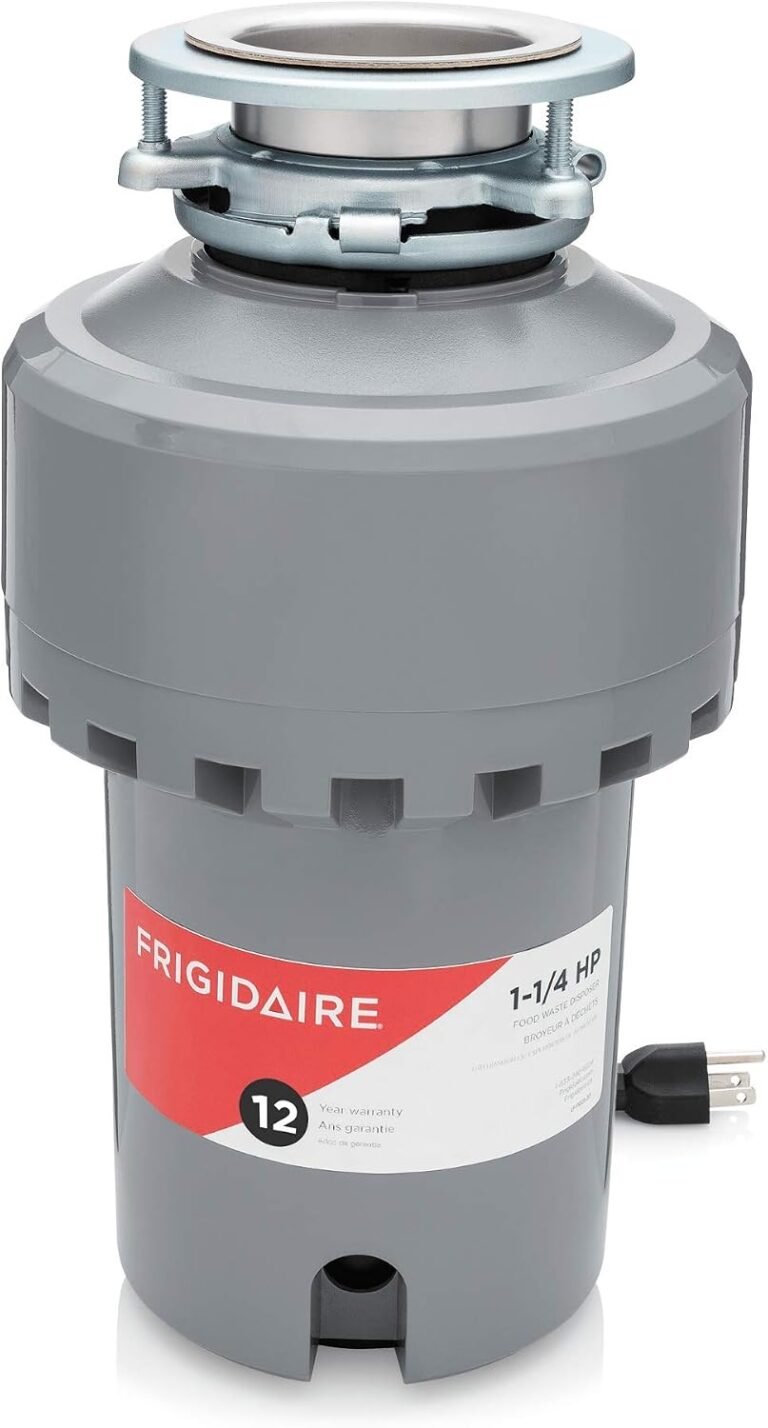
Garbage Disposal vs None: Which Is Right for You
Choosing between a garbage disposal and no garbage disposal ultimately comes down to your kitchen habits, your plumbing setup, and what you value most. For most modern households, a garbage disposal is the better choice because it cuts down on kitchen trash odor and makes cleanup a breeze. But skipping the unit is a totally smart move if you have a septic system, older pipes, or you prefer composting your food scraps.
The debate over garbage disposal vs no garbage disposal isn’t just about convenience. It touches on water usage, environmental impact, and even your monthly utility bill. We researched the trade-offs between food waste going down the drain versus straight into the trash bin. You’ll need to weigh factors like local sewage rules and how much you cook at home to pick the right setup.
- Winner for convenience: Garbage disposals grind scraps instantly, saving you trips to the outdoor bin.
- Winner for septic tanks: No disposal is safer, since ground-up food can disrupt the bacterial balance.
- Environmental angle: Disposals send organic waste to water treatment plants, while trash sends it to landfills.
- Cost check: Disposals cost $100–$300 plus installation, but they add resale appeal to your home.
- Simple rule: If you have modern plumbing and city sewers, get one. If not, skip it and compost.
Below, we break down the hidden costs, plumbing risks, and daily reality of living with each option. Let’s walk through the details together so you can make the right call for your kitchen.
Garbage Disposal vs No Disposal: Sorting Through Your Kitchen Setup
You want a kitchen that works for you, not against you. We found that most people decide between a disposal and a trash-only system based on how they cook and what their home can handle. Let’s strip away the marketing noise and look at the real differences you’ll notice every day.
Your plumbing is the first thing to think about. If you live in a home built after the 1980s with city sewers, a disposal is likely a safe bet. Older homes with cast iron pipes or a septic tank change the whole conversation.
How a Disposal Actually Works With Your Pipes
A disposal spins a metal plate at high speed to shred food scraps into tiny bits. Then water flushes those bits through your pipes. That’s the basic mechanics you’re dealing with.
Those tiny bits still need to travel somewhere. If your pipes are narrow or have sharp bends, ground-up food can settle and clump. Many experts say this is the main reason some neighborhoods see more drainage calls than others.
The Role of Water Flow in Preventing Clogs
You can’t just flip the switch and walk away. You need cold water running for a solid 20 to 30 seconds after the grinding stops. That water keeps everything moving toward the main sewer line.
We found that people who skip this step are the ones who end up calling a plumber. It’s not the disposal’s fault. It’s the lack of enough water to push the waste along.
Looking at Septic Systems and Alternative Options
If you’re on a septic system, the rules change completely. Your tank relies on a delicate balance of bacteria to break down solid waste. Ground-up food scraps add extra organic matter that can upset that balance.
Many guidelines point to limiting what you send into septic tanks, especially heavy food waste (Environmental Protection Agency). You can still use a disposal, but you’ll need to be much more careful about what goes down.
- Septic tanks need regular pumping every 3 to 5 years regardless of disposals
- Food scraps can increase solid waste in the tank by up to 25%
- Composting is the most septic-safe way to handle food scraps
- Some municipalities require special permits for disposals with septic
- Grease and oil should never go down any drain, disposal or not
Daily Convenience and Kitchen Habits
Think about your weeknight dinner routine. You prep vegetables, peel potatoes, scrape plates. Where does that waste go? This is where disposals shine for busy households.
Without a disposal, you’re scraping every plate into a trash can. You’re managing a compost bin or hauling bags outside more often. It adds up to a few extra minutes per meal, which becomes hours over a year.
Managing Odors With and Without a Disposal
Food scraps sitting in a trash can start to smell within hours. That’s especially true in warm weather or if you have fruit flies hovering around. A disposal grinds those scraps away immediately, so smells never get a chance to form.
That said, disposals can smell too if you don’t clean them. Bits of food get stuck under the rubber flap or on the grinding plate. A weekly rinse with citrus peels or baking soda keeps things fresh.
Trash Frequency and Bag Usage
You’ll fill fewer trash bags without food waste weighing them down. That means fewer trips to the curb and less money spent on bags. We found that a family of four can cut trash volume by nearly a third with a disposal.
For apartment dwellers, less trash means fewer trips down the hall or elevator. That’s a real convenience win that’s easy to overlook until you don’t have it.
Cost Analysis: Upfront and Ongoing Expenses
Money matters, so let’s break down the real numbers. A decent garbage disposal unit costs between $100 and $300 at big box stores. Professional installation adds another $150 to $400 depending on your setup.
If you’re handy with plumbing, you can install one yourself in a couple of hours. That’s the most affordable route if you have basic tools and a clear owner’s manual. If you prefer a cleaner countertop look, our guide to the best air switch for your disposal covers your options.
| Cost Factor | With Disposal | Without Disposal |
|---|---|---|
| Upfront equipment | $100–$300 | $0 |
| Installation labor | $150–$400 if hired | $0 (compost bin $50–$150) |
| Water usage per week | +20–30 gallons | No change |
| Electricity for grinding | Minimal, about $1–$2/month | $0 |
| Trash bags per month | Fewer bags (save $5–$10) | Standard usage |
| Potential plumbing repairs | Possible clogs every few years | Rarely needed for food waste |
Resale Value and Homebuyer Preferences
Real estate agents we’ve seen report that disposals are an expected feature in most kitchens. Buyers rarely ask for a home without one. When comparing two similar houses, the one with a disposal often wins.
That doesn’t mean you should install one just for resale. But if you’re planning to sell within a few years, skipping a disposal could make your kitchen feel outdated to some buyers.
Environmental Impact of Your Food Waste Decision
Here’s where the choice gets interesting. Food waste in landfills breaks down without oxygen and produces methane gas. That’s a potent greenhouse gas that contributes to climate change.
When food goes through a disposal, it ends up at a water treatment plant. Those facilities can often capture methane and use it for energy. Some cities even turn treated biosolids into fertilizer for farms.
Comparing Landfill Methane and Water Treatment
Methane is roughly 28 times more harmful than carbon dioxide over a 100-year period (United States Environmental Protection Agency). Keeping food out of landfills reduces methane production at the source.
Water treatment plants are built to handle organic waste. They use aerobic digestion, which produces less harmful byproducts. This makes disposals a more eco-friendly option when you have access to municipal sewer systems.
Composting as the Gold Standard
Composting beats both options for environmental impact. You turn food scraps into nutrient-rich soil that helps plants grow. No water wasted, no methane produced, no energy used for grinding.
But composting requires space, time, and effort. Not everyone has a backyard or the patience for managing a pile. If you’re an apartment dweller, worm composting or electric composters are alternatives, though they come with their own costs.
What NOT to Put in a Garbage Disposal
Many people think disposals can handle anything if it’s small enough. That’s a myth. Certain foods will wreck your blades and clog your pipes quickly.
We found that grease is the number one culprit for disposal-related plumbing issues. Even small amounts coat your pipes and catch other debris as it flows past.
- Never send cooking grease, oils, or fatty sauces down the drain
- Avoid fibrous vegetables like celery, corn husks, and artichokes
- Skip starchy foods like potato peels and pasta that turn into paste
- Don’t grind coffee grounds unless you run extra water
- Keep bones, fruit pits, and seeds out of the unit
- Never put non-food items like utensils, bottle caps, or twist ties
How to Identify a Quality Disposal Unit
If you decide a disposal is right for you, not all models are equal. Look for a stainless steel grinding chamber rather than galvanized steel. Stainless resists rust and stays sharper for longer.
Check the horsepower rating. A 3/4 horsepower unit handles most household needs comfortably. If you cook large meals often, a 1 horsepower motor gives you extra headroom.
Quick Checklist Before Making Your Choice
We created a simple checklist to help you weigh the trade-offs without second-guessing yourself. Run through this list and tally your answers. Honest answers lead to better decisions.
This checklist covers the most common factors that sway people one way or the other. Your situation is unique, so trust your gut after reviewing these points.
- Is your home connected to a municipal sewer system?
- Are your pipes made of modern PVC or older metal materials?
- Do you cook most meals at home versus eating out or ordering in?
- Are you willing to manage a compost bin or food scraps in the trash?
- Does your local water treatment plant accept food waste well?
- Will you commit to weekly disposal cleaning to control smells?
Making a Final Decision for Your Kitchen
You now have the full picture. Disposals offer unmatched convenience for everyday kitchen cleanup. They cut down on trash odor and trip frequency while sending organic waste to treatment plants that handle it well.
No-disposal kitchens work best for septic systems, older plumbing, and people who compost religiously. The trade-off is more trash management and potential odor issues, but you save money upfront and reduce water usage.
Research and found patterns show that modern homes with city sewers benefit most from disposals. If your situation matches that, the choice is clear. If you’re hesitant or have a septic tank, skipping it and composting is a perfectly valid route.
Whichever way you go, the key is to be intentional. Match your kitchen setup to your actual habits, not to what your neighbor does. That’s the best way to build a kitchen that truly serves you.
Conclusion
You now have both sides of the garbage disposal vs no garbage disposal debate. For most homes on city sewers, a disposal wins on daily convenience and trash reduction. You’ll skip smelly bins and make cleanup faster every single day.
But we respect the no-disposal route. It’s smarter for septic tanks, older pipes, and committed composters. You save money upfront and keep your water usage lower.
Here’s your next step: run through our quick checklist one more time. Be honest about your cooking habits and plumbing. That simple review tells you exactly which way to go. Then commit fully. Either choice works great when you match it to your home.
Frequently Asked Questions
Can a garbage disposal handle all food scraps?
No, you need to be picky. Bones, fibrous vegetables, and starchy foods like potato peels can cause problems. You’ll get the best results by sticking to soft scraps and running plenty of cold water.
How long does a garbage disposal typically last?
You can expect most units to last between 8 and 15 years. The lifespan depends on how often you use it and whether you grind hard items. Sticking to approved food scraps helps you get more years out of your unit.
Does using a disposal waste a lot of water?
Yes, you’ll use more water than scraping plates into the trash. We found the extra amount is about 1 to 2 gallons per use. For a family cooking daily, that adds up to roughly 20 to 30 gallons per week.
Will a disposal damage my septic system right away?
Not instantly, but it adds up over time. Ground food increases the solid waste entering your tank. You can still use one if you’re careful, but you’ll need more frequent pumping to keep things balanced.
Are garbage disposals common in new homes?
Most builders install them as a standard feature. Real estate research and found patterns show that buyers expect a disposal in the kitchen. You’ll find them in the vast majority of newly built homes across the country.