Garbage Disposal Do’s and Don’ts Every Homeowner Needs
Yes, using your garbage disposal safely comes down to running cold water and easing food in slowly. We found that most disposal problems stem from people packing too much food in at once. You can protect your unit by remembering that less is more when it comes to feeding it.
Your garbage disposal is a workhorse, but it has limits. It is not a trash can; it’s a machine designed to grind up small food scraps. We found that treating it with care prevents costly clogs and unpleasant smells. A little common sense goes a long way to keeping your kitchen running smoothly.
TL;DR:
- Always use cold water, not hot, to keep grease solid and flushing waste away.
- Feed it small amounts of food slowly rather than dumping a whole plate in.
- Bones and fibrous foods like celery can jam your disposal and should be avoided.
- Never put grease, oil, or coffee grounds down the drain—they cause clogs.
- Clean it regularly with ice and citrus to keep it fresh and sharp.
Below, we break down exactly how to use your disposal the right way, step by step. Let’s walk through the daily habits and common mistakes that keep this handy appliance running for years.
Using Your Disposal the Smart Way
You want a disposal that lasts for years, not months. The secret? Build good daily habits. We found that the way you feed your unit matters more than the brand you buy.
Think of your disposal like a blender. You would not toss a whole roast in a blender. The same logic applies here. Small batches work best. This simple habit prevents most jams and breakdowns.
Turn On the Water First, Not Last
Always start the cold water before you flip the switch. Let it run for a few seconds. Then, add your food scraps.
Cold water keeps fats and oils solid. This helps them flush through the pipes instead of coating them. Hot water melts grease, which then cools and hardens further down the drain. That is a recipe for a clog.
Keep the water running for about 15 to 20 seconds after you shut the disposal off. This flushes the waste all the way out. Your pipes will thank you.
Feed It Slowly, in Small Batches
We found that rushing is the main cause of disposal problems. People shove food in, turn it on, and hope for the best. That approach leads to jams.
Add a small handful of scraps at a time. Let the grinding sound return to normal before adding more. If the motor sounds strained, stop feeding it. Give it time to catch up.
You should hear a smooth, consistent hum. If you hear a loud rattle or grinding, you likely have a foreign object stuck inside. Turn everything off and investigate before continuing.
What to Avoid Putting Down the Drain
Your disposal is tough, but it is not invincible. Certain items will wreck the blades or clog your pipes. We found that most service calls trace back to a few common culprits.
Be honest with yourself. If you would not chew it, your disposal probably should not handle it either. Here is a quick guide to what stays out of the sink.
Fibrous Foods That Tangle
Celery, corn husks, and artichoke leaves are stringy. The blades chop them, but the fibers wrap around the spinning parts. Over time, this creates a matted mess that stops the motor.
Onion skins and asparagus spears cause the same issue. Save these for the compost bin. If you must use the disposal, cut them into tiny pieces first and feed them sparingly.
Potato peels are tricky too. They turn into a thick paste that can coat the drain walls. That paste traps other debris and forms a stubborn clog.
Grease, Oil, and Fat Are Pipe Killers
Pouring bacon grease down the sink feels efficient in the moment. It is liquid, so it should flow right through, right? Wrong.
The grease cools quickly and sticks to the inside of your pipes. It builds up layer after layer. Eventually, you have a solid blockage. Liquid oils like olive oil are just as bad.
Pour fats into a heat-safe container. Let them solidify and toss them in the trash. This small step prevents expensive plumbing bills down the road.
Hard Items That Damage Blades
Small bones from chicken or fish are usually safe. Big, thick bones from beef or pork are not. They can blunt the grinding components or cause the motor to overheat.
Fruit pits and seeds are another no-go. Peach pits are like rocks to your disposal. They can chip the blades or get stuck in the drain trap.
Coffee grounds are a sneaky problem. They seem harmless and gritty. But they pack down tightly in pipes and create a dense sludge. Use them in your garden instead.
How to Clean and Freshen Your Disposal
A smelly disposal ruins the whole kitchen vibe. The good news is that cleaning it takes minutes using items you already own. Weekly maintenance keeps things fresh and sharp.
We found that most odors come from food particles trapped in crevices. Regular cleaning removes that buildup. It also keeps the blades sharp and working efficiently.
The Ice Cube Trick for Sharp Blades
Drop a handful of ice cubes into the disposal. Turn on the cold water and run the unit. The ice acts like sandpaper. It knocks off grime and sharpens the blades as it grinds.
Add a few lemon or orange peels with the ice. The citrus oils neutralize smells. Your kitchen will smell like a fresh cleaner, not a garbage bin.
We found that doing this once a week is enough for most households. If you cook heavily, do it twice. Your nose will tell you if it needs more attention.
Baking Soda and Vinegar Deep Clean
This classic combo works wonders for stubborn odors. Sprinkle half a cup of baking soda into the disposal. Then pour in a cup of white vinegar.
Let the mixture fizz for a few minutes. The bubbling action loosens grime from the grinding chamber. Rinse with hot water for about a minute afterward.
Many plumbing experts recommend this method monthly. It is gentle on the machine but tough on smells. It beats buying chemical cleaners that can corrode the parts.
Daily Habits That Extend the Life of Your Disposal
Small routines add up over time. We found that households with consistent habits have fewer repairs. It is about being mindful, not fussy.
Here is a simple checklist to keep you on track:
- Run cold water for 15 seconds before turning it on. This primes the drain.
- Feed scraps slowly, in small handfuls. Let the motor catch up between batches.
- Keep the water running 20 seconds after you finish. This flushes all waste clear.
- Never use hot water with the disposal. Cold keeps grease solid.
- Throw fibrous and hard items in the trash. Protect the blades from stress.
- Clean with ice and citrus weekly. This keeps it sharp and fresh.
These habits take maybe 30 extra seconds per meal. That is a tiny price for avoiding a plumber visit. Your wallet and your nose will both benefit.
Troubleshooting Common Disposal Issues
Even with great habits, things can go wrong. Most issues are fixable at home without calling a pro. We found that knowing the basics saves you time and money.
Stay calm. Most disposal problems are not emergencies. With the right steps, you can get back to cooking in no time.
When Your Disposal Jams or Hums
A humming motor usually means something is stuck. The motor has power, but the blades cannot spin. Do not keep flipping the switch. That can burn out the motor.
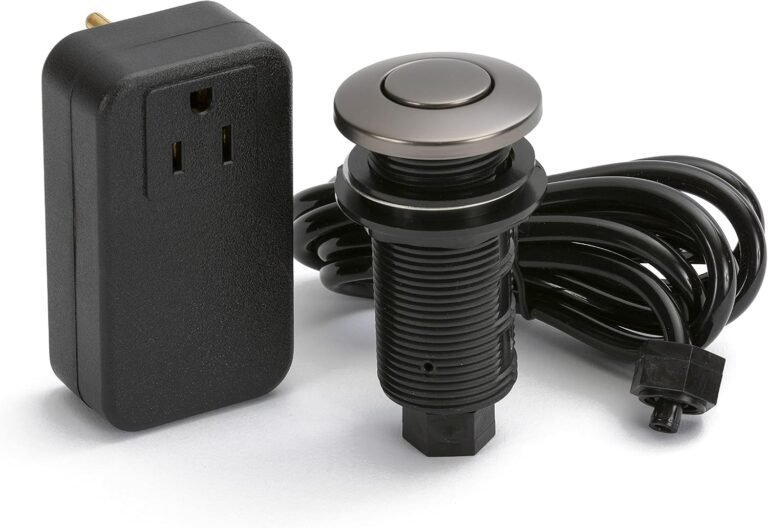
Turn the power off. Use the hex wrench that came with your unit. Insert it into the hole at the bottom and turn it back and forth to free the jam. For a safer, more convenient way to control your unit, our guide to the best air switch for your disposal explains the options.
Many experts suggest checking for a reset button on the bottom. If the unit overloads, it trips a breaker. Press the reset button and try again. Always check both before calling for help.
Dealing with Slow Draining Water
If water pools in the sink after use, you have a partial clog. The disposal is fine, but the pipe is blocked. This usually means grease or food built up over time.
Try the baking soda and vinegar method first. If that does not clear it, use a plunger. You can also snake the drain from under the sink.
We found that catching clogs early makes them easier to fix. Tackle slow drains right away. Waiting only makes the blockage worse and harder. Your patience will be rewarded with a free-flowing sink.
| Food Type | Disposal Safe? | Best Disposal Method |
|---|---|---|
| Soft fruit scraps | Yes | Feed slowly with cold water |
| Cooked pasta and rice | Yes | Small amounts, avoid huge clumps |
| Chicken bones (small) | Yes | One or two at a time |
| Celery and fibrous stalks | No | Trash or compost bin |
| Grease and cooking oil | No | Cool, solidify, toss in trash |
| Large animal bones | No | Trash or stock pot |
| Coffee grounds | No | Garden compost or trash |
| Potato peels | Caution | Tiny batches only, use lots of water |
Knowing When to Call a Professional
Some problems go beyond what you can fix. If you tried the reset button and the wrench, but the unit still hums, stop. You need a second opinion.
A persistent bad smell after deep cleaning means food is trapped somewhere unreachable. A plumber has tools to find and remove it. Don’t wait until water backs up into the sink or dishwasher.
We found that handling problems early avoids bigger damage. A small repair now beats a full replacement later. Trust your gut. If something feels off, it probably is. Your future self will appreciate the foresight.
Conclusion
Your garbage disposal is a handy tool, but it works best when you treat it with a little respect. We found that the golden rule is simple: cold water, small batches, and patience. Skip the grease, fibrous scraps, and coffee grounds. Clean it weekly with ice and citrus to keep it sharp and fresh.
You do not need expensive products or complicated routines to protect your investment. Just build a few smart habits into your daily kitchen flow. Start today by running your disposal with cold water and a handful of ice cubes. Your drain will stay clear, your kitchen will smell great, and you will avoid costly plumber visits for years to come.
Frequently Asked Questions
Is it okay to use a garbage disposal with a septic tank?
Yes, but you need to be more careful. The extra food waste adds solids to your septic system, so you should pump the tank more often. Keep fibrous foods and grease out completely. You can also add a septic-safe treatment to help break things down.
Why does my garbage disposal smell even after cleaning it?
A persistent smell usually means food is trapped in the rubber baffle or deep in the drain line. Lift the rubber splash guard and wipe underneath it with a sponge. You can also pour a mixture of baking soda and vinegar down the drain and let it sit overnight for a deeper clean.
Can I put lemon peels in the garbage disposal every day?
A few lemon peels here and there are fine, but daily use might be too much. Citrus fibers are not as tough as celery, but they can still build up over time. Stick to a weekly cleaning routine with ice and citrus instead of adding peels every time you use the sink.
Should I run the disposal when I’m not using it?
No, running an empty disposal wears down the blades faster. The grinding components need food or ice to stay sharp. Only turn it on when you are actually feeding something through. Running it dry just wastes electricity and causes unnecessary wear.
How do I know if my disposal blades are dull?
If your disposal takes longer to grind food or leaves larger chunks behind, the blades are likely dull. You will also notice a louder, straining sound from the motor. Run a batch of ice cubes through it to sharpen the blades. If that does not help, it may be time for a replacement unit. If you’re considering a replacement, our budget-friendly disposal review covers a reliable option.