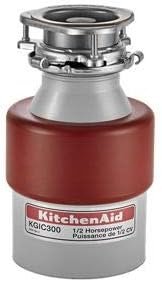
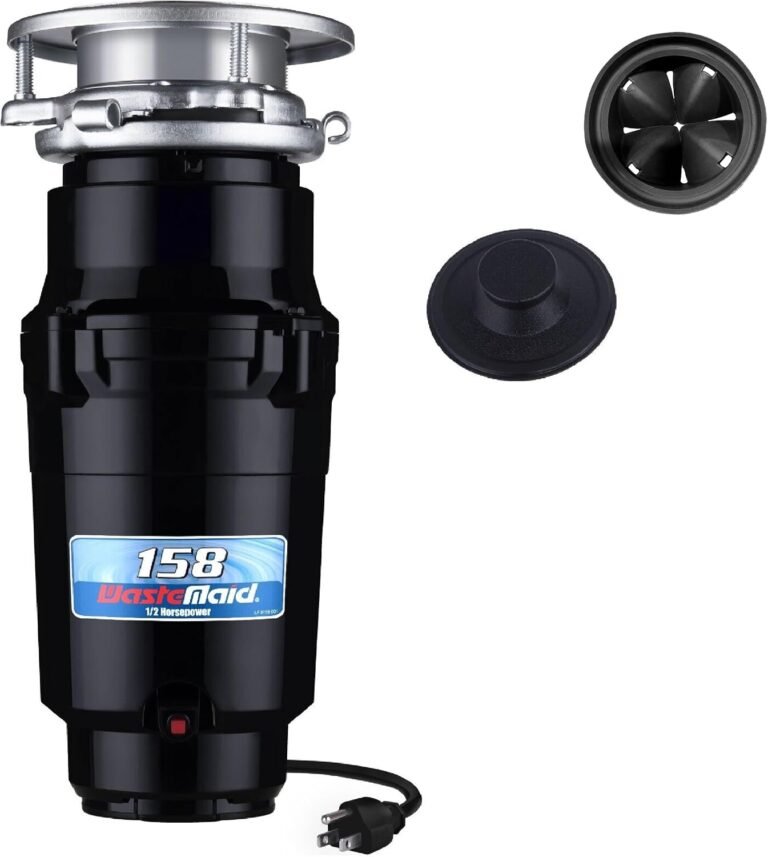
Garbage Disposal Maintenance: 7 Easy Tips That Work
The best way to handle garbage disposal maintenance is to flush it with cold water, use ice cubes and salt to clean the blades, and run it regularly to prevent rust and clogs. You should never use hot water or chemical drain cleaners. These simple habits keep your disposal fresh and prevent expensive repairs.
Your garbage disposal works hard, grinding up food scraps day after day. Regular upkeep is simple and takes just a few minutes each week. We found that most homeowners only think about their disposal when something goes wrong, like a bad smell or a jammed motor. You can avoid those problems with a simple routine that uses items you already have in your kitchen.
- Run cold water 15-30 seconds before and after each use.
- Grind ice cubes and rock salt monthly to sharpen the blades and clean the chamber.
- Cut citrus peels to naturally deodorize the unit.
- Never put grease, fibrous veggies, or starchy foods down the drain.
- Check for leaks and tighten connections every few months.
Below, we walk you through the exact steps for a complete garbage disposal maintenance routine, plus the common mistakes that cause breakdowns. We will keep it simple and practical so you can get it done this weekend.
Keeping Your Disposal in Top Shape
Your garbage disposal is a workhorse. It grinds food scraps so your drains stay clear. But it needs regular attention to keep working well. Skipping simple care can lead to bad smells, clogs, and expensive repairs. The good news? A solid routine takes just a few minutes a week.
Think of your disposal like a blender that lives in your sink. You would not leave a blender dirty and expect it to work well forever. The same logic applies here. A little care goes a long way.
Why Routine Care Matters More Than You Think
Many people treat their disposal like a magic trash can. They toss everything down there and hope for the best. That approach rarely ends well. Over time, food residue builds up on the inner chamber. This sticky layer traps bacteria and causes foul odors. It also dulls the blades over time.
We found that most disposal failures trace back to a lack of regular cleaning. A quick weekly rinse and a monthly deep clean can prevent most common issues. You will save money and avoid the headache of a broken unit. Plus, a clean disposal keeps your whole kitchen smelling fresh.
Building a Simple Weekly Cleaning Habit
You do not need fancy products to keep things fresh. In fact, the best tools are probably already in your kitchen cabinets. Let us break down the simple steps we recommend for a basic weekly routine. These tasks take less than five minutes total.
The Cold Water Rule You Should Never Break
Always use cold water when running your disposal. Hot water can melt fats and grease. When they cool, they solidify and cling to the pipes. This creates stubborn clogs over time. Cold water keeps fats and oils solid, so they get flushed through easily.
Run cold water for about 15 to 30 seconds before you turn on the disposal. Keep water running for another 15 seconds after the grinding stops. This simple habit flushes everything out of the chamber. It also helps move waste through the drain line, which prevents buildup.
Think of it as a rinse cycle for your sink. Short and effective. This one habit alone can cut down on odors and clogs dramatically. Make it non-negotiable for everyone in your home.
Kitchen Scraps to Keep Away
Your disposal is powerful, but it is not invincible. Some foods are just too tough or problematic. We curated a list of the top offenders based on common plumber reports. Keep these out of your unit:
- Grease and cooking oil — they solidify and clog pipes fast.
- Coffee grounds — they pack down into a dense sludge.
- Fibrous vegetables — celery, corn husks, and artichokes tangle around blades.
- Starchy foods — pasta, rice, and potato peels turn into paste.
- Large bones and pits — they can jam or dull the motor.
- Seeds and nuts — they create a gritty paste that is hard to wash away.
When in doubt, toss it in the trash or compost bin. Your disposal will thank you. Many municipal guidelines recommend scraping plates into the trash first anyway. This reduces the load on your plumbing system.
Deep Cleaning Your Disposal Monthly
A weekly rinse keeps things running. But a monthly deep clean removes built-up grime and sharpens the blades. You will notice a fresher smell and better performance after just one session. Plus, it is oddly satisfying to see the water run clear.
Using Ice and Salt for a Sharp Blade Boost
One of the best tricks we found is grinding ice cubes. Drop a tray of ice cubes into the disposal. Add about half a cup of rock salt or coarse kosher salt. Turn on the cold water and run the disposal until the ice is gone. The ice and salt work together to scrape away grime from the chamber walls.
The salt acts as an abrasive. It scrubs the inside of the disposal, loosening stubborn bits of food. The ice cubes also help knock off residue. Bonus? This combination helps keep the blades sharp by removing dulling buildup. It is like giving your disposal a mini spa treatment.
Many appliance experts point to this method as a safe and effective cleaning technique. It avoids harsh chemicals that can corrode internal parts. Your disposal will run quieter and more efficiently after this simple treat.
Natural Deodorizing with Citrus Peels
Nothing beats a fresh-smelling kitchen. After you finish the ice and salt scrub, grab some citrus peels. Lemons, limes, or oranges all work great. Toss a few peels into the disposal while running cold water. The natural oils in the peels neutralize odors and leave a bright, clean scent.
This is a much safer option than chemical deodorizers. Many commercial drain cleaners and fresheners contain harsh ingredients. They can damage the rubber gaskets and metal parts inside your disposal. Research suggests that natural alternatives like citrus are gentler on your plumbing system. Plus, you probably have a lemon sitting in your fridge right now.
Make this the final step of your monthly deep clean. Your kitchen will smell like a fresh citrus grove. It is a small touch that makes the whole house feel cleaner.
Preventing Jams and Motor Burnout
Jams happen. Even with good habits, something small can get stuck. The key is knowing how to handle it safely. Never stick your hand inside the disposal. Ever. The blades are sharp, and the motor can kick on unexpectedly. Safety comes first here.
The Right Way to Reset a Stuck Disposal
Most garbage disposals have a reset button on the bottom. If the motor hums but does not spin, switch off the power first. Find the red reset button on the underside of the unit. Press it firmly to reset the internal circuit breaker. Then try turning on the disposal again.
If the unit still will not move, you may need to manually turn the blades. Many models have a hex key socket in the center bottom. Use a hex wrench to gently rotate the blades back and forth. This usually loosens whatever is stuck. Once you free the jam, run cold water to flush everything out.
We found that most jams come from overloading the disposal. Feed scraps in gradually. Let the unit fully grind before adding more. Think of it like feeding pasta to a toddler — small amounts at a time work best.
Signs Your Disposal Needs a Pro
Some problems are beyond a DIY fix. Persistent leaks, unusual grinding noises, and frequent resets all point to bigger issues. If water pools under the sink, check the connections first. Tighten loose bolts, but if the leak persists, call a plumber. A worn-out motor or damaged seal needs professional attention.
Do not ignore the warning signs. A small issue can quickly become a costly replacement. Many plumbing professionals recommend inspecting your disposal for leaks every few months. Catch problems early, and you will extend the life of your unit significantly.
Quick Monthly Maintenance Checklist
Here is a handy list to keep near your sink or on your fridge. Follow these steps once every four to six weeks. You will keep your disposal healthy for years. It takes less than ten minutes total.
- Run ice and salt through the disposal to clean and sharpen.
- Finish with citrus peels to naturally deodorize the chamber.
- Check under the sink for any signs of dripping or moisture.
- Tighten loose connections on drain pipes and the power cord.
- Press the reset button once just to confirm it clicks properly.
- Run a full stream of cold water for 30 seconds to flush the drain line.
That is it. Simple, fast, and effective. Stick to this routine, and you will avoid most common disposal problems. And if you ever question a food item, it is always safer to trash it.
Common Myths You Should Ignore
Plenty of advice floats around about disposals. Some of it is helpful. A lot of it is just plain wrong. We sorted through the rumors to separate fact from fiction. This will save you from making a costly mistake.
Myth vs. Reality
Many people think hot water helps clean the disposal. The truth is the opposite. Hot water melts fats and oils. They later solidify in your pipes, causing clogs far from the sink. Cold water is your best friend here. It keeps everything moving smoothly through the system.
Another popular myth is that lemon peels are harmful to the disposal. Some worry the citric acid corrodes the metal. The truth? Using citrus peels in moderation is completely safe. We found that occasional use actually helps break down grime and keeps the unit smelling clean. Just do not stuff a whole bag of lemons down there at once.
| Myth | Reality |
|---|---|
| Hot water cleans the disposal better. | Cold water prevents fat and grease buildup. |
| Chemical drain cleaners are safe. | The chemicals corrode internal parts over time. |
| Disposals can handle any food waste. | Fibrous and starchy foods cause jams and clogs. |
| You need to put food down regularly to keep it working. | Running it weekly with ice is enough to prevent rust. |
One more myth worth busting: disposals need to be run dry to dry out the blades. This is false. Running a dry disposal causes unnecessary wear on the motor and seals. Always use a steady stream of cold water. Your unit will last much longer if you keep it lubricated and flushed properly.
Conclusion
You do not need expensive products or a plumber to keep your garbage disposal running smoothly. A weekly cold water flush and a monthly ice and salt scrub make a real difference. Avoiding grease, fibrous veggies, and starchy foods prevents most clogs before they start. Citrus peels keep things smelling fresh without harsh chemicals. We found that this simple routine takes less than ten minutes a month. That is a small investment compared to the cost of a replacement unit. Start with the cold water rule tonight. Then try the ice and salt method this weekend. Your disposal will run quieter and last longer.
Frequently Asked Questions
How long should a garbage disposal last?
Most garbage disposals last between 10 and 15 years with proper care. The exact lifespan depends on how often you use it and what you put down it. Regular maintenance with cold water and ice helps extend that lifespan. If your unit is over a decade old and frequently jams, it might be time for a replacement.
Can I put eggshells in the garbage disposal?
Eggshells are generally safe in small amounts. The membrane inside the shell can sometimes wrap around the blades, but this is rarely a major issue. We recommend grinding eggshells one or two at a time with plenty of cold water. Avoid dumping a dozen shells at once, as the membrane can cause buildup over time.
Why does my garbage disposal smell even after cleaning it?
A lingering smell usually means food particles are trapped in the rubber splash guard. Lift the rubber flap and wipe underneath it with an old toothbrush. You might also have buildup deeper in the drain line. Grind citrus peels with ice cubes, then run cold water for a full minute to flush the entire system.
Is it okay to use bleach to sanitize the disposal?
We do not recommend bleach for garbage disposals. Bleach is harsh and can corrode the metal parts and rubber gaskets over time. It also creates dangerous fumes when mixed with food waste. Stick to natural cleaners like citrus peels, baking soda, and ice. These get the job done without damaging your unit.
What should I do if the garbage disposal is making a loud rattling noise?
A rattling sound often means a small object like a coin or bottle cap is stuck inside. Turn off the power and use tongs or pliers to remove the object. Do not reach in with your hands. If the noise continues after you clear it, the blades may be dull or the motor bearings could be failing. Call a plumber if the sound persists.