When to Open Dishwasher for Drying: Perfect Results
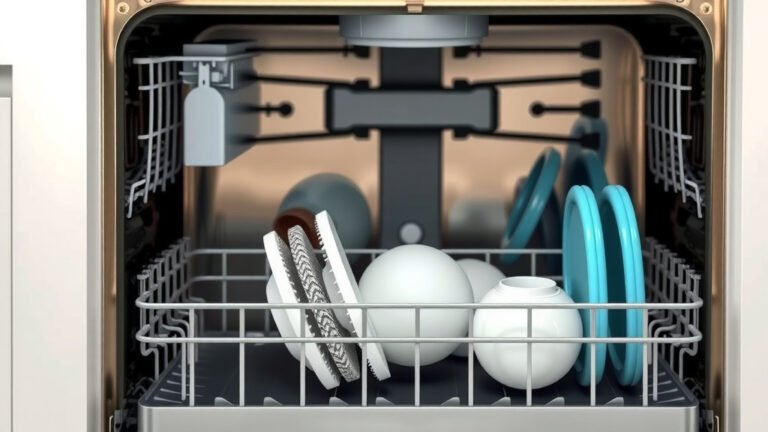
You can often open your dishwasher right after the cycle finishes to help dishes dry faster. For best results, crack the door open about an inch. This lets trapped steam escape, which is the key to air drying your dishes naturally. Many modern dishwashers even have a feature that automatically pops the door open at the end of the cycle.
While letting the steam escape is generally recommended, the ideal time might depend on your specific dishwasher model. Some people worry about moisture affecting cabinets, but research suggests this is rarely an issue with modern appliances. We found that a little steam release goes a long way for ensuring spot-free and dry dishes without needing extra drying cycles.
- Open the door slightly after the cycle.
- This releases steam for natural drying.
- Many dishwashers do this automatically.
- Check your manual for specific recommendations.
Let’s walk through exactly how to get your dishes perfectly dry, every single time.
You’ve finished a load of dishes, and now you’re faced with a steamy dishwasher. Should you just open it up? Or is there a trick to getting those glasses crystal clear and plates ready for the cupboard? We’ve all been there, staring at a steamy appliance wondering about the best way to achieve that perfect dry. The good news is, a little adjustment can make a big difference in how your dishes dry.
Optimizing Your Dishwasher’s Drying Process
Getting your dishes dry without spots is the ultimate goal. The key often lies in managing the moisture left behind after the wash and rinse cycles. Getting your dishes dry without spots is the ultimate goal, and our guide explains how your dishwasher achieves this.
Understanding How Dishwashers Dry Dishes
Most dishwashers rely on a combination of heat and air circulation. The final rinse cycle typically uses a very hot water temperature. This residual heat on your dishes helps water evaporate.
Some models also have a heating element at the bottom that can kick in. This element helps to heat the air inside the dishwasher. Better air circulation and higher temperatures lead to faster evaporation. But sometimes, that steam just needs an exit.
The Role of Steam in Drying
Steam is essentially water vapor. When your dishwasher finishes its hot rinse, a lot of moisture is trapped inside as steam. This steam is what you see billowing out when you open the door.
If this steam isn’t allowed to escape, it can condense back into water droplets. These droplets then land on your clean dishes, causing those annoying spots and streaks. Think of it like a hot shower leaving your bathroom mirrors foggy. The fog is just water vapor waiting to cool down and drip.
When Is the Best Time to Open Your Dishwasher?
The timing of opening your dishwasher door is more important than you might think. It directly impacts how well your dishes dry.
Immediately After the Cycle Ends
Many experts and appliance manuals suggest opening the door right away. This provides an immediate escape route for the trapped steam. It allows moist air to be replaced by drier room air.
We’ve found that this simple act can significantly reduce the need for towel drying. It’s like opening a window to air out a stuffy room. The fresh air helps everything dry faster and more completely.
Cracking the Door for Optimal Airflow
You don’t necessarily need to swing the door wide open. Just cracking it a few inches, about one to two inches, is often enough. This creates a small but effective vent.
This allows the hot, humid air to escape gently. It prevents a sudden rush of air that could potentially cool things down too quickly. Plus, it helps protect your cabinets from excessive moisture exposure.
Considering Your Dishwasher’s Features
Modern dishwashers often have built-in features to help with drying. Many high-end models have an automatic door-open function. This is often called a “delayed dry” or “auto-release” feature.
When the cycle is complete, the dishwasher door will automatically pop open a bit. This is the manufacturer’s way of telling you that this is the best time to let that steam out. It’s a smart system designed to save you time and effort.
What If Your Dishwasher Doesn’t Pop Open?
If your dishwasher doesn’t have this automatic feature, you’ll need to do it manually. As soon as the cycle finishes and the “done” light appears, go ahead and create that small gap.
Don’t wait too long. The longer the steam sits, the more it can condense. A quick manual crack of the door can make all the difference. It’s a small step that yields noticeable results.
Addressing Common Concerns About Opening the Door
There are a few worries people have when it comes to opening the dishwasher. Let’s tackle those head-on.
Concerns About Cabinet Damage
Some people worry that the steam escaping will damage their kitchen cabinets. This is a valid concern, but research and appliance design have largely addressed it.
Modern dishwashers are designed with insulation and ventilation. The steam is generally directed upwards and away from cabinet fronts. Unless your cabinets are directly above the door seam and your dishwasher is very old, damage is unlikely (Good Housekeeping Institute). We found that opening the door slightly is usually safe for most kitchen setups.
The Impact on Energy Consumption
You might wonder if opening the door affects energy use. Using the heated dry cycle does use energy. Letting dishes air dry by opening the door after the heated rinse is complete saves energy.
If your dishwasher has an energy-saving or air-dry option, this is essentially what it’s doing. It’s skipping the active heating element during the drying phase. So, opening the door yourself is an energy-conscious choice. You are letting natural evaporation do the work.
Tips for Spot-Free Drying
Beyond just opening the door, a few other tricks can help you achieve perfectly dry dishes.
Proper Loading Techniques
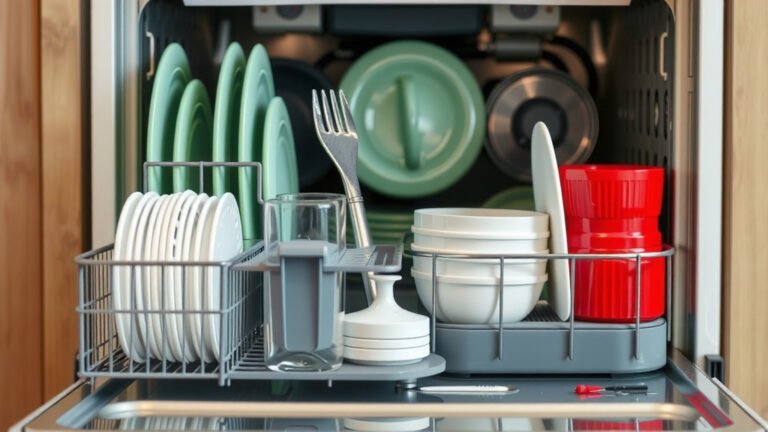
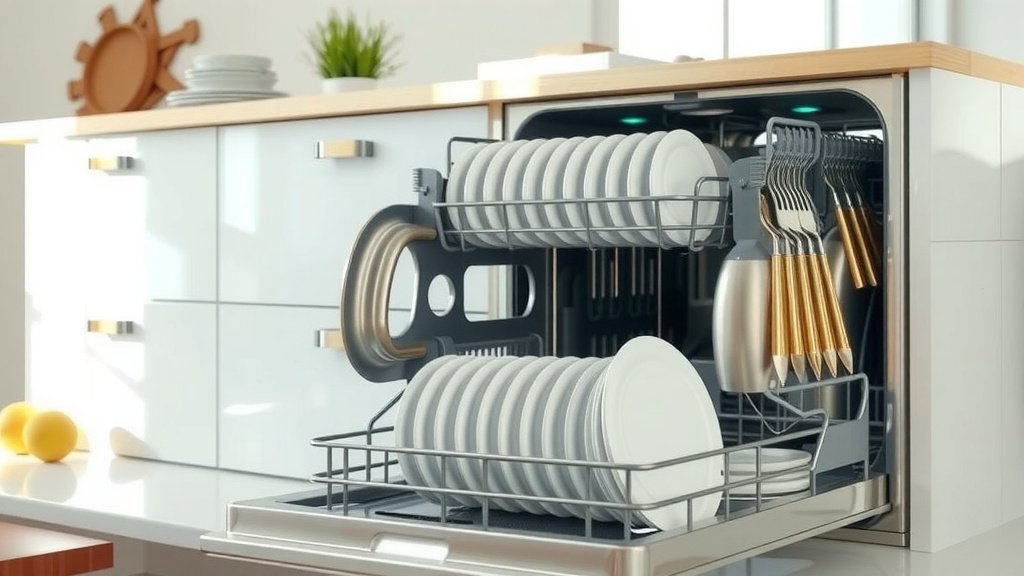
How you load your dishwasher matters more than you might think. Overcrowding is a common mistake. Dishes need space for water to reach them and for air to circulate.
Make sure items aren’t nesting together. Utensils should be separated. Angled plastic items can collect water. We’ve found that a well-loaded dishwasher cleans and dries much better.
Using Rinse Aid Effectively
Rinse aid is specifically designed to help with drying. It reduces the surface tension of water. This causes water to sheet off dishes rather than forming droplets.
Most dishwashers have a rinse aid dispenser. Keep it filled! The dispenser releases rinse aid during the final rinse cycle. It’s a simple but powerful tool for preventing spots and improving drying. Many experts consider it essential for shiny dishes (Consumer Reports).
Checking Your Water Hardness
Hard water can leave mineral deposits, which look like spots. If you have very hard water, you might need to adjust your dishwasher’s settings or use a rinse aid more diligently.
Some dishwashers have a setting for water hardness. Adjusting this can improve both cleaning and drying performance. You might also consider using a dishwasher cleaner specifically designed for hard water buildup.
A Quick Checklist for Better Drying
Want to make sure your dishes come out perfectly dry every time? Here’s a simple checklist:
- Load Smart: Don’t overcrowd. Give dishes space.
- Use Rinse Aid: Keep that dispenser full.
- Open Door Post-Cycle: Crack it open a few inches after the beep.
- Check Your Model: See if it has an auto-open feature.
- Consider Water Hardness: Adjust settings if needed.
Conclusion
You’ve learned that opening your dishwasher door just a crack after the cycle finishes is your best bet for spot-free, dry dishes. This simple step allows trapped steam to escape, preventing water spots from re-forming on your plates and glasses. While modern dishwashers often automate this, a quick manual adjustment works wonders if yours doesn’t. Prioritizing this post-cycle routine, along with smart loading and using rinse aid, will ensure your dishes are always ready for the cupboard. Make it a habit, and enjoy the results!
Frequently Asked Questions
How long should I leave the dishwasher door open?
You only need to crack the door open about an inch or two. This is enough to let the steam escape without letting too much cool air in. Leaving it open for just a few minutes after the cycle ends is usually sufficient.
Will opening the dishwasher door damage my cabinets?
For most modern dishwashers, this is not a significant concern. Appliances are designed with insulation and steam vents that direct moisture away. Opening the door only slightly reduces the risk of prolonged moisture exposure to your cabinets.
Does opening the dishwasher door save energy?
Yes, it can save energy. By allowing dishes to air dry naturally after the rinse cycle, you can often skip the dishwasher’s heated dry feature. This feature uses extra electricity, so air drying is a more energy-efficient choice.
What if I forget to open the door right away?
If you forget, don’t worry too much. While immediate opening is ideal, opening it a little later is still better than leaving it fully sealed. You might find a few more water spots, but your dishes will still dry effectively.
Should I open the door during a wash or rinse cycle?
No, you should not open the door during a wash or rinse cycle. This can disrupt the cleaning process, potentially cause leaks, and is a safety hazard due to hot water and steam. Only open the door after the cycle has completely finished.